Hormuz tanker traffic jumps, but shipping stays below prewar
Hormuz tanker traffic jumped to 20 vessels on Thursday, but toll uncertainty, naval clearance work and low ship counts still cloud a full reset.
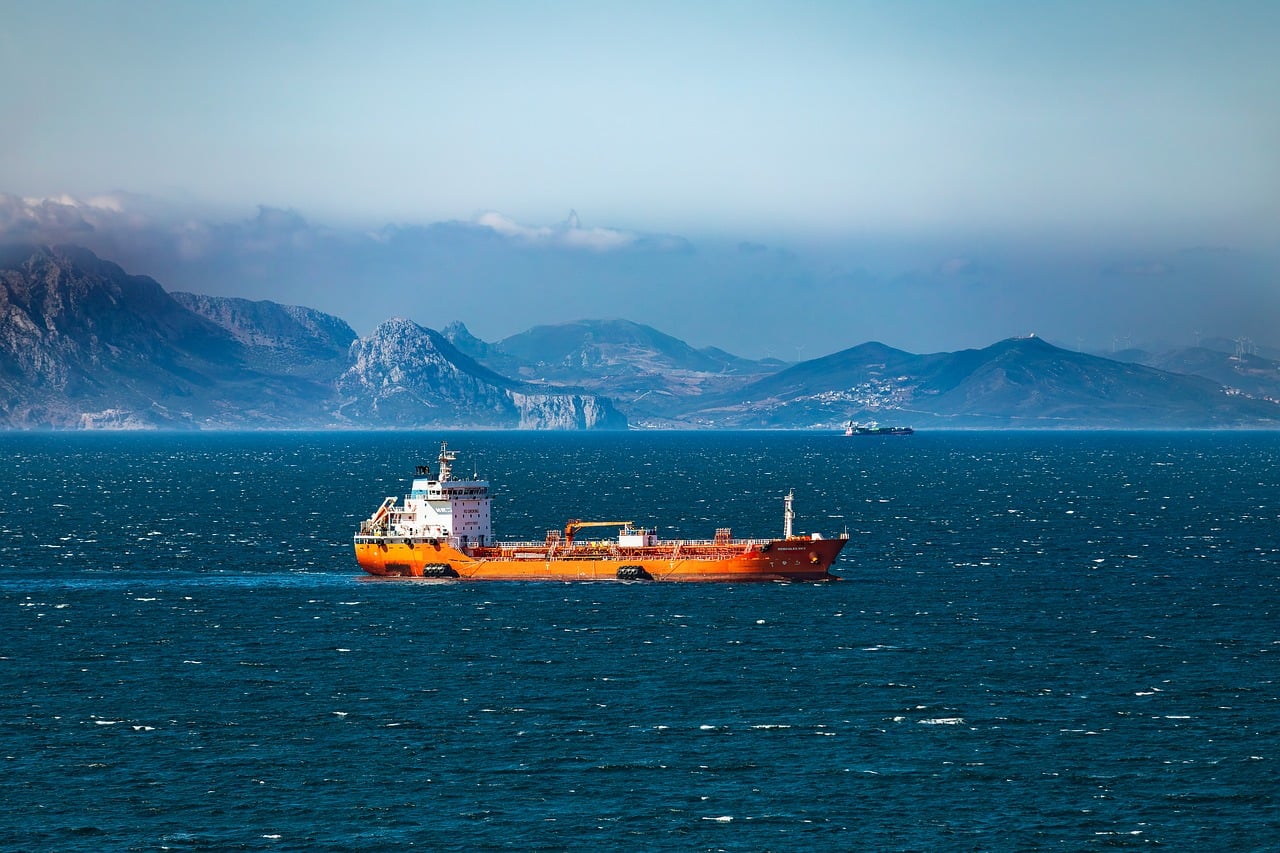
Tanker traffic through the Strait of Hormuz picked up after the United States and Iran put their sea-lane agreement into effect, with 20 tankers transiting the Strait of Hormuz on Thursday, the highest count since June 2. Total traffic reached 25 ships. That is a recovery, but not a reset: the waterway was handling roughly 100 ships a day before the war, so oil markets are still looking at a route well short of normal volumes.
The gap matters for traders. The agreement has reopened the passage on paper, while the operating picture is still being worked out. Shipowners are waiting for clearer transit terms, routing guidance and security assurances, according to Reuters’ reporting on the latest crossings and earlier CNBC reporting on the 60-day toll-free period in the deal. In crude, the first supply shock has eased more quickly than the shipping risk premium.
Thursday’s figures match the staged reopening CNBC described when the accord was announced. The strait reopened first under a toll-free window, with longer-term administration left for later talks. That order allows traffic to rise before owners are ready to treat the passage as routine.
Kpler commodity research director Matt Smith said Thursday’s movement stood out for its size and for the fact that vessels were moving both ways.
Traffic was broadly balanced, with 13 crossings moving West to East and 12 moving East to West.
— Matt Smith, Kpler
Two-way flows make the route look like a working corridor again, not just an exit lane for a few delayed cargoes. Still, a daily tanker count of 20 is thin against prewar conditions. Thursday looked like an early test of normalization, not proof that Hormuz is back to ordinary business.
The broader ship count tells the same story. CNBC said 25 ships of all types crossed on Thursday, far below the prewar baseline. As the Wall Street Journal argued in its analysis of the reopening, the test is how quickly regular schedules, owner confidence and commercial routines can return across the chokepoint, not simply whether some vessels can pass.
Reuters reported that the U.S. navy-led Joint Maritime Information Center was still warning mariners about mines and an ongoing naval presence after the lane reopened.
Mariners should be advised of the existence of mines and expect naval presence as clearance operations continue.
— U.S. navy-led Joint Maritime Information Center
For charterers and owners, that warning keeps the distinction between open and normal in view. Ships can move. Operators still have to decide whether the risk, insurance and scheduling assumptions work at scale.
Why the market is not calling it normal yet
Commercial rules remain unfinished. Under the 60-day toll-free window outlined when the deal was announced, Washington and Tehran reopened the strait first and postponed talks over its longer-term administration. That can bring vessels back near term, but it leaves the market without a settled answer on standard transit costs or predictable access after the grace period ends.
Reuters said questions were growing around Iran’s transit terms after the grace period. Even without a formal new restriction, uncertainty over fees and procedures can keep operators cautious, especially while official security guidance still refers to mines and naval clearance work.
Industry groups are saying much the same. In CNBC’s earlier coverage of the downgraded threat level, BIMCO chief safety and security officer Jakob Larsen said shipowners still lacked the detail needed to treat the situation as stable.
Due to lack of details and a history of overly optimistic reassurances, we believe the security situation for the shipping industry remains volatile.
— Jakob Larsen, BIMCO
Thursday’s numbers support that caution. Hormuz traffic is recovering, and conditions are better than they were at the height of the disruption. Until daily crossings move closer to prewar volumes and shipowners get firmer guidance on tolls, routing and mine-clearance conditions, oil traders are likely to treat the strait as recovering rather than normalized.
Reza Najjar
Commodities desk covering oil, natural gas, gold and base metals. Reports from London.