Oil prices rise 1.3% after tanker hit revives Hormuz risk
Oil prices rose after a tanker strike and fresh U.S.-Iran attacks pushed WTI above $70, putting Hormuz shipping risk back into crude trading.
Oil prices rose 1.27 per cent in late electronic trade on Sunday, leaving WTI August crude at $70.11 after a tanker was struck in the Strait of Hormuz and new U.S.-Iran attacks put the supply-risk trade back on screens.
The gain was modest. The shift in tone was not. After the earlier ceasefire, traders had started to price a partial reopening of the chokepoint. The latest hit, and the renewed exchange of fire reported by Reuters, pulled crude back toward a risk premium tied to the waterway that carries a large share of Gulf exports. Earlier in the week, Reuters reported that prices had eased as tankers exited the strait. Sunday’s reversal matters because traders were beginning to test a calmer base case, and that case has been interrupted.
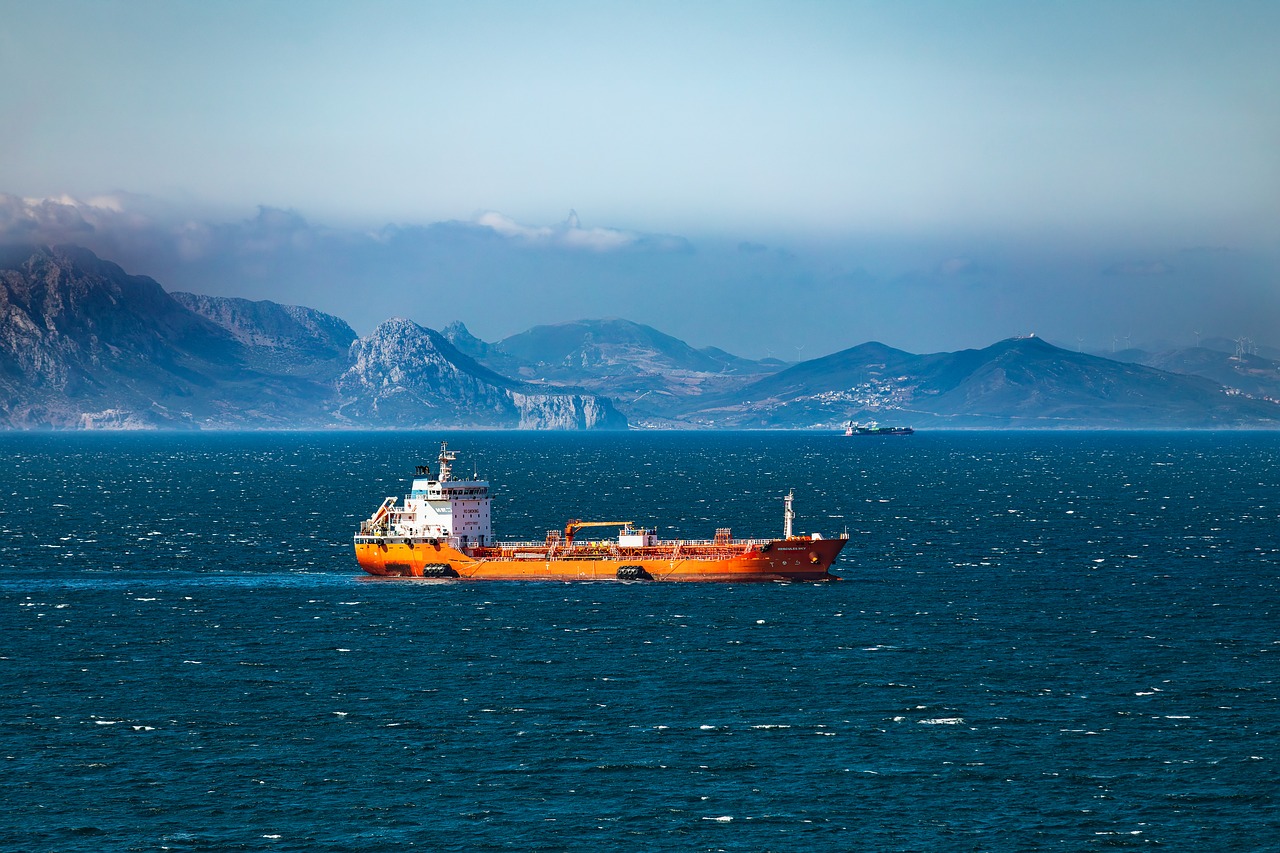
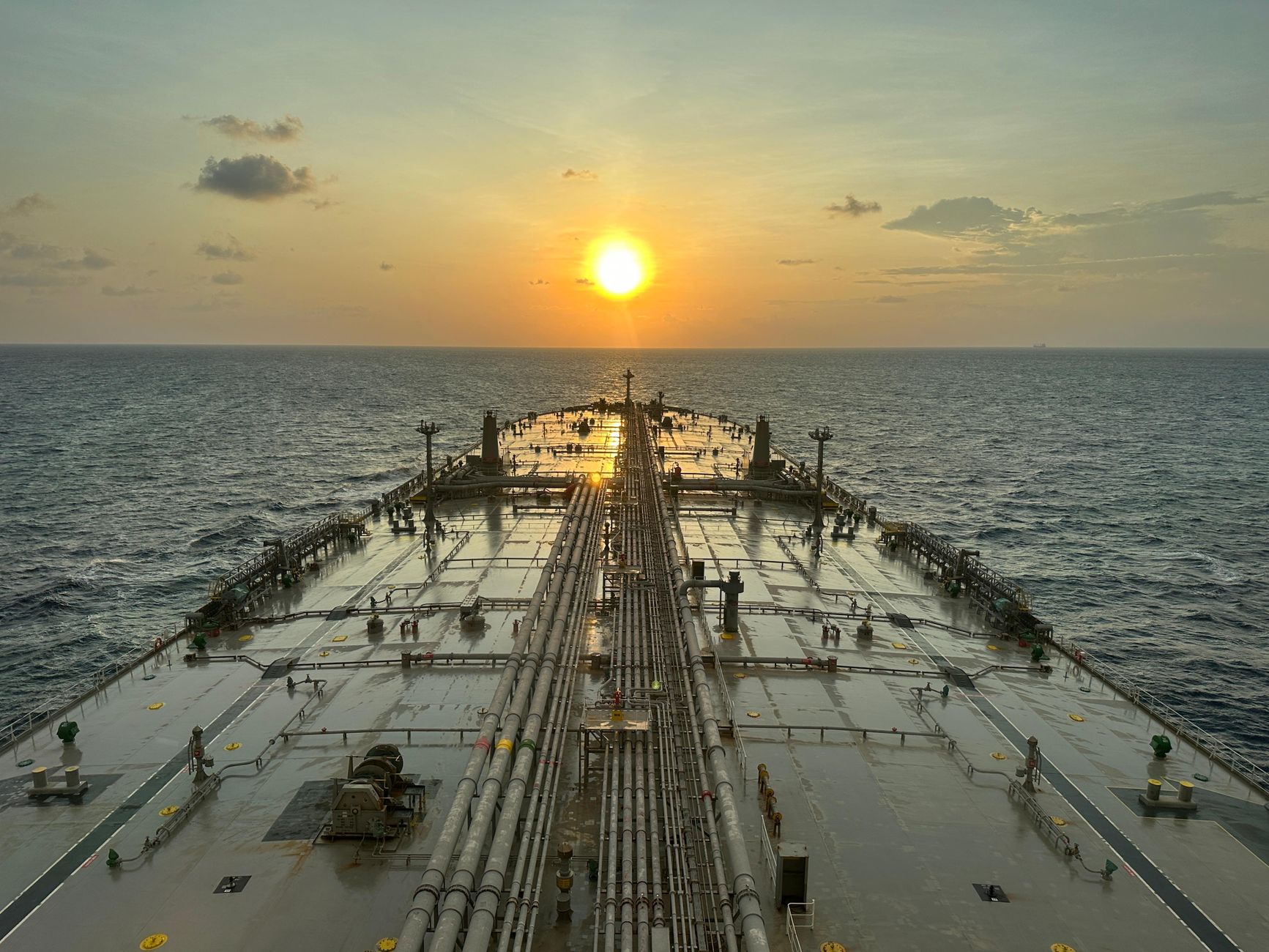
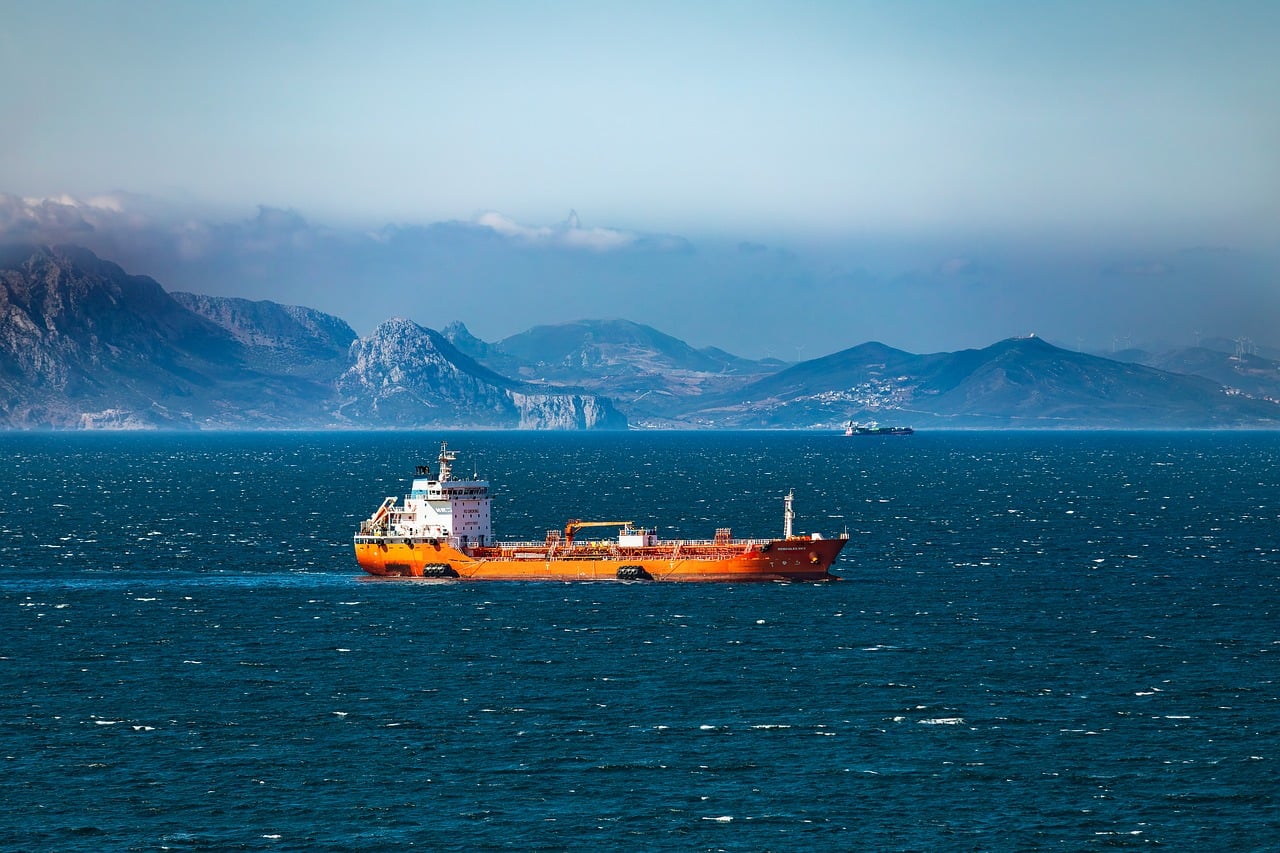
According to Axios reporting, the M/T Kiku was carrying more than two million barrels of Qatari crude when it was hit. Reuters said the vessel suffered bridge damage, while maritime security warnings rose as Washington and Tehran traded another round of attacks. That moves the story beyond diplomatic language. A tanker hit inside Hormuz is a physical reminder that the route can still turn from transit lane to shock channel in one session.
Ship movements had been giving the market a different signal. Reuters reported that tanker transits through Hormuz rose to 13 on Friday after 24 on Thursday and 27 on Wednesday, even as overall sailings on June 24 were only 62, or 53 per cent of the level seen on the same day a year earlier. The pattern suggested owners were still moving cargo, carefully, and that traders could begin to price some normalization rather than outright disruption. It also showed how little slack the route had before the latest flare-up: traffic was recovering from the immediate shock, yet still far below normal.
That is the part traders are still testing.
If more ships clear the strait without incident, the latest move can fade as quickly as it arrived. If owners slow departures, insurers reprice war-risk cover or naval escorts become harder to secure, the market will read the tanker hit as the start of a more durable disruption. Weekend timing matters too. The escalation unfolded while cash markets were shut, giving crude futures time to absorb headlines before shipping data and physical differentials catch up. That raises the risk of a wider adjustment when refiners, charterers and equity investors return in force on Monday. In MarketWatch’s analysis, oil was the clearest pressure valve, with the crude move sharper than the reaction in stock futures.
What traders will watch
The next proof point is not another threat from either capital. It is whether cargo flows hold. Passage counts, vessel routing and shipowners’ willingness to keep sending tankers through the strait will give the cleanest near-term read. Reuters said Iran had also warned ships away from its waters during the flare-up, a signal that operational risk is back in the pricing mix. The market needs to see whether that warning changes behavior.
“Iran signed a ceasefire agreement. We have honored it.”
— JD Vance, Reuters
Vance’s statement shows how narrow the market’s margin for error has become. President Donald Trump, in Axios’s report, threatened to “complete the job” if Iran escalated again. For oil traders, the question is which side can keep the truce from spilling into loading schedules, delayed cargoes or a larger fleet waiting outside the choke point. Political statements can move prices for an hour. Shipping disruption can move them for longer.
For now, crude is trading on verification rather than diplomacy. Sunday’s rise back above $70 in WTI August crude shows the market has stopped treating Hormuz as a problem already on the mend. The next 24 hours will show whether the premium stays in the barrel or drains away with the next clean set of tanker passages, and whether shipping stress starts to bleed into broader inflation expectations and refinery buying decisions. That matters first for Asian importers, but it can reach wider inflation gauges quickly if the chokepoint premium sticks.
Reza Najjar
Commodities desk covering oil, natural gas, gold and base metals. Reports from London.