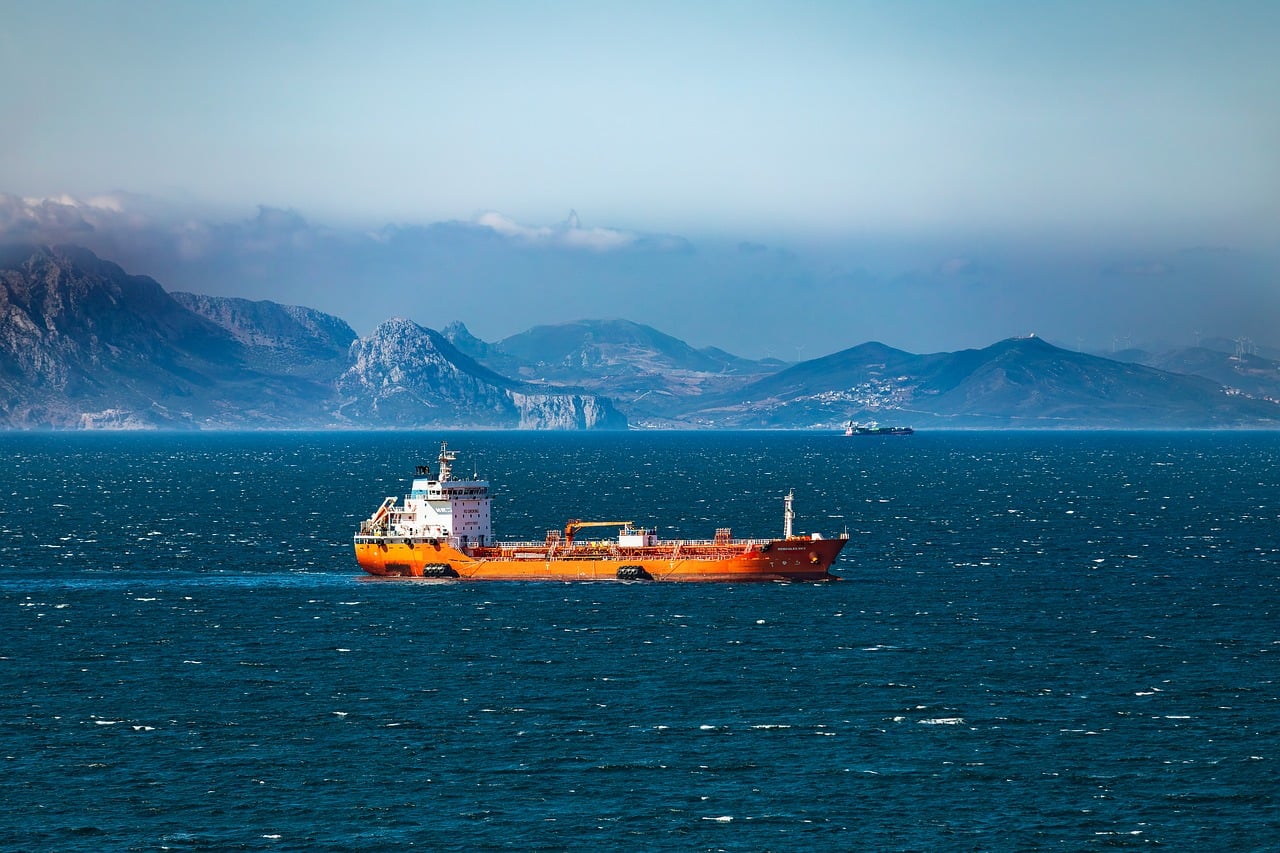
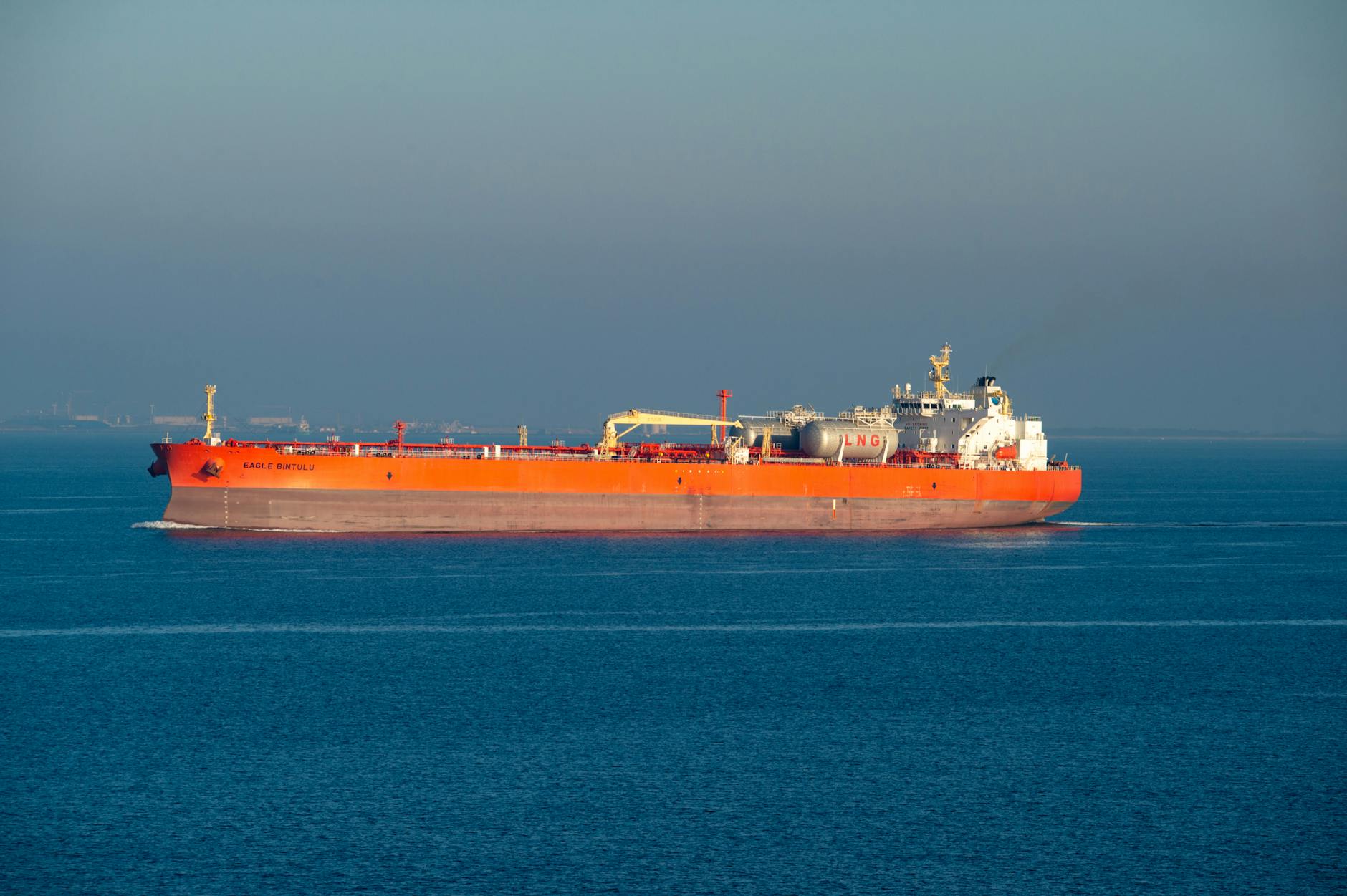
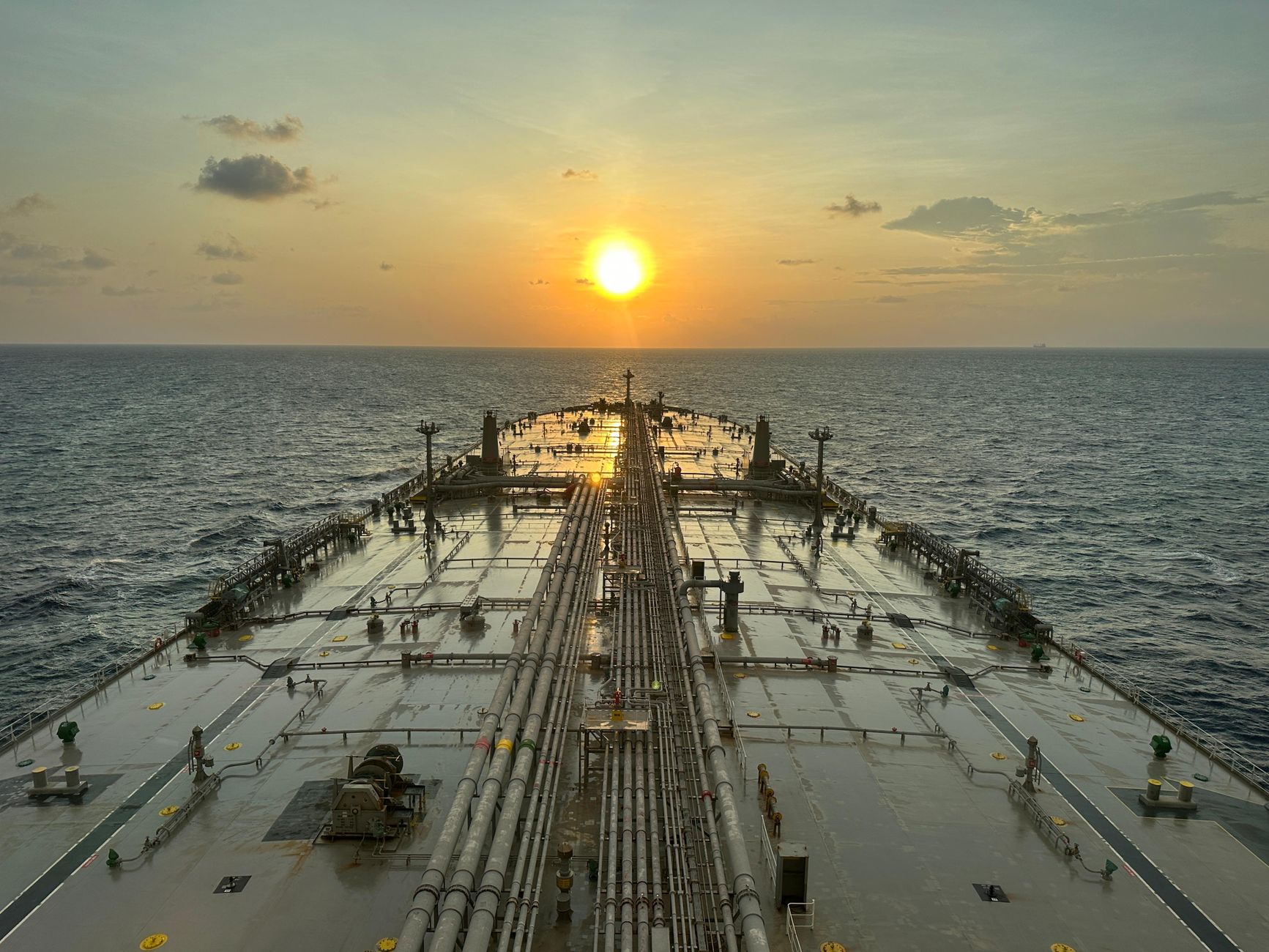
U.S.-Iran talks on Hormuz resume after halt in strikes
U.S.-Iran talks on Hormuz are set for Tuesday after both sides agreed to halt strikes again, but traders still need a calmer shipping lane.
The U.S. and Iran agreed Sunday to stop strikes and meet in Qatar this week, days after a tanker was hit in the Strait of Hormuz. For crude traders, the diplomatic headline now reduces to a narrower question: whether the pause removes part of oil’s risk premium, or simply stops the next move higher for a few days.
Axios said the meeting is planned for Tuesday in Qatar’s capital, citing senior U.S. officials who said the two governments had agreed to stop attacking each other. The agreement followed violence that had strained an 11-day ceasefire. Markets are weighing two things at once: the return to talks and whether shipping assumptions around Hormuz can change after another round of attacks.
“We decided to stop all the kinetic activity.”
Senior U.S. official quoted by Axios
Timing is the problem. Reuters said the latest pause comes only two weeks after an interim peace deal meant to end a four-month conflict. Since then, Reuters reported, a tanker was struck in Hormuz and Iran said it hit U.S.-linked targets in Bahrain. That sequence leaves traders with a ceasefire label and a security tape that have not quite matched.
For oil and shipping desks, proof matters more than the communique. The Strait of Hormuz is still the route Gulf producers use to move crude, and a second U.S. official told Axios the aim was that “vessels can move freely”. Traders now have two checks that cannot be finessed: no new attacks, and a Tuesday meeting that actually takes place.
Each passage through Hormuz carries market weight. A quiet day can cool prices. A damaged vessel can put the premium back. Sunday’s agreement is therefore a short test of visible restraint on the water, not a settlement.
What traders can verify
The Qatar session would follow a June 21 meeting in Switzerland involving the United States, Iran, Pakistan and Qatar, Axios said. If those contacts hold, crude markets have a stronger case for treating the halt in strikes as more than tactical de-escalation. If the talks slip or another vessel is hit, the same announcement starts to look like another short-lived reset.
No U.S. official presented the pause as final. One official described the halt in strikes as lasting only “for now”. Reuters called the latest flare-up the worst escalation since the earlier peace deal, keeping the corridor in the category of monitored risk rather than resolved risk.
Qatar gives both sides a venue quickly, which matters after the latest exchanges of fire. It does not answer the harder enforcement question. The Switzerland meeting on June 21 showed that talks can happen without locking in calm, so Sunday’s announcement is best read as a tradable sign of restraint rather than a clean all-clear for Hormuz.
Crude markets will read the next signal in practical terms. A meeting in Doha, steady vessel traffic and no fresh strike reports would point to lower immediate risk around the waterway. Without that evidence, Sunday’s agreement is likely to cap panic rather than remove the Hormuz premium from prices.
Reza Najjar
Commodities desk covering oil, natural gas, gold and base metals. Reports from London.