Hormuz tolls keep oil risk alive as U.S.-Iran talks advance
Qatar-backed diplomacy reduced the odds of renewed fighting, but unresolved Hormuz tolls and uranium terms kept oil and shipping risk alive.
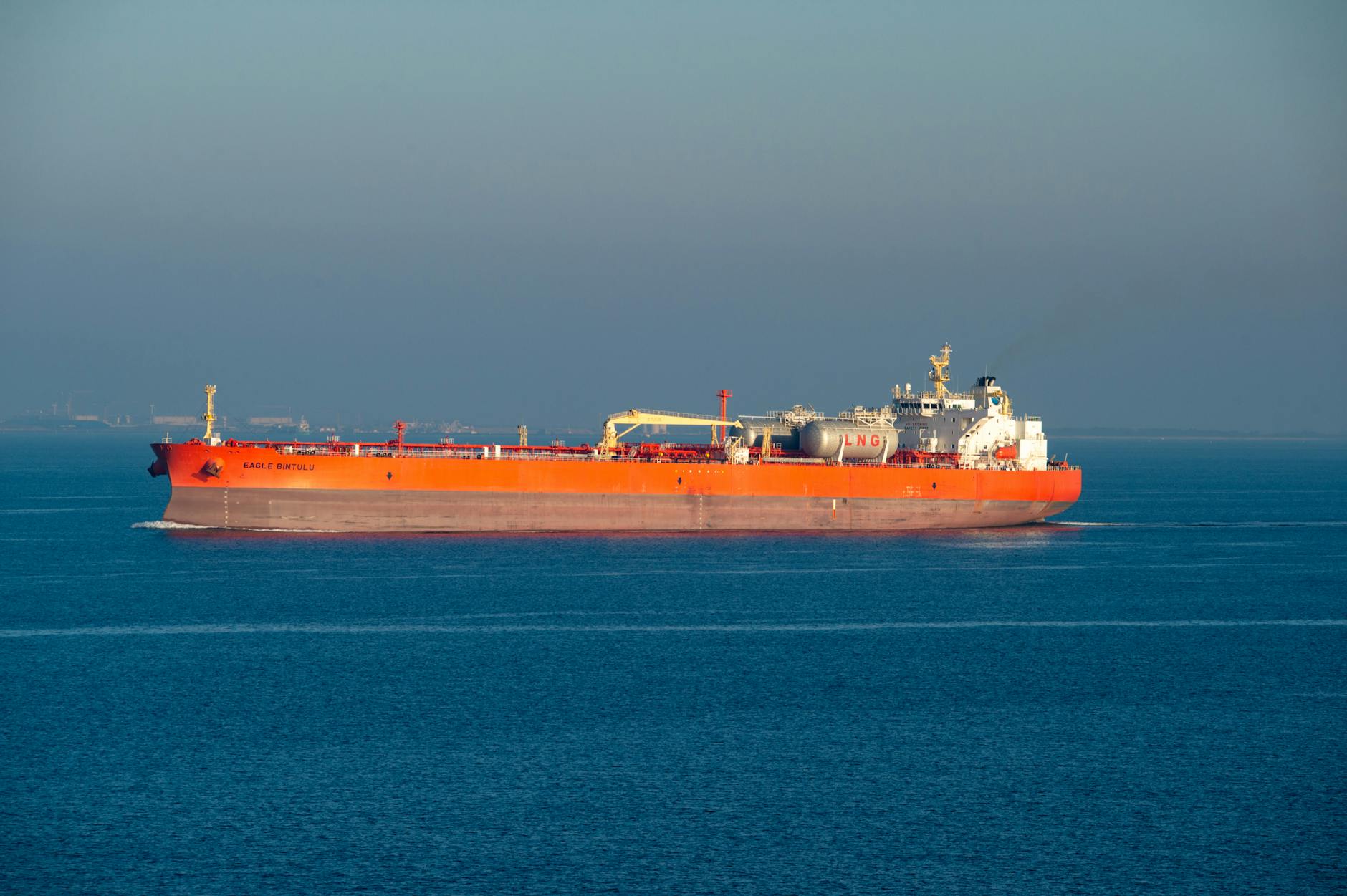
Qatar sent negotiators back to Tehran on Friday to help secure a U.S.-Iran deal, but the dispute over Strait of Hormuz tolls kept oil markets from treating the diplomacy as a clean all-clear. Reuters reported that the renewed mediation reduced the risk of an immediate return to fighting. What it did not settle was the issue that matters for crude and shipping: the conditions under which tankers would move through the Gulf.
Ceasefire headlines fade faster than disputes over transit rules. Traders still have to price the gap over uranium enrichment, the handling of enriched stockpiles and the prospect that Iran could try to charge ships using Hormuz. Reuters reported that U.S. Secretary of State Marco Rubio saw progress in the talks. CNBC reported that Washington and Tehran remain apart on enrichment and on any tolling regime for the strait.
Doha is not mediating from the sidelines. It also has a direct commercial reason to push for normal passage after a disruption that Reuters said wiped out 17 per cent of Qatar’s liquefied natural gas export capacity earlier this week. A ceasefire without workable shipping rules would still leave exporters, shipowners and buyers exposed.
Rubio put the shipping issue plainly in comments to CNBC. He said a post-war arrangement could not include charges for passage through Hormuz.
“No one in the world is in favor of a tolling system. It can’t happen [and] it would be unacceptable.”
— Marco Rubio, CNBC
The market concern is easy to see. Roughly 20 per cent of global oil and liquefied natural gas moves through the Strait of Hormuz. An open waterway on disputed commercial conditions is not the same as a return to prewar traffic. It lowers the odds of an immediate supply shock, but it still leaves room for extra fees, delays or another confrontation around a cargo moving through the choke point.
Why the premium remains
The timeline is part of the risk. The Guardian described any memorandum of understanding on the strait as only the start of another 30 days of technical bargaining. That is longer than the life of a peace headline in oil markets. Even if a framework calms prices for a session or two, it leaves open who monitors cargoes, how enrichment-related concessions are verified and what shipping operators would pay while those terms were argued over.
The uranium dispute also keeps the wider package fragile. The sides could narrow the gap on passage and still fail to agree on stockpiles or enrichment rights. That possibility gives buyers and shipping firms reason to hold a cushion in prices and freight assumptions. The odds of a restart in full-scale war may be lower than they were days ago. Ordinary Gulf transit still has not been proved.
For oil and freight markets, that is the next test. Rubio said there had been progress, but investors still need evidence that mediators can turn it into enforceable passage rules and a broader uranium compromise. Until then, diplomacy and market pricing will keep pulling against each other over the same question: whether the Gulf’s key energy corridor is reopening on normal commercial terms, or on terms fragile enough to keep risk alive.
Reza Najjar
Commodities desk covering oil, natural gas, gold and base metals. Reports from London.