Iran deal could reopen Hormuz and ease oil pressure
Trump's claim that an Iran deal would reopen the Strait of Hormuz gives oil traders a clearer test of whether sanctions relief and tanker access can pull the war premium out of crude.
Trump said on Saturday that a deal with Iran was largely negotiated and would reopen the Strait of Hormuz, a claim that gave oil traders their clearest signal yet that the crude war premium could start to come out.
For the market, the issue is flows. Reuters and The New York Times described an emerging framework around the waterway, while Axios reported that sanctions relief under discussion would allow room for Iranian oil sales. If that package holds, traders are not just weighing ceasefire language. They are weighing barrels, tanker traffic and whether freight risk should still sit this high in crude prices.
Trump wrote in comments carried by Reuters:
“Final aspects and details of the Deal are currently being discussed, and will be announced shortly,”
Donald Trump, via Reuters
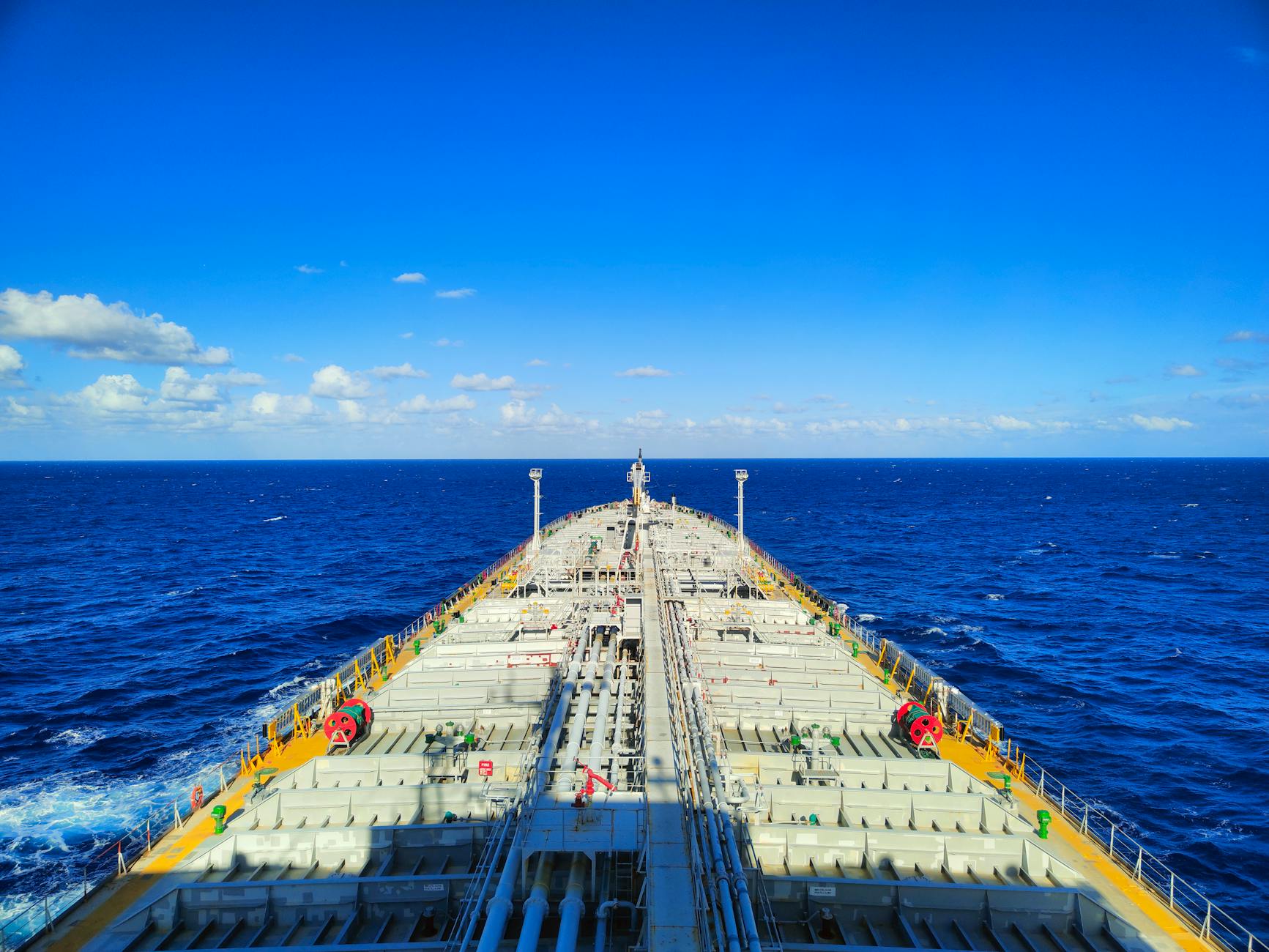
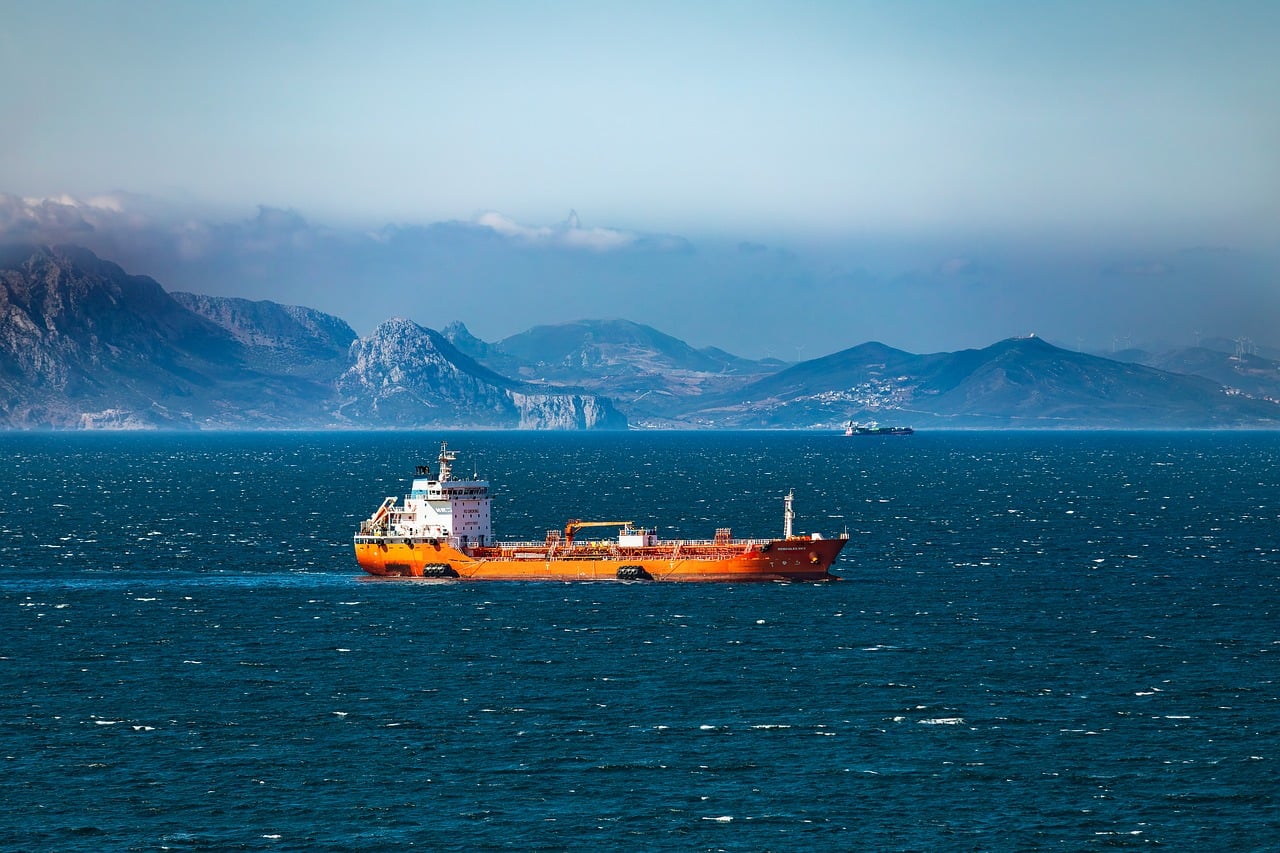
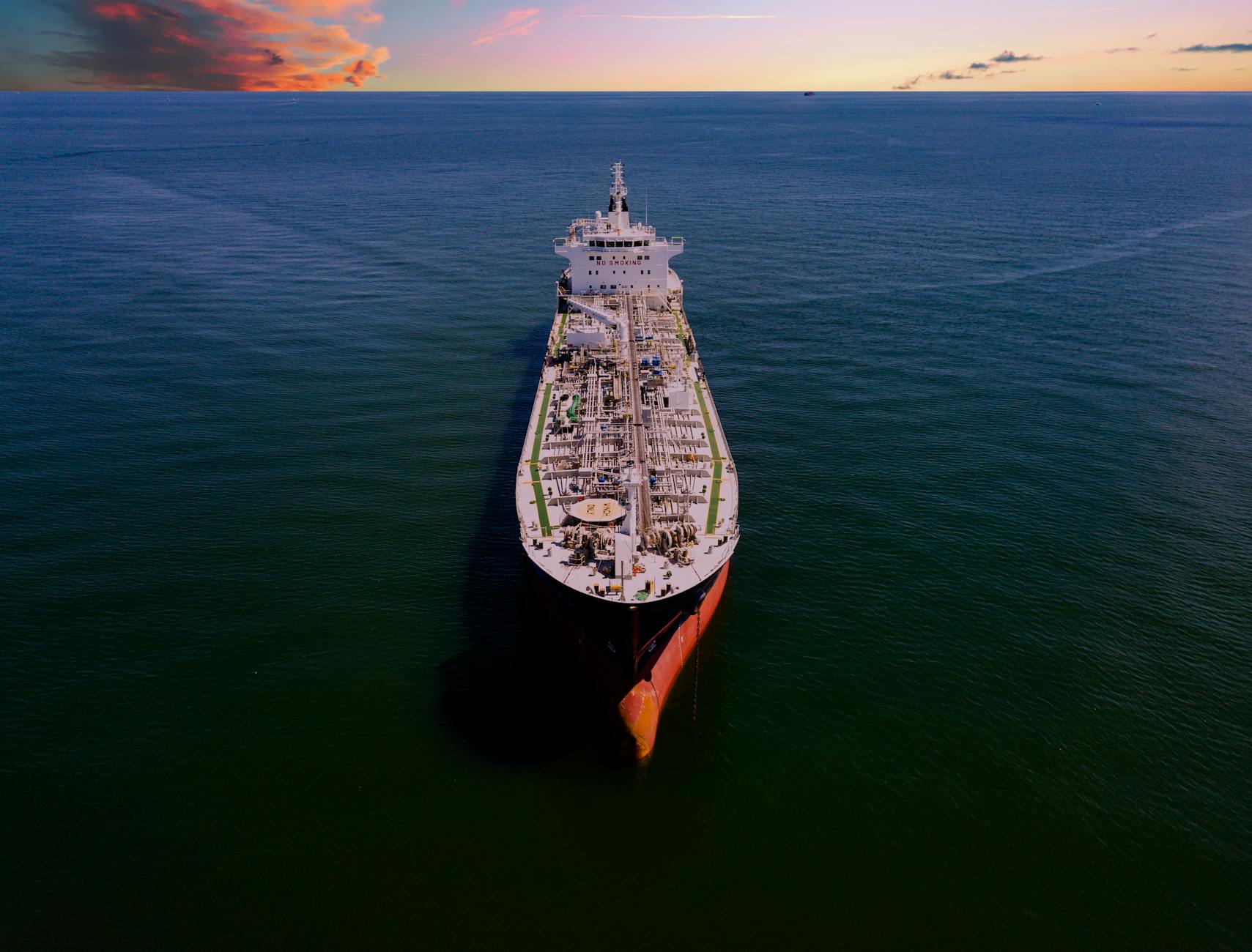
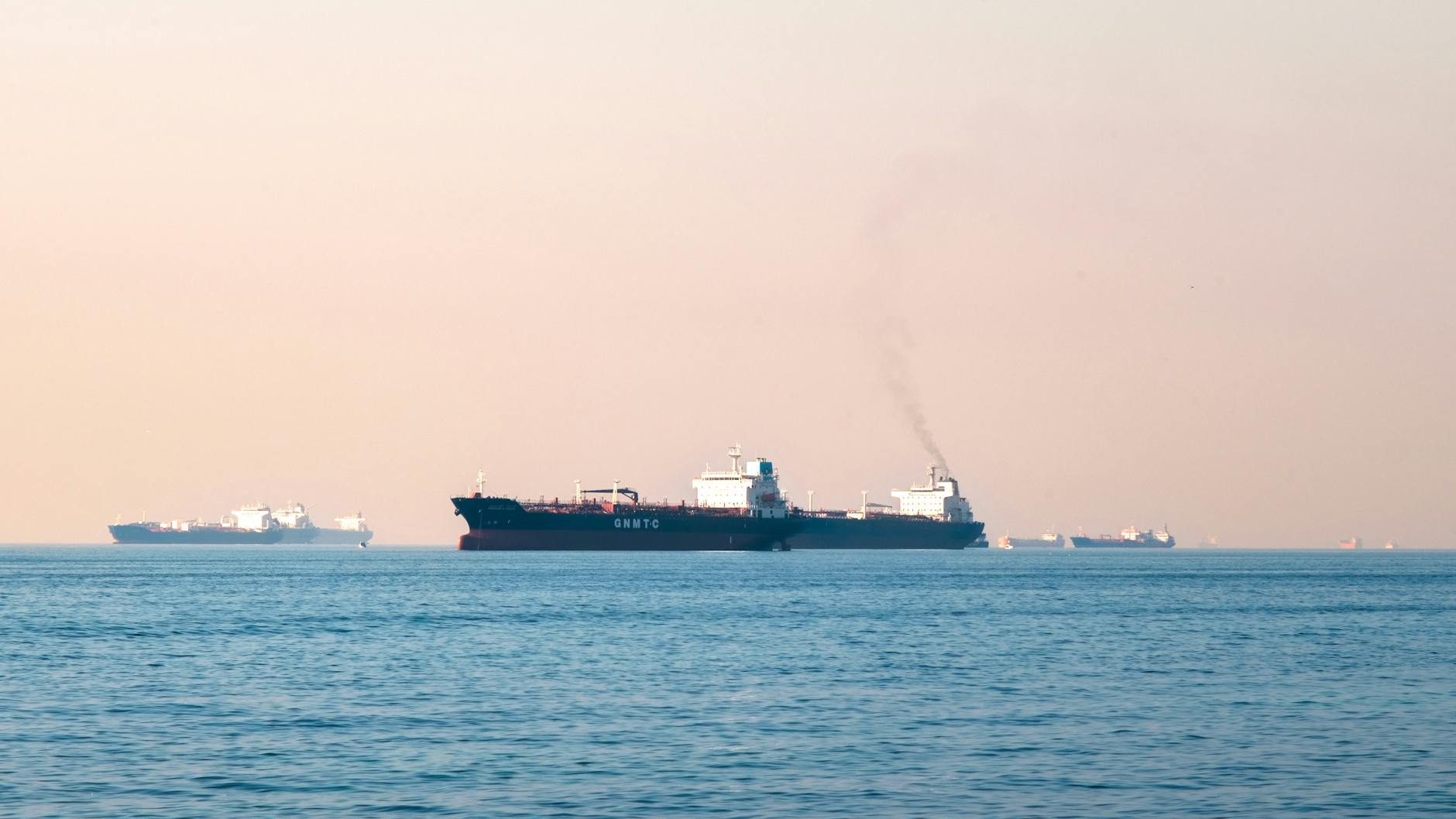
Hormuz is the part of the story oil desks care about most. The strait has been the central shipping risk through the latest fighting. Reopening it would ease the immediate threat to tanker traffic and chip away at the insurance premium built into nearby contracts. But Trump was describing a deal that was still being finished, and Tehran’s public line was more restrained.
Reuters reported that Esmail Baghaei, the Iranian foreign ministry spokesperson, said disputes had narrowed but not disappeared. The New York Times reported that Iranian officials described the plan as a proposal that could reopen the strait, not a completed settlement. That mismatch matters. One White House statement is not enough to tell traders the risk has cleared.
What the framework changes
The most price-sensitive detail came from Axios’s account of the draft terms, which said the package would extend the ceasefire by 60 days and permit Iranian oil sales through sanctions waivers. That moves the story beyond diplomacy. A ceasefire alone can shave some fear premium. Pair it with open shipping lanes and looser oil sanctions, and the link to supply becomes much more direct.
It also explains why this headline lands differently from the earlier reports of progress. Markets can live with vague optimism. They reprice when the terms get specific: whether ships can pass through Hormuz without another interruption, whether buyers can actually take Iranian barrels and whether mediators can turn the outline into terms both capitals will publicly back. Until then, any move lower in oil still rests on execution risk.
“the trend this week has been towards a reduction in disputes, but there are still issues that need to be discussed through mediators”
Esmail Baghaei, via Reuters
The quote sounded more like a caution flag than a closing statement. Reuters also said one of the remaining disputes concerned the mechanics of reopening Hormuz. That matters because the market effect depends on implementation, not rhetoric. Even if the political outline is close, traders still need evidence that the shipping lane can operate without another reversal.
Why oil traders still need proof
That same caution runs through remarks from Iranian negotiator Mohammad Baqer Qalibaf, who warned, via Reuters, that sanctions could become “more forceful and bitter” if the process breaks down. That is leverage language, not the language of a side telling the market the premium has vanished. Traders are likely to separate a signed text, a published timetable and actual changes in tanker behaviour.
Trump’s statement raises the odds of lower crude if the framework becomes official and Hormuz reopens on workable terms. But oil has already swung on war headlines, ceasefire extensions and mixed signals from both sides. Until the terms are published and the reopening can be verified, the market is still pricing a move from military risk to diplomatic execution. That is a meaningful shift. It is not a finished one.
Reza Najjar
Commodities desk covering oil, natural gas, gold and base metals. Reports from London.