Oil inventories thin out, raising Hormuz shock risk
Oil inventories are thin enough that another Hormuz setback could hit fuel prices, inflation and risk assets harder than futures imply.
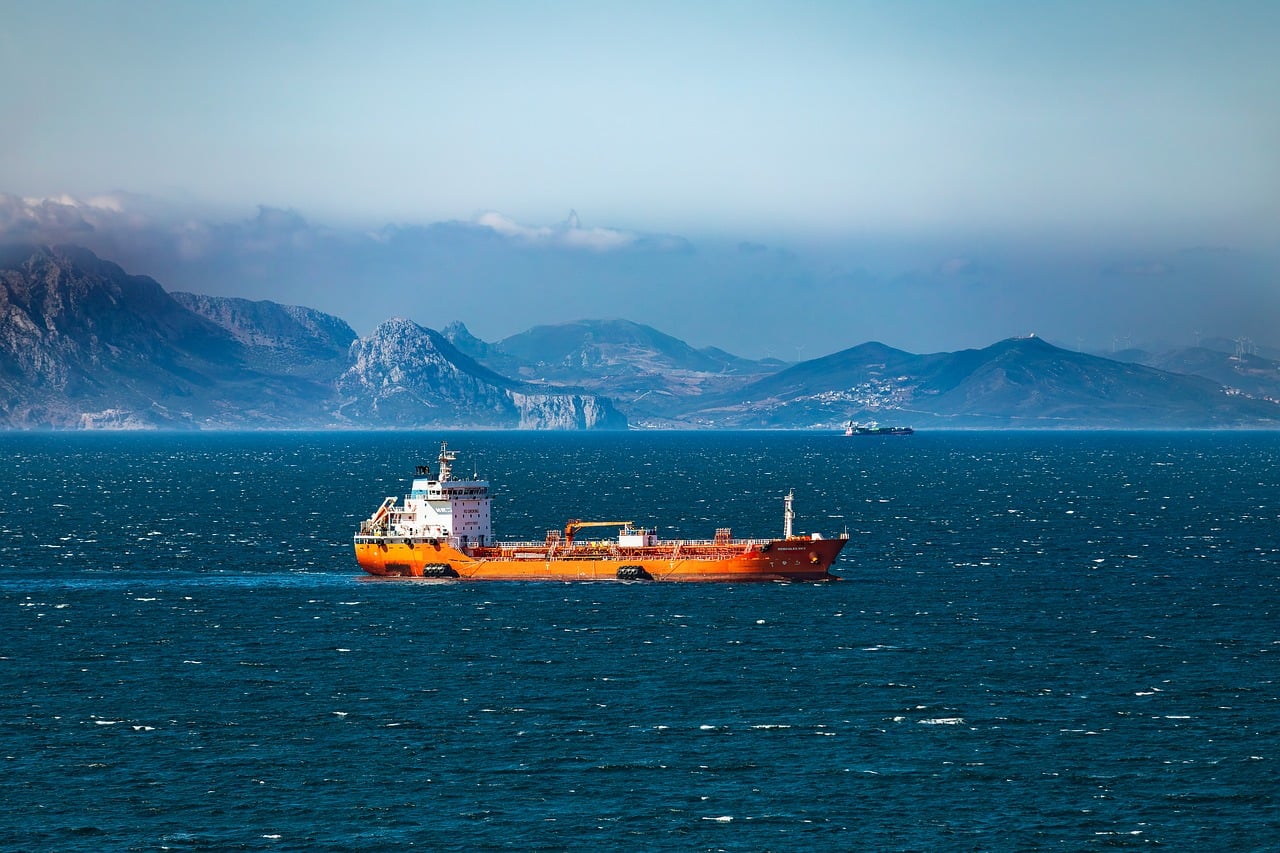
Global oil inventories have dropped to levels that turn any fresh Strait of Hormuz disruption into a bigger price risk, with U.S. crude stocks including the Strategic Petroleum Reserve at 791 million barrels as of May 29, Reuters reported. That is the more important signal than the latest one-day move in Brent or West Texas Intermediate. The market has already spent part of its shock absorber.
The near-term oil trade still looks deceptively orderly. Prices jump on tanker headlines, fade on ceasefire speculation, then settle into another range while traders wait for the next transit update. Underneath that screen-level calm, the physical market is moving from inconvenience toward scarcity math: U.S. crude inventories are down 64 million barrels since the start of the war, while emergency releases have become a standing part of the balance sheet.
Daan Struyven, Goldman Sachs’ co-head of global commodities research, framed the counterpoint from the product side. If diesel inventories reach critical levels by August, he said in a Bloomberg interview, the global economy may have to discover in real time how much demand must be destroyed to clear the market. Crude is the headline. Diesel is where the stress can travel into freight, construction, farm costs and margins.
That is why the next oil spike would not look like the first one. The first shock was geopolitical, a repricing of what might happen if Hormuz traffic narrowed. The second would be mechanical. It would arrive after storage tanks, tankers and government reserves have already absorbed weeks of disruption.
“We’re approaching unheard of inventory levels… two weeks or three weeks. But once you get to that point, you’ll see prices shoot up,”
Neil Chapman, Exxon Mobil senior vice president, to Reuters
The buffer is the trade
Inventory is usually the dull part of an oil story. It becomes the story when the market stops debating direction and starts asking whether there are enough spare barrels in the right places. The U.S. has been filling that role for the world. According to the Financial Times, Washington authorized a 172 million barrel drawdown from the SPR to restrain prices as the Iran war tightened supply routes.

So far, that has worked. It has also converted the reserve from an abstract insurance policy into a live input in the price. Once traders begin to doubt how much more can be released, every weekly inventory print carries more information than a diplomatic statement. A low stock number no longer says only that demand was strong or imports were delayed. It says the system has fewer chances left.
The International Energy Agency’s oil markets desk has been watching the same narrowing cushion. Reuters cited an IEA-coordinated global reserve release of 400 million barrels, a figure large enough to calm the first phase of the crisis but not large enough to make the storage problem disappear. Toril Bosoni, who heads the IEA’s oil industry and markets division, represents the policy dilemma: stock draws can bridge a market through peak demand, but only if the bridge is shorter than the drawdown.
That distinction matters for inflation. A one-week jump in crude can be absorbed by refiners, airlines and hedged industrial buyers. A two-month squeeze, especially in products, is passed along. Pump prices show up in household psychology faster than most other prices, and diesel moves through goods before consumers see the invoice.
Hormuz risk is now a duration call
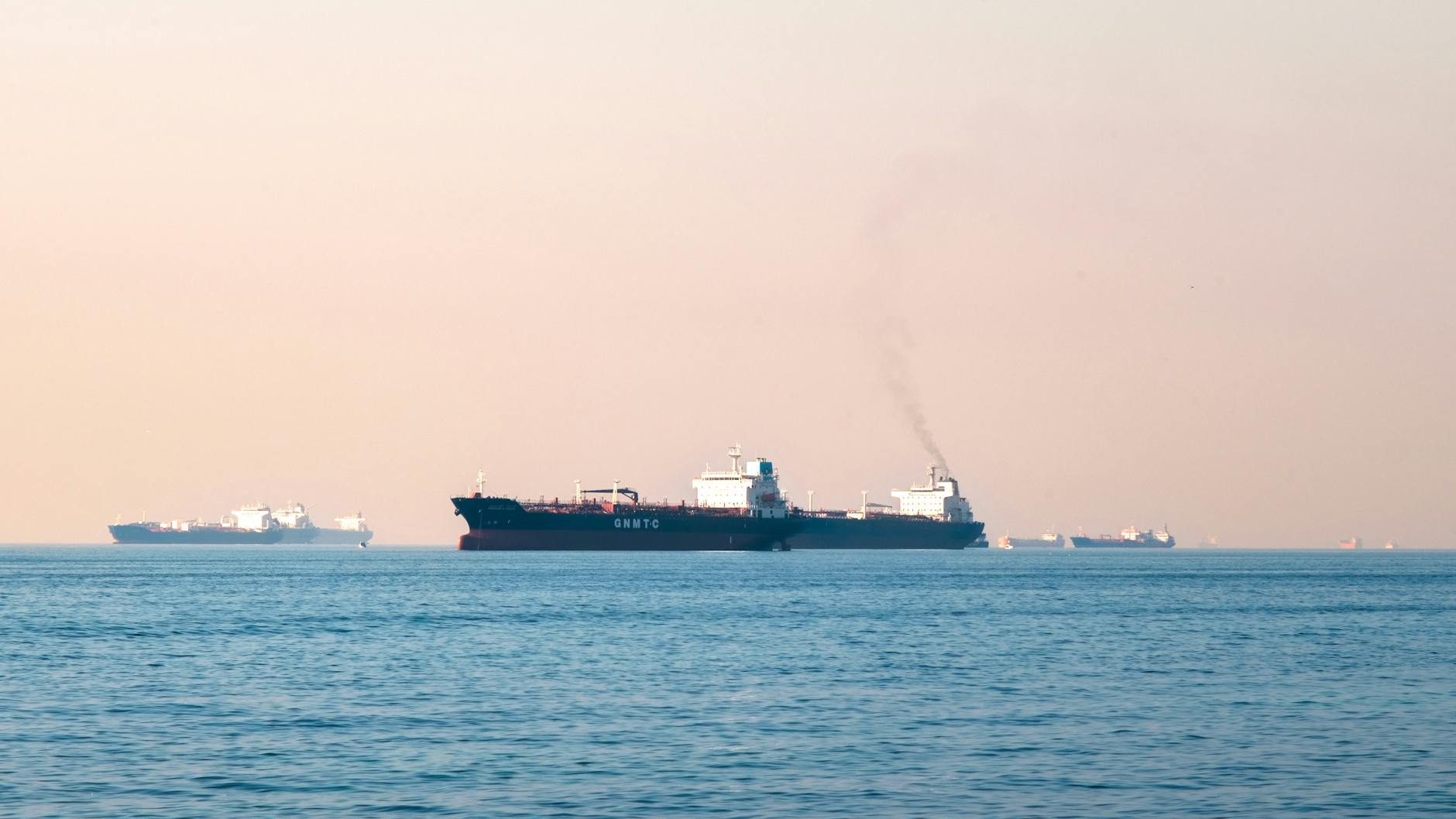
The Strait of Hormuz does not need to close completely to keep pressure on the market. Bloomberg’s Hormuz tracker showed commercial vessel traffic still thin even as investors debated whether diplomacy might lower the temperature. MarketWatch separately reported that 57 loaded VLCCs remained stranded around the strait, a reminder that ships do not snap back into position when a headline improves.
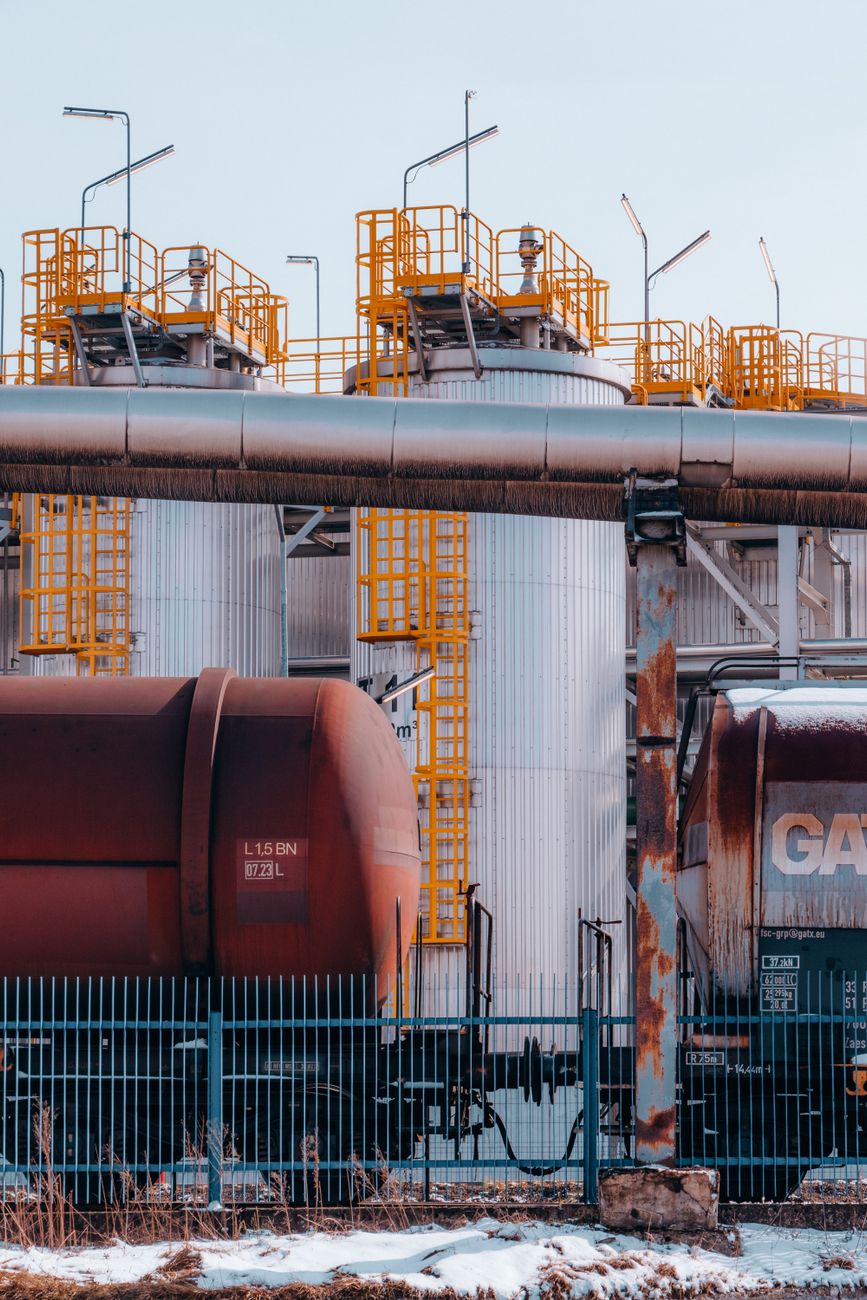
Insurance, charter rates and route decisions have their own lag. A tanker owner who has waited through one closure scare may demand more compensation for the next voyage. A refiner that loses a cargo may bid more aggressively for replacement barrels. Those frictions are hard to see in a front-month crude chart, but they decide whether a price move fades or compounds.
This is where the market’s fixation on the latest settlement can mislead. If Brent gives back a dollar after a ceasefire headline, the risk has not necessarily fallen by a dollar. Part of the risk has merely moved from the futures screen to the logistics chain. The physical question is whether enough barrels are moving, and whether they are arriving before inventories hit thresholds that force demand rationing.
Shohruh Zukhritdinov, quoted by Reuters, put the problem in those terms.
“I think the risk of a second price shock is real, but the key point is that it may come from the exhaustion of buffers rather than from the initial Hormuz closure itself,”
Shohruh Zukhritdinov, Reuters
OPEC helps, but not immediately
OPEC Plus can add supply, and the New York Times reported that the group is preparing to boost production while a ceasefire remains elusive. That should matter at the margin. It does not solve the timing problem if barrels are needed before ships, insurers and refiners regain confidence in the route.
The same caveat applies to weaker demand. Higher prices eventually cool consumption. Airlines adjust schedules, drivers consolidate trips, chemical producers protect margins and consumers spend less elsewhere. The uncomfortable part for central banks and equity investors is that demand destruction is a cure delivered through pain. It helps the oil balance by squeezing the rest of the economy.
Bob McNally, president of Rapidan Energy Group and a former White House adviser, warned the Financial Times that the problem can spread well beyond fuel.
“You start to raise the risk of spillover into other sectors, the economy and financial system … it detonates fragilities in the broader economy and financial system,”
Bob McNally, Rapidan Energy Group president, to the Financial Times
That is the macro channel traders should watch. Oil is not only an energy input. It is a tax on consumers, a margin shock for transport-heavy companies, a terms-of-trade shift for importers and a test of inflation expectations. If inventories are already thin, the shock requires less geopolitical drama to produce the same economic force.
What would confirm the risk
Three data points matter more now than the daily crude quote. The first is the pace of U.S. stock draws, including the SPR, because the U.S. reserve has become the world’s marginal stabilizer. The second is the product balance, especially diesel, where a summer squeeze would hit the real economy faster than a crude-only move. The third is vessel normalization through Hormuz, not merely the absence of a fresh attack.
CNBC’s energy-security analysis argued that the standoff has shifted the debate from price management to resilience. That is the right frame. A market with full tanks can treat a chokepoint scare as a volatility event. A market with thin inventories must treat the same scare as a balance-sheet event.
There is still a benign path. Hormuz flows could normalize, OPEC Plus barrels could arrive quickly enough, and high prices could trim demand before inventories reach the critical zone. In that case, the reserve releases will have bought time, not merely deferred a price spike.
The harsher path is also clear. If another disruption arrives before stocks rebuild, traders will not be pricing only the lost cargoes. They will be pricing the fact that the spare cushion was already used. That is why low inventories matter more than the latest day-to-day oil move. The next shock would hit a market with fewer buffers, and less room to pretend the physical system can absorb everything.
Reza Najjar
Commodities desk covering oil, natural gas, gold and base metals. Reports from London.