
OPEC+ raises August quotas as Hormuz flows recover, crude slips
OPEC+ raises August quotas by 188,000 barrels a day as Brent returns near prewar levels and Hormuz shipping improves after the Iran war.
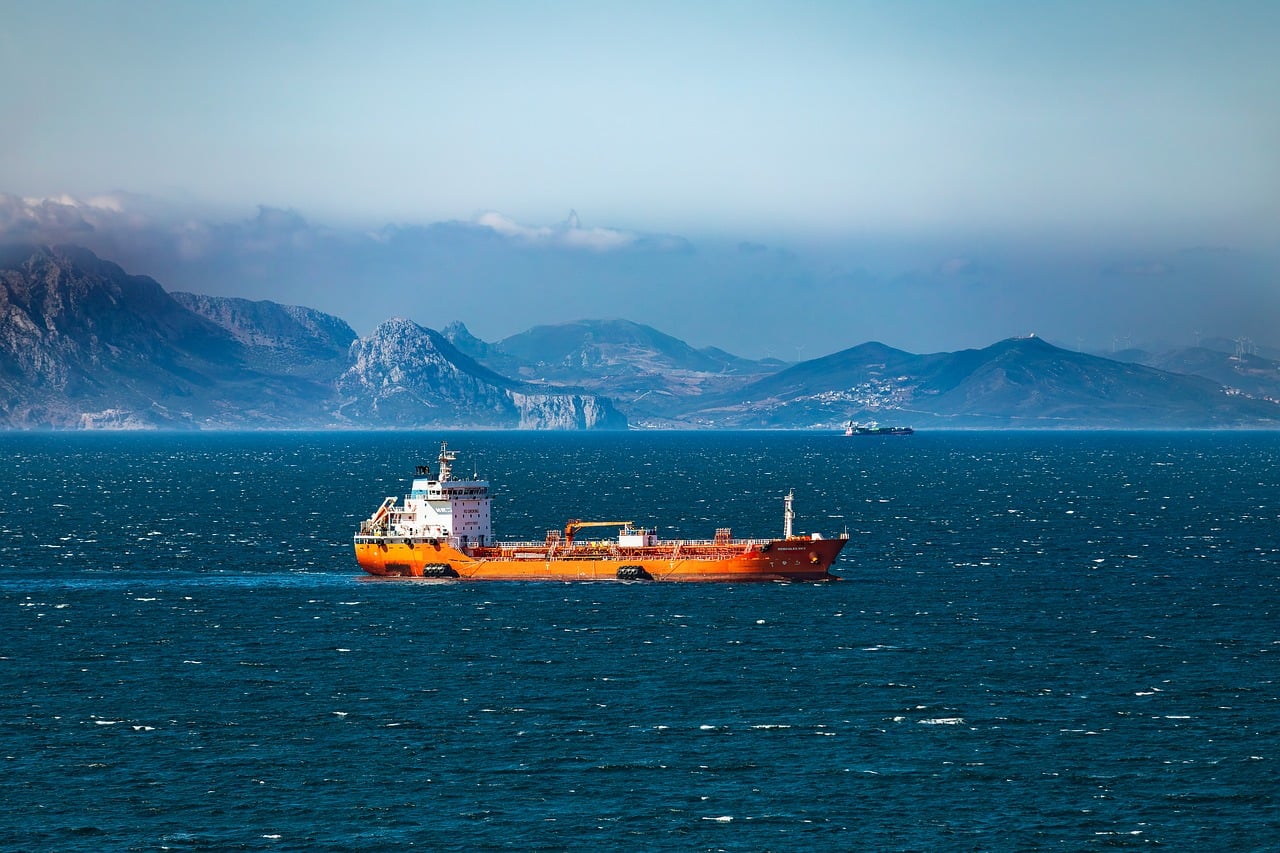
OPEC+ agreed Sunday to raise August output quotas by 188,000 barrels a day, pressing on with supply growth even as Brent traded at $72.12 a barrel and shipping through the Strait of Hormuz moved closer to normal.
After August, the producers will still have 379,000 barrels a day of their 2023 voluntary cut left to unwind. The latest decision takes cumulative increases since the Iran war began to 940,000 barrels a day, OPEC+ said in a statement. The alliance also repeated that the additions can be paused or reversed if market conditions weaken, language meant to keep the group from sounding committed to a full release whatever happens to prices.
The price signal is already softer. MarketWatch noted that Brent was near prewar levels at $72.12 and WTI at $68.69, a repricing that Salih Yilmaz of Bloomberg Intelligence tied to a much lower probability of a severe supply shock. Insurance costs, rerouting and uneven Hormuz transits still matter. Even so, the August quota step reads more incremental than aggressive with the worst Gulf scenarios fading from prices.
Tankers now tell traders almost as much as ministers do. As Reuters reported, UBS analyst Giovanni Staunovo said attention was still on Hormuz crossings and on whether demand and Chinese crude imports recover quickly enough to absorb the extra barrels.
“The near-term focus will remain on how many tankers will manage to cross the Strait of Hormuz and how quickly demand and Chinese crude imports recover.”
Giovanni Staunovo, UBS, via Reuters
Supply is returning into a market that has already marked down the Gulf risk. MarketWatch reported that oil had fallen roughly 10 per cent since mid-June, while Semafor argued on June 30 that returning Gulf flows were leaving the market awash in supply. OPEC+ is dealing with a market that is less frightened by transit risk, not one that has stopped caring about it.
This is not a flood of oil. It is a test of how much of June’s risk premium has really burned off.
What traders watch
Monthly increments have given OPEC+ room to press ahead despite weaker prices. Reuters reported that one more increase of roughly the same size at the Aug. 2 meeting would finish unwinding the remaining 2023 cut. The producers are testing whether recovered Gulf logistics and steadier Asian buying can carry more supply without pushing crude into another sharp leg lower.
Bank analysts have leaned toward that oversupply view. Late last month, Morgan Stanley said the Strait of Hormuz was reopening faster than expected as it cut its oil-price targets. Bloomberg Markets reported on July 1 that Goldman Sachs also saw the market swinging back toward surplus as the Iran-war shock faded. Geopolitical risk has not vanished, but crude bulls now need fresh evidence of disrupted flows or stronger demand, not just memories of June’s spike.
For OPEC+, the position is delicate. The group can point to restored barrels as proof it is keeping the market supplied, but it also has to avoid signaling that every old cut will be unwound regardless of price. OPEC said the additional voluntary adjustments announced in April 2023 could be returned “in part or in full” depending on market conditions, leaving the alliance room to slow or reverse course if freight frictions or regional tensions reappear.
The next signal comes from tankers and buyers before it comes from ministers. Traders will be watching whether Hormuz crossings keep normalizing, whether Chinese buying firms enough to take the added supply and whether the Aug. 2 meeting turns this month’s increase into the final step in OPEC+'s rollback of its 2023 curbs. If shipping stumbles again or the ceasefire backdrop frays, the same conditional language gives the group cover to stop short.
Reza Najjar
Commodities desk covering oil, natural gas, gold and base metals. Reports from London.