OPEC quota hike looks symbolic as Hormuz traps oil
OPEC quota hike adds 188,000 bpd for July, but Hormuz disruption means much of the extra crude may not reach buyers.
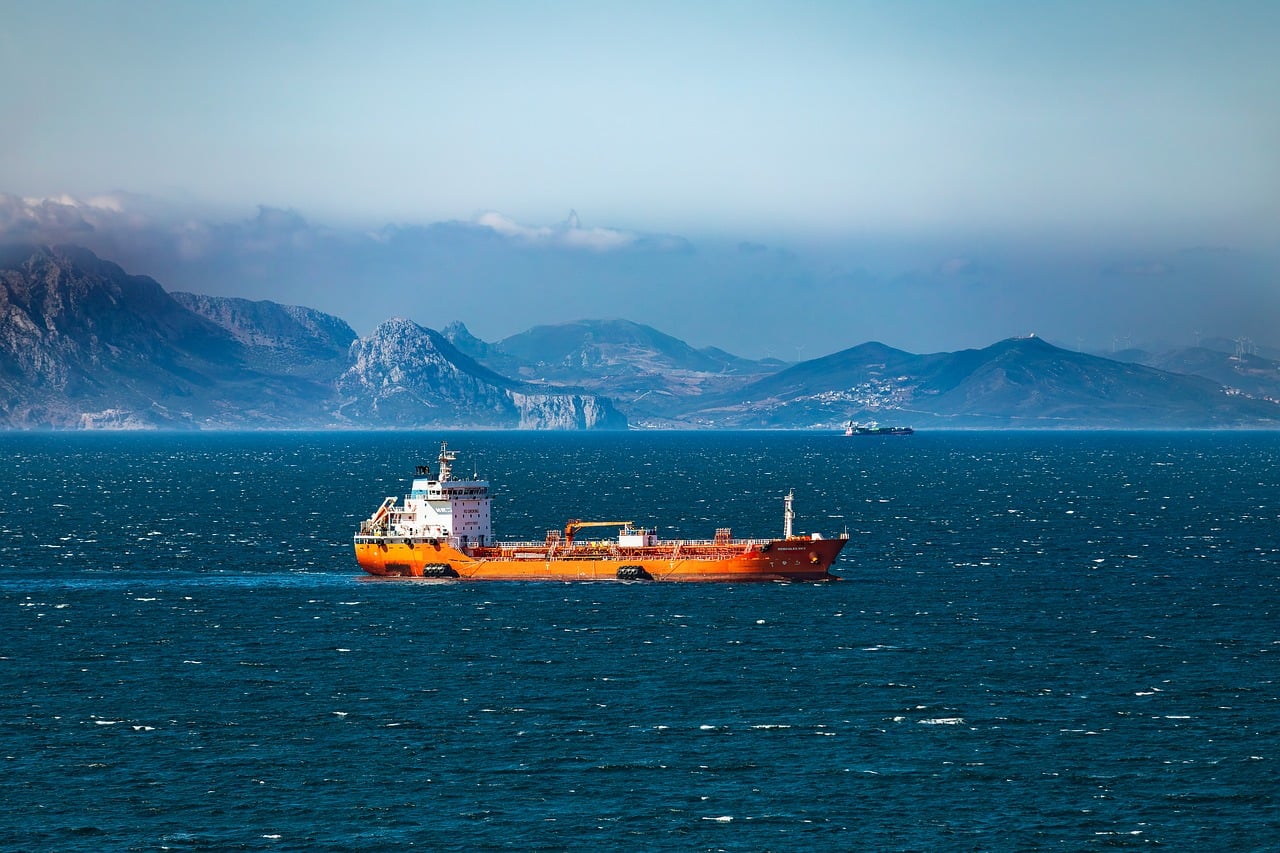
OPEC+ agreed on Sunday to raise July production quotas by 188,000 barrels a day, the alliance’s fourth monthly increase in a row, even as disruption around the Strait of Hormuz keeps much of the extra crude from reaching buyers.
The decision leaves the producer group formally unwinding earlier cuts while the Persian Gulf bottleneck tightens the spot market in practice. Reuters reported the July increase from people familiar with the talks. The next tranche would still leave 567,000 barrels a day of the original reduction to be returned from July.
In the physical market, the gap is between quota barrels and barrels that can be loaded, insured and delivered. OPEC+ can announce more headroom. Gulf exporters still have to move crude through a chokepoint before refiners in Asia or Europe can use it. The policy signal may cool some panic buying in futures, but it does not fill tanks.
Portfolio managers are likely to look past the mechanical increase and focus on the discount, if any, attached to Gulf barrels until shipping risk eases.
Jorge Leon, a former OPEC official and now an analyst, told Reuters:
“An OPEC+ production increase means very little while the Strait of Hormuz remains closed.”
Jorge Leon, Reuters
The move also shows Saudi Arabia, Russia and other core members trying to preserve a familiar message: spare capacity can be deployed if prices overshoot. That message is harder to trade when geopolitics has made part of the capacity less useful. Bloomberg described the increase as symbolic, citing delegates after the meeting.
What the quota says
The 188,000-barrel-a-day increase is modest against global consumption, but it extends the shift that began earlier this year. OPEC+ had already moved through three quota increases before the July decision, according to Reuters. The latest step leaves the group with a smaller buffer of cuts to unwind while its most visible export route remains impaired.
Reuters figures show why the market may treat the quota headline cautiously. The group’s April output averaged 33.19 million barrels a day, below the 42.77 million barrels a day reported for February in the same data set. Those numbers are not a clean month-to-month production guide, but they make the same point for traders: quotas, actual production and shipped supply can split apart when infrastructure, compliance and geopolitics pull in different directions.
Helima Croft, RBC Capital Markets’ head of global commodity strategy, told Bloomberg that the alliance was dealing with barrels that may not enter the market soon. “At this stage we are basically talking about hypothetical future scenarios with the bulk of the barrels stranded,” Croft said.
Why physical barrels matter
For oil prices, the near-term test is not the formal OPEC+ approval. It is whether refiners can bid for the barrels and whether insurers, shipowners and port operators can move them through the Gulf without adding a war-risk premium that eats up the benefit of extra supply.
Sunday’s decision is therefore more price-management signal than clean bearish supply shock. If Hormuz stays constrained, the announced increase may reassure some buyers that OPEC+ is not deliberately squeezing the market. It may still do little for prompt crude balances if cargo delays persist and inventories remain thin.
That distinction matters for central banks and consumers as well as energy desks. Oil shocks pass through first in fuel, then in freight and inflation expectations. A quota increase that cannot be delivered is less likely to soften those channels, especially if futures traders keep paying for geopolitical risk.
OPEC+ is telling the market it does not want the war premium to run without resistance. Traders may hear the message. They will still price the barrels they can actually receive.
Reza Najjar
Commodities desk covering oil, natural gas, gold and base metals. Reports from London.