Asia chip stocks fall as SoftBank slides 9.2% on AI sell-off
Asia chip stocks fell as SoftBank slid 9.2 per cent, TSMC dropped and investors questioned whether rising AI capex can still pay off.
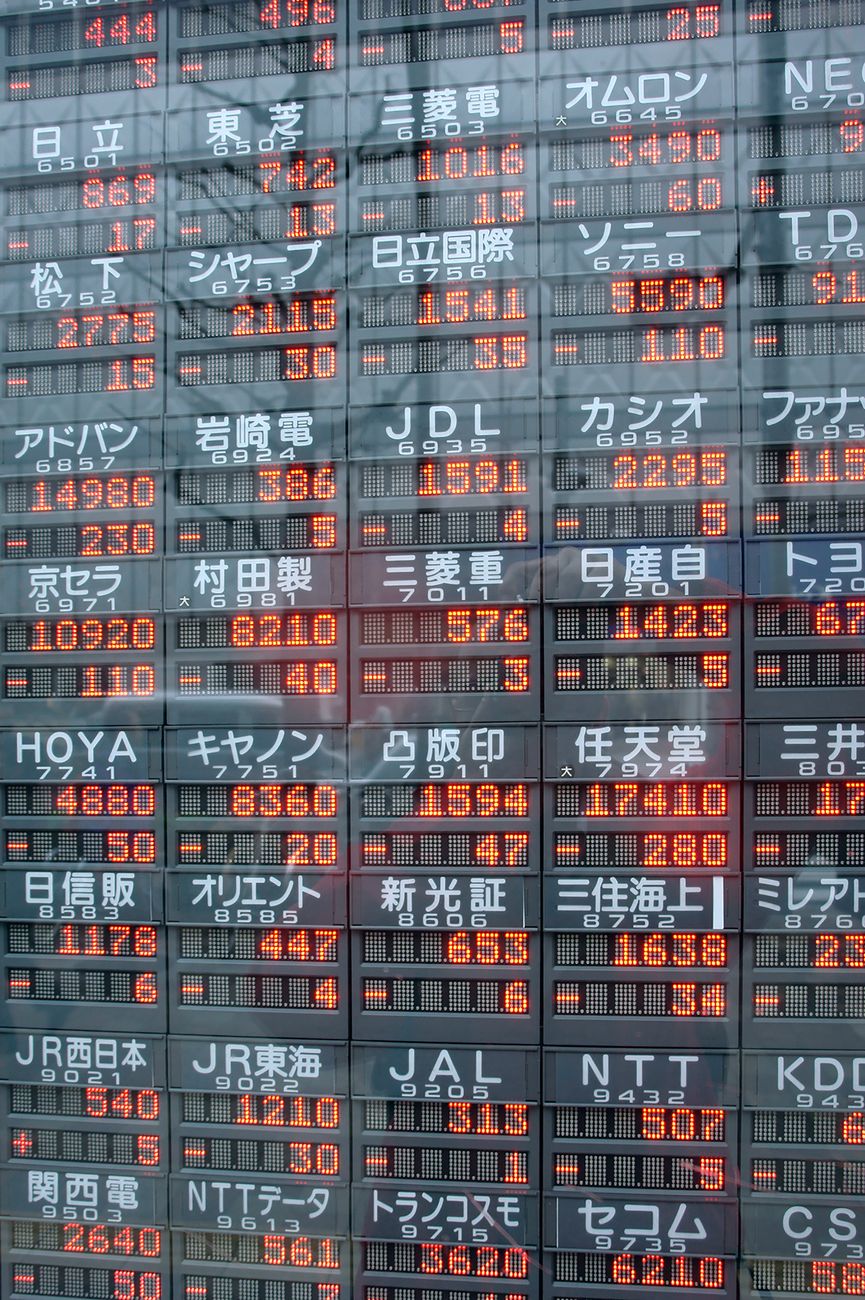
SoftBank Group Corp. dropped 9.2 per cent in Tokyo on Friday, with Tokyo Electron down 9.0 per cent and Advantest off 9.4 per cent, as Asia’s AI-linked chip trade followed Wall Street’s semiconductor rout. The damage was not confined to one corner of the market. Investors sold the listed proxies for AI capital spending, from SoftBank’s portfolio exposure to the equipment makers that supply advanced chip plants.
The reversal came less than a day after Taiwan Semiconductor Manufacturing Co. reported second-quarter profit up 77.4 per cent from a year earlier and lifted its full-year capital-spending forecast to $60 billion to $64 billion from $52 billion to $56 billion. In a calmer market, that would have been read as confirmation that demand for artificial-intelligence hardware was still running ahead of supply. On Friday it raised a different question: how much more capital the trade needs before investors see the returns.
TSMC shares fell 3.64 per cent in Taipei even after the earnings beat. Chief executive C.C. Wei said “AI related demand continues to be extremely robust”, language that would normally support another round of spending by cloud groups and chip buyers. The share reaction pointed elsewhere. Traders were looking past the demand signal and toward the cost of funding the next phase of the build-out.
That made the session look more like a momentum unwind than a stock-specific disappointment. Andrew Jackson, portfolio manager at Ortus Advisors, told CNBC’s market report that the latest pressure was landing on recent winners.
“Another wipe out for U.S. tech and AI with recent momentum winners taking another leg lower”
Andrew Jackson, Ortus Advisors, quoted by CNBC
Why the results did not help
The uncomfortable part for investors was the breadth. SoftBank tends to trade as a liquid proxy for the AI theme. TSMC is the manufacturing anchor. Tokyo Electron and Advantest sit further down the hardware chain, tied to chipmaking tools and testing. When those names fell together, the market was applying a higher discount rate to the whole capex complex rather than marking down one weak earnings print.
There was also a company-specific problem in memory chips. Kioxia Holdings Corp. was hit by a legal setback after Reuters reported that a U.S. jury found the flash-memory maker owed Viasat $229 million for infringing flash-memory patents. The verdict was not the cause of the regional slide, but it added a separate reason to avoid semiconductor risk on a day when the broader sector was already following the U.S. lower.
The debate now sits between demand and payback. Companies building AI hardware are still describing orders in strong terms, and TSMC’s higher spending plan should feed revenue for some suppliers over time. The market reaction showed less patience. Tokyo Electron and Advantest fell even though bigger TSMC capex should, on paper, be helpful for equipment and testing groups.
Asia’s Friday session looked less like a verdict on one earnings release than a reset in how the AI trade is being carried across markets. Strong numbers were not enough by themselves. Bigger spending was not automatically rewarded. For now, Asia’s semiconductor leaders remain in the shadow of Wall Street’s latest AI unwind, with investors asking for clearer evidence that rising capex will keep producing the growth already priced into the shares.
Avery Lin
Markets editor covering US equities, single-name stocks and quarterly earnings. Reports from New York.