SpaceX (SPCX) stock falls after Starship abort
SpaceX stock falls after Starship's launch abort pushed the newly public company below its $135 IPO price and into its first execution-risk test.
SpaceX shares fell more than 3 per cent in extended trading on Thursday after the newly public rocket company called off its first Starship test flight since listing. The drop pushed the stock further below its $135 offering price and made a late launch abort the IPO’s first visible operating stress test.
At $131.11, the shares had already ended the regular session below the offer price from one of the year’s biggest flotations. A scrub would have been familiar territory when SpaceX was private. In the public market, it became a quoted-price event for a company still trying to show investors how much execution risk sits inside Starship.
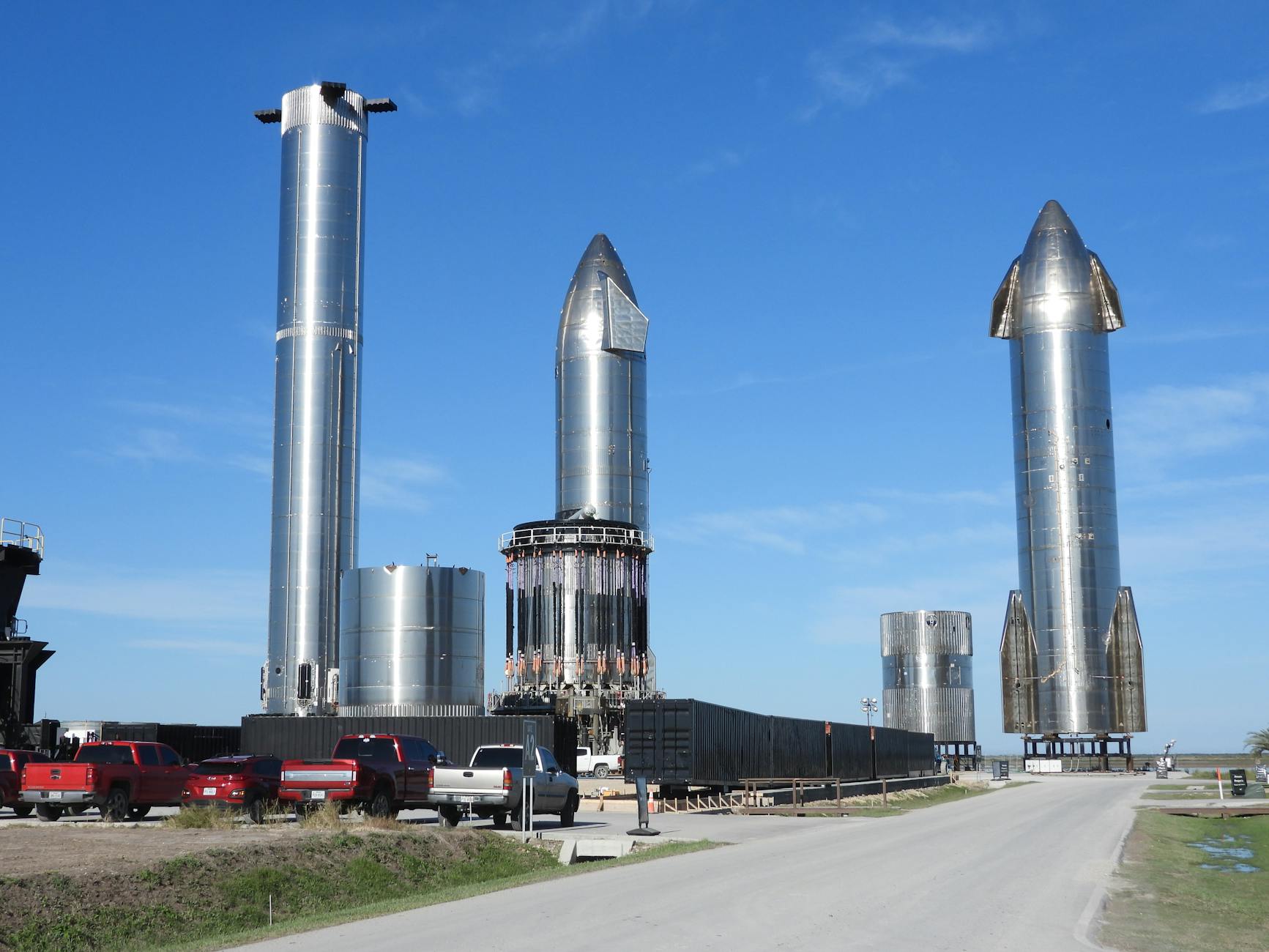
According to CNBC’s report, the test was supposed to build on SpaceX’s May flight of the Starship V3 rocket. Instead, the 407-foot vehicle stayed on the pad. AP reported that the launch was aborted at the last moment, while TechCrunch said the scrub came after ignition. That left little time for traders to treat the setback as routine schedule slippage.
Elon Musk said in a post on X that an automatic abort was triggered when some engines failed to start on the 33-engine rocket.
“Some of the engines didn’t start, triggering an automatic launch abort.”
In a second post, Musk said SpaceX would remove and replace two Raptors before another attempt, most likely early next week. That narrowed the problem to specific hardware rather than an open-ended delay. It did not erase the market signal: Starship’s test calendar is now part of how shareholders price SpaceX.
“To be confident of a good flight, 2 Raptors will be removed & replaced. Most probable launch timing is early next week.”
A public-market clock
The listing changed the audience for every scrub. SpaceX spent years absorbing delays inside a private-market story built around reusability, launch scale and customer demand. Public shareholders have a cleaner scoreboard. They have the IPO line at $135, a live ticker and, after Thursday’s move, evidence that a failed marquee test can land immediately in the share price.
Thursday’s reaction also showed investors drawing a line between normal aerospace caution and the valuation premium attached to Musk-linked businesses. Automatic abort systems exist to stop a launch when the vehicle is not ready, and one scrub does not damage the long-term case by itself. The stock’s move below the offer price leaves less room, though, for the market to wave away launch delays as background noise.
Starship sits near the centre of SpaceX’s equity story. It is the company’s most visible programme and the clearest shorthand for whether SpaceX can turn technical ambition into a steadier launch cadence. Investors do not need every flight to be perfect. They do need to see progress without frequent, public interruptions that spill into sentiment around the stock.
A successful retry next week could help traders frame Thursday’s drop as ordinary volatility around an ambitious aerospace company. Another slip would be harder to dismiss, because the first clear post-IPO operating test has already pushed the shares further below the offer price. For now, investors treated the scrub as price-sensitive evidence about execution, not as a side note to the spectacle.
Avery Lin
Markets editor covering US equities, single-name stocks and quarterly earnings. Reports from New York.