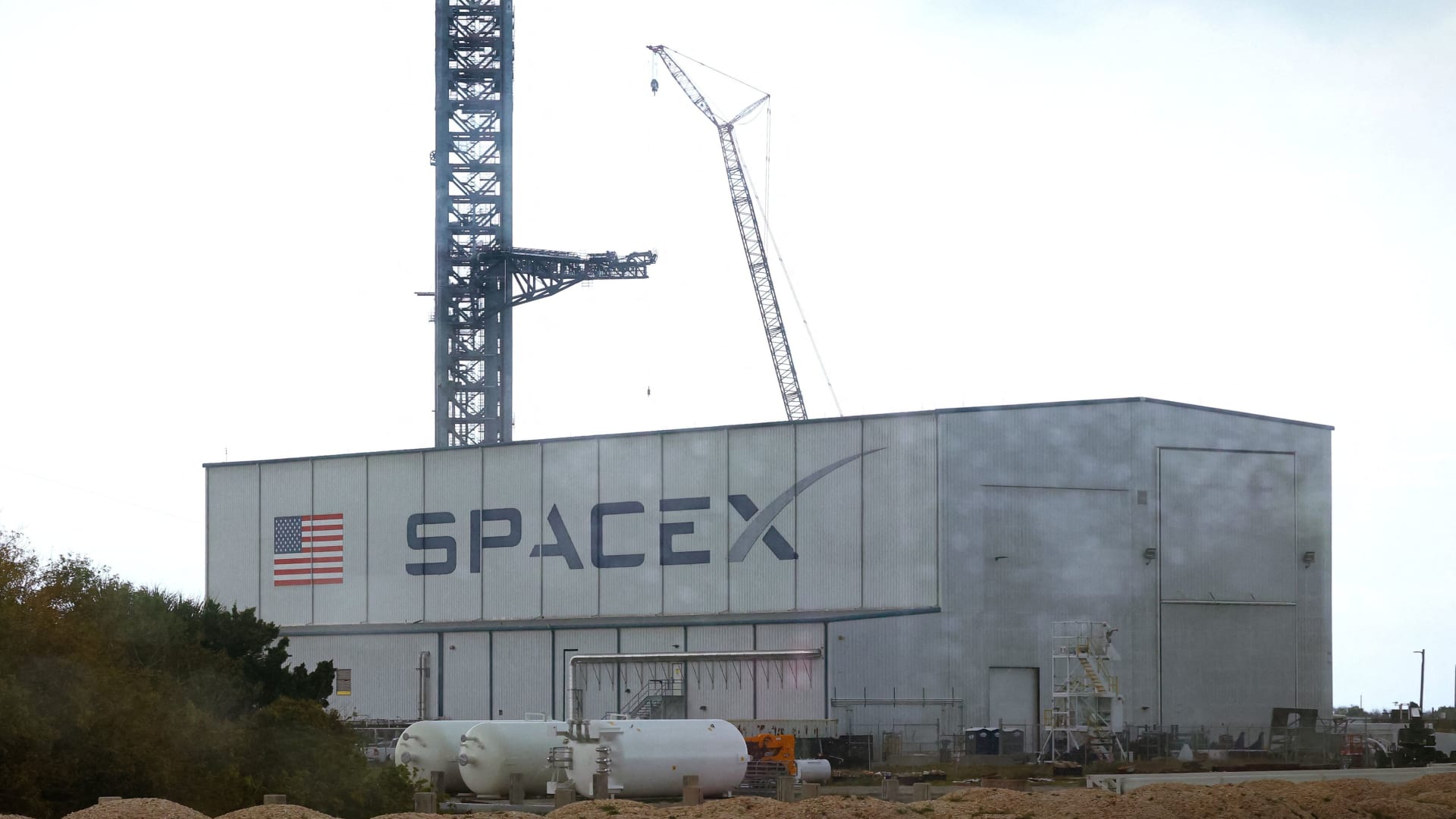
SpaceX (SPCX) IPO draws 4x demand before Nasdaq debut
SpaceX IPO demand topped four times the shares available as the $75bn listing tests retail appetite, governance risk and AI IPO pricing.
SpaceX’s initial public offering drew orders for more than four times the shares available as the record listing closed its institutional book Wednesday, with demand running above $250bn, Reuters reported. The company is due to price Thursday and start trading Friday on the Nasdaq under SPCX at a fixed $135 a share, according to Bloomberg’s account of the order book.
At that size, Space Exploration Technologies Corp.'s $75bn raise would be the largest IPO on record, ahead of Saudi Aramco’s $29.4bn 2019 debut. Bloomberg said the offer covers 555.6m shares and implies a market value of about $1.8tn, putting Elon Musk’s rocket and satellite company above most S&P 500 members before it has traded a public share.
The valuation leaves the deal carrying more than the usual financing load. SpaceX reported about $19bn of annual revenue, Bloomberg said, so the IPO price asks buyers to accept roughly 95 times sales for a company priced on Starlink growth, launch dominance, government contracts and a still-distant Mars option. Portfolio managers now get a blunt market check on how far scarcity can stretch valuation discipline.
Retail demand is built into the structure. SpaceX reserved 30 per cent of the offering for individual investors, triple the usual IPO share, and Bloomberg’s interviews with would-be buyers showed orders ranging from $6,500 to $25,000. Dec Mullarkey, managing director at SLC Management, told Bloomberg that many potential buyers he spoke with were focused less on near-term financials than on Musk’s record.
“Anyone I have talked to who may end up investing has said their main reason is Musk’s Midas touch. The payoff could be far away.”
Secondary markets are giving their own, thinner signal. Crypto traders priced a SpaceX pre-IPO perpetual future on Hyperliquid at $162, about 20 per cent above the offer price, CNBC reported. That is not a guaranteed opening print. It does suggest the scarcity premium has not been used up in the formal bookbuild.
Governance risk remains
The order book filled despite a regulatory overhang. Sen. Elizabeth Warren, the Massachusetts Democrat, asked the Securities and Exchange Commission to delay the IPO, citing investor-protection concerns tied to Musk’s control, SpaceX’s disclosures and questions around the xAI acquisition, CNBC reported.
“Given the unprecedented threats to investor protection and market integrity posed by the biggest IPO in history, you must delay any eventual acceleration of the registration statement’s effectiveness accordingly.”
Warren’s letter is unlikely by itself to reset the timetable. It does, however, give skeptics a concrete post-listing risk to price. Musk is expected to retain 84 per cent of voting control after the IPO, according to Bloomberg video coverage. That control structure may be tolerable to buyers chasing SpaceX exposure. It still limits the governance leverage normally available to public shareholders.
IPO wave benchmark
SpaceX’s order book also gives bankers a marker for the next wave of large technology listings. OpenAI filed for an IPO on June 8, following Anthropic’s confidential filing in late May, The Verge reported. Neither company maps neatly onto SpaceX, but the book shows that investors will fund category leaders at valuations that require years of execution to justify.
There are spillovers outside the deal. MarketWatch argued that the incoming SpaceX listing helped sour trading in technology stocks as funds sold other positions to make room. The Block’s analysis made a similar point for crypto, where a 30 per cent retail allocation could pull money from Bitcoin and Ether into SPCX orders.
Allocation is the next test, followed by the opening auction. A clean debut would give bankers a template for selling scarce, founder-led technology champions to both institutions and individual buyers. A broken trade would leave the market with the harder question of whether 2026’s biggest IPO priced demand, or priced belief.
Naomi Voss
Banks and deals reporter covering bank earnings, fintech, M&A and IPOs. Reports from New York.