SpaceX Starship test clears key IPO execution hurdle
SpaceX Starship test cleared major flight milestones, giving IPO investors a live read on execution risk behind Musk's valuation pitch.
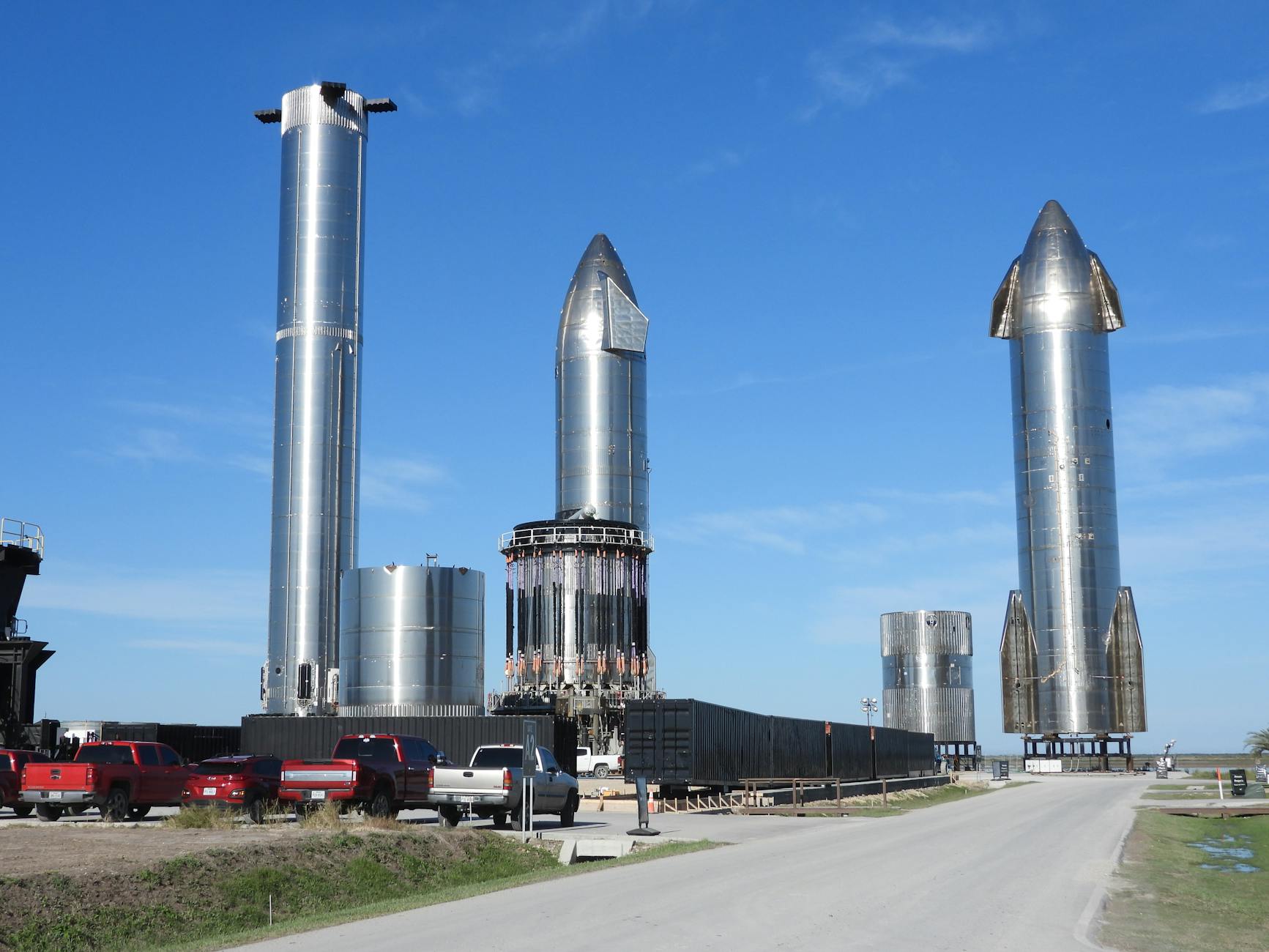
SpaceX’s mostly successful Starship V3 test on Friday gave investors a fresh operating read on the $1.75 trillion valuation the company is targeting ahead of what Reuters reported could be the biggest IPO in history. Days after SpaceX’s public filing laid out how much of its growth case rests on Starship, the launch gave the market a live test of whether the company’s heavy-lift program is moving toward dependable service.
Before the flight, investors were still working through the S-1’s revenue lines, losses and long-dated ambitions. After it, the question became more concrete: can the rocket at the centre of Starlink’s next phase execute on schedule. Semafor’s pre-launch analysis described the mission as a test of investor confidence as much as engineering, and Friday’s result broadly supported that reading without erasing the technical risk.
By the mission’s own yardsticks, SpaceX hit enough milestones to help the bull case. Reuters said the 12th Starship flight since 2023 deployed 20 mock Starlink satellites, completed an in-space engine relight and returned the upper stage for a controlled splashdown in the Indian Ocean. NPR’s account added that the 407-foot rocket, powered by 33 Raptor engines on its Super Heavy booster, also reached space on the first test of the upgraded V3 design. The misses were visible but limited: one engine was lost during ascent and the booster failed to complete a planned boost-back burn before splashing down in the Gulf.
NPR quoted NASA administrator Jared Isaacman saying Starship was “now one step closer to the moon”. For public-market investors, the line mattered less as lunar rhetoric than as evidence that one of SpaceX’s biggest customers still sees progress after a flight with obvious imperfections.
That distinction matters because Starship is not a side project inside the offering documents. In the Financial Times’ analysis of the filing, the rocket sits near the centre of Musk’s pitch that SpaceX can expand Starlink, take on heavier payload work and support data-centre and lunar businesses over time. Business Insider’s read of the S-1 timelines put the point in operating terms: the filing ties future payload deliveries and next-generation Starlink deployments to Starship milestones, linking launch reliability to revenue timing rather than brand aura.
Friday’s mission did not prove Starship is routine. It did show that SpaceX can combine payload deployment, an in-space relight and re-entry in one flight while limiting the damage from the failures that remained. For investors trying to underwrite a capital-intensive business with long technical timelines, that is a more useful data point than another broad valuation narrative.
Why the market cares
SpaceX is coming to market while investors are still testing how far demand for blockbuster offerings extends beyond software and AI. NPR’s earlier filing story described the deal as likely to become the largest IPO on record, while Semafor argued that listings from SpaceX, OpenAI and Anthropic could make 2026 the biggest IPO year ever. A cleaner Starship test does not settle valuation, but it does strengthen the case that SpaceX should be judged as an operating company with visible milestones, not simply as Musk’s next scarcity asset.
The remaining risks are still easy to see. Reuters and NPR both reported the engine loss and the missed boost-back sequence, and public investors tend to translate those details into schedule risk, insurance cost and thicker execution buffers. The filing deadlines that Business Insider highlighted are aggressive enough that later slippage could quickly reopen doubts around the IPO story.
For now, Friday’s flight moves the discussion from abstract ambition to measurable execution. SpaceX can point to a mission that was imperfect, expensive and still materially successful. In a listing of this size, that may matter almost as much as Musk’s sales pitch.
Naomi Voss
Banks and deals reporter covering bank earnings, fintech, M&A and IPOs. Reports from New York.