India chemical stocks rise as Hormuz disruption boosts pricing
India chemical stocks rose as Hormuz disruption tightened petrochemical supply and improved pricing power, widening the Gulf shock beyond crude.
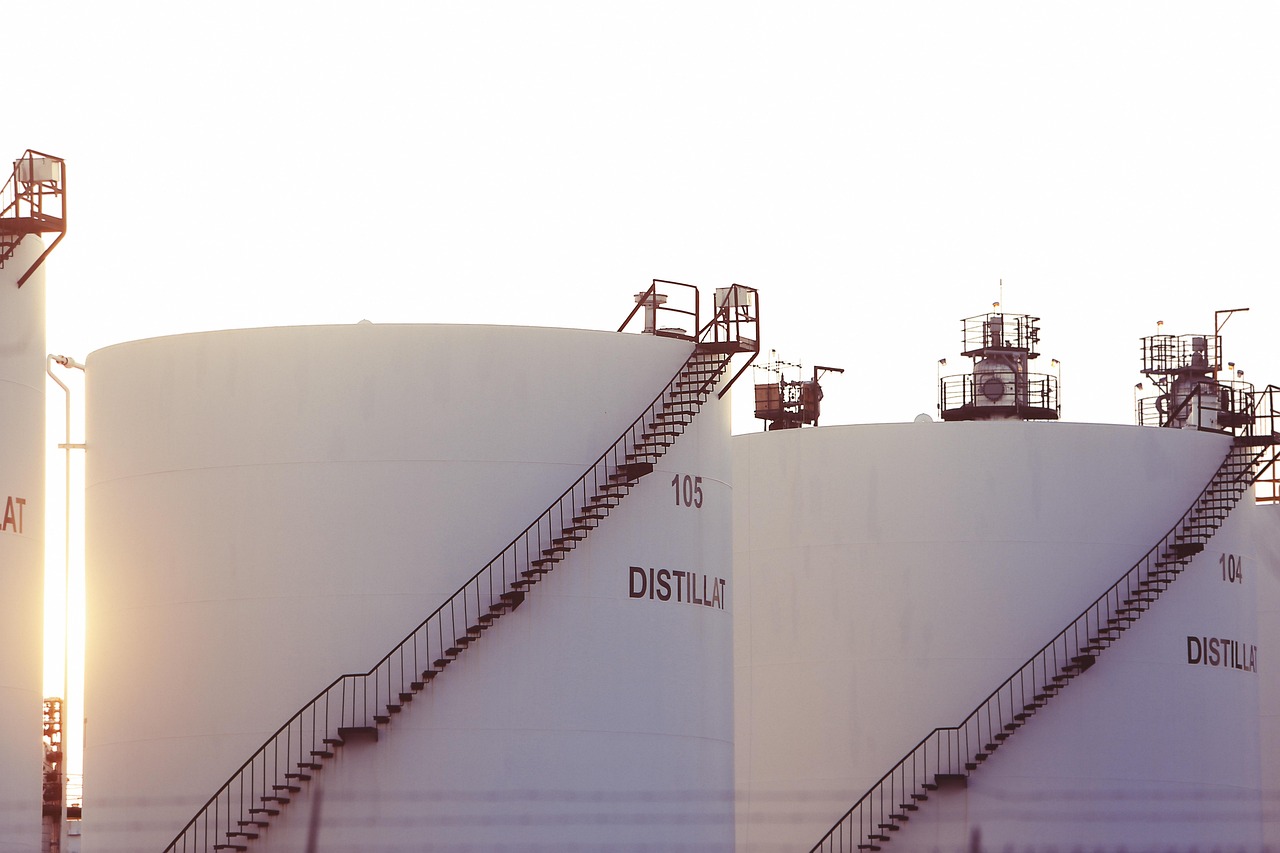
Chemical stocks in India rose Friday as traders bet that disruption around the Strait of Hormuz would tighten regional supply and give downstream producers more room to raise prices. The rally turned the Gulf shock into something more specific than another crude trade. Bloomberg reported that listed Indian names gained on expectations of firmer realisations for chemical makers, while Brent crude held at $85.01 in Friday trading.
For chemicals, Hormuz is a supply-chain story as much as an oil one. A Reuters report from March estimated that $20 billion-$25 billion of petrochemical products move through the strait each year. Disruption in that flow can show up in plastics and chemicals pricing even when the waterway is not formally closed.
Local analysts have already put numbers around the sensitivity. Business Standard, citing Emkay, said India still depends on the Middle East for roughly 50%-55% of its crude oil and LNG needs, while most listed chemical exporters earn only 0%-9% of FY25 revenue from the region. The same note cited polymer price increases of 6%-8% in March 2026, a recent example of feedstock stress moving quickly into selling prices.
That low direct revenue exposure helps explain the share move. Investors do not need to assume a demand boom in the Gulf. They need supply frictions to lift regional product prices faster than they damage export volumes, at least for now.
Khushbu Lakhotia, director of corporate ratings at India Ratings and Research, told BusinessWorld that immediate support for the sector was more likely to come from pricing than from any sudden improvement in end-demand.
“Prices are likely to remain higher than pre-conflict levels in the near term, given the logistics and supply disruptions.”
Khushbu Lakhotia, India Ratings and Research
Why the market cared
The move shows how the Hormuz premium can pass through equities as well as barrels. Bloomberg said the broader rally in chemical names will still need demand to recover if it is to last. In the short run, the mechanism is plainer: slower logistics, tighter import competition and better domestic pricing can support shares before volumes improve.
There is a limit to that thesis. A government source told The HinduBusinessLine that India had managed to replace some lost LPG and LNG cargoes and that “for now, there are supplies”. That keeps the story closer to pricing friction than panic shortage. Investors are reacting to delay, not to a full stop in available molecules.
Duration matters more than drama. Ajay Sahai told The HinduBusinessLine that “the disruption is simply getting prolonged”, a line that matches the logistics-heavy reading in recent Gulf supply stories.
Ships may still move. Freight schedules, insurance costs and delivery timing can still tighten the effective market for chemicals and polymers.
That is the narrow but significant angle behind the move in Indian chemical shares. Oil above $85, higher transport uncertainty and a history of quick polymer price pass-through have given investors a reason to treat the sector as a beneficiary of Hormuz stress. Whether the trade broadens from a short pricing burst into a more durable rerating will depend less on conflict chronology than on how long supply frictions last and whether demand catches up.
Reza Najjar
Commodities desk covering oil, natural gas, gold and base metals. Reports from London.