India oil imports shift after Hormuz as Africa and LatAm gain
India oil imports are shifting after the Hormuz disruption as refiners pull more crude from Africa and Latin America to replace riskier Gulf barrels.
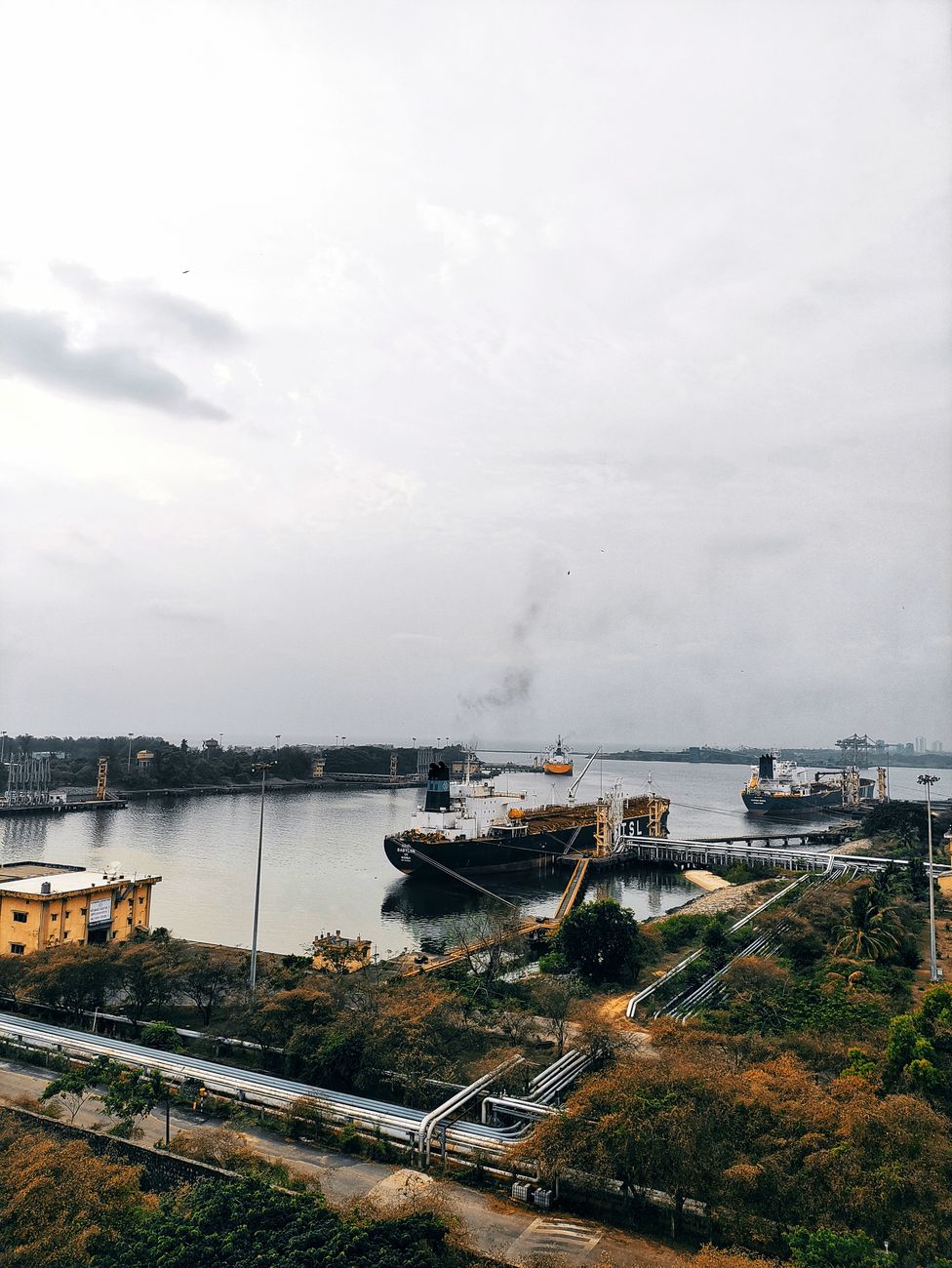
Indian refiners are turning to Latin American and African crude after disruption around the Strait of Hormuz hit Middle East flows, Reuters reported on Sunday. The shift suggests the shock is already changing physical oil trade, not just futures pricing. Once buyers replace habitual Gulf barrels with longer-haul cargoes, the strain shows up in freight, refinery planning and bank lines as well as on a Brent screen.
Preliminary Kpler data cited by Reuters showed India’s total crude imports at 4.57 million barrels per day in April, flat from March but 15.5 per cent below a year earlier. The more important move was inside the mix. Imports from the UAE rose to 669,700 bpd from 230,600 bpd in March, Saudi Arabian volumes reached 619,500 bpd and OPEC’s share of India’s imports climbed to 45.2 per cent from about 30 per cent a month earlier. For refiners that usually value Gulf proximity, that was a sharp reset.
Russian barrels still anchored the system, but the cushion had already thinned before the Hormuz disruption deepened. Reuters said India’s imports from Russia fell 29.4 per cent month on month to 1.6 million bpd in March, partly because maintenance at Nayara Energy cut intake. Russian crude had become a swing source for Indian refiners when discounts widened. With that buffer smaller, any interruption to Gulf shipping leaves buyers searching farther afield and paying more to keep plants supplied.
That is the difference between futures and physical barrels. Prices can jump on a headline. Cargoes cannot. Refiners still need the right grade, a ship, insurance cover and time for delivery. A replacement barrel from West Africa or Latin America changes the freight bill and the timing of refinery runs. For India, that lag is where disruption becomes a cash cost.
Why the rerouting matters
Even if the security risk eases, the logistical strain may linger. The New York Times reported that about 1,500 ships tied to the Strait of Hormuz still face a slow clearing process because shipowners, insurers and port operators need guidance on sequencing, passage and inspections. That leaves buyers dealing with stop-start normalization. For Indian refiners, an Atlantic Basin cargo is no longer only an opportunistic buy. It is insurance against a corridor that may reopen unevenly and at a higher cost.
India’s scale magnifies the effect. It is one of the world’s largest crude importers, so even a partial shift in buying can redirect tanker demand and move regional differentials. More barrels from Africa or Latin America mean longer voyages, more ton-miles and tighter vessel availability. Different crude grades can also alter sulphur balances and product yields, squeezing margins when fuel demand is not strong enough to absorb every extra cost. UNCTAD warned that shipping disruption around Hormuz also threatens flows of energy, fertilizers and other essential goods, leaving vulnerable economies exposed to delays and higher transport costs. India is better placed than many peers to find replacement crude, but longer routes still work through refinery margins, fuel prices and the import bill. For poorer importers, the same friction can quickly become a balance-of-payments problem.
What traders will watch next
That is why traders will watch India closely. Its refiners are large, price-sensitive and used to reworking supply slates when spreads shift. A jump in UAE barrels does not erase the broader move toward Africa and Latin America. It shows buyers are widening the field wherever cargoes are available and insurable. In calm markets, distance is a disadvantage. In a disrupted one, certainty of passage can matter more than voyage length.
The next question is duration. If Gulf sailings normalize quickly, India can move part of its buying back toward its usual suppliers. If disruption lasts, traders will have to price a market where supply still exists but the cheapest route is no longer the safest. India’s latest import mix points to the same conclusion: the Hormuz shock is already redirecting crude on the water, not only futures curves on a screen.
Reza Najjar
Commodities desk covering oil, natural gas, gold and base metals. Reports from London.