Strait of Hormuz reopening may not cool oil or freight
Strait of Hormuz reopening may still leave oil, LNG and freight markets jammed as a 1,500-ship backlog, mine clearing and war-risk premiums linger.
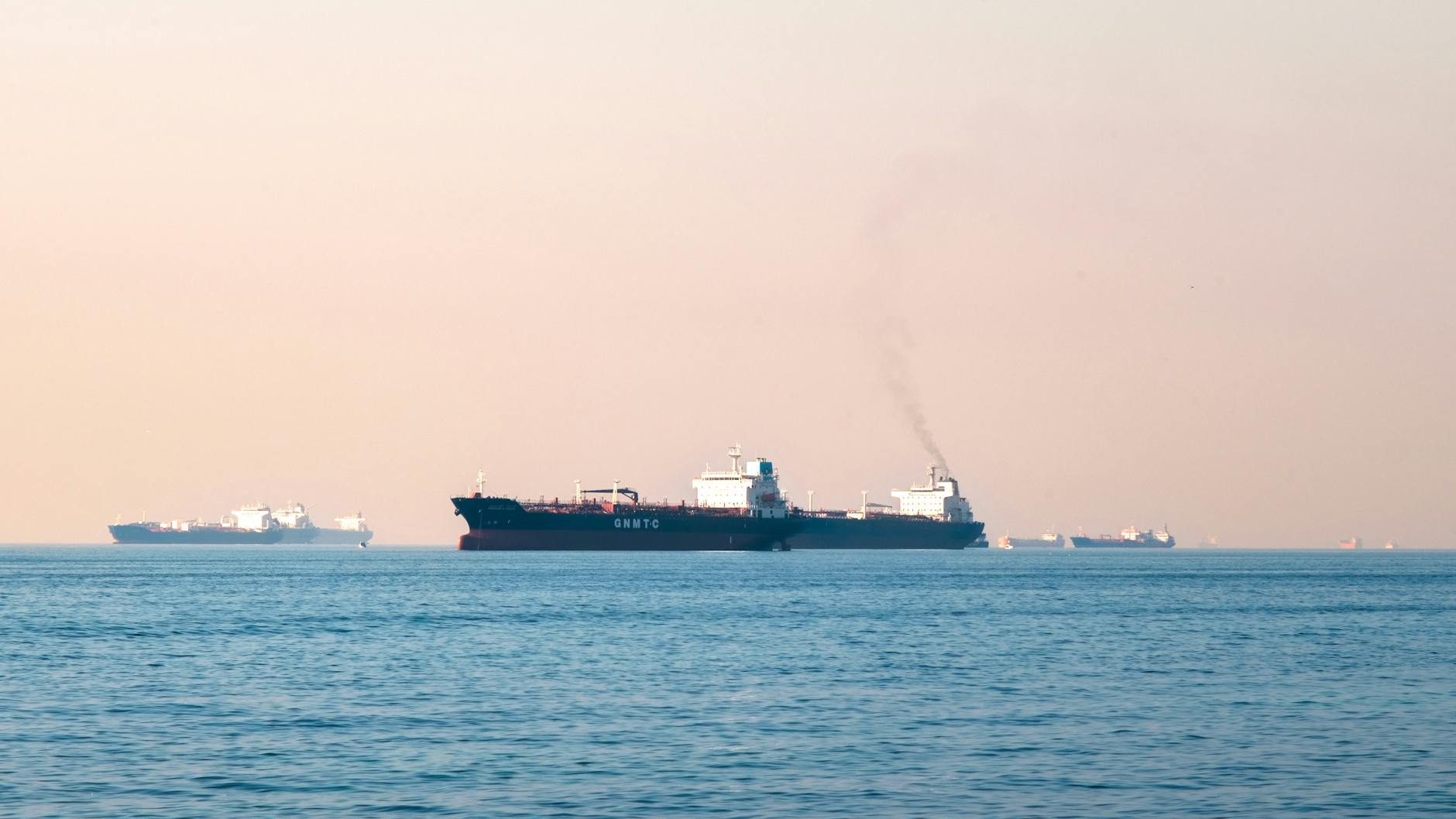
Even if diplomats secure a reopening of the Strait of Hormuz on Monday, roughly 1,500 ships stranded by nearly three months of disruption still have to be sequenced through one of the world’s tightest energy chokepoints. For futures traders, that means a ceasefire headline would matter immediately on screens, but much less quickly for physical cargoes, tanker availability and delivered fuel costs.
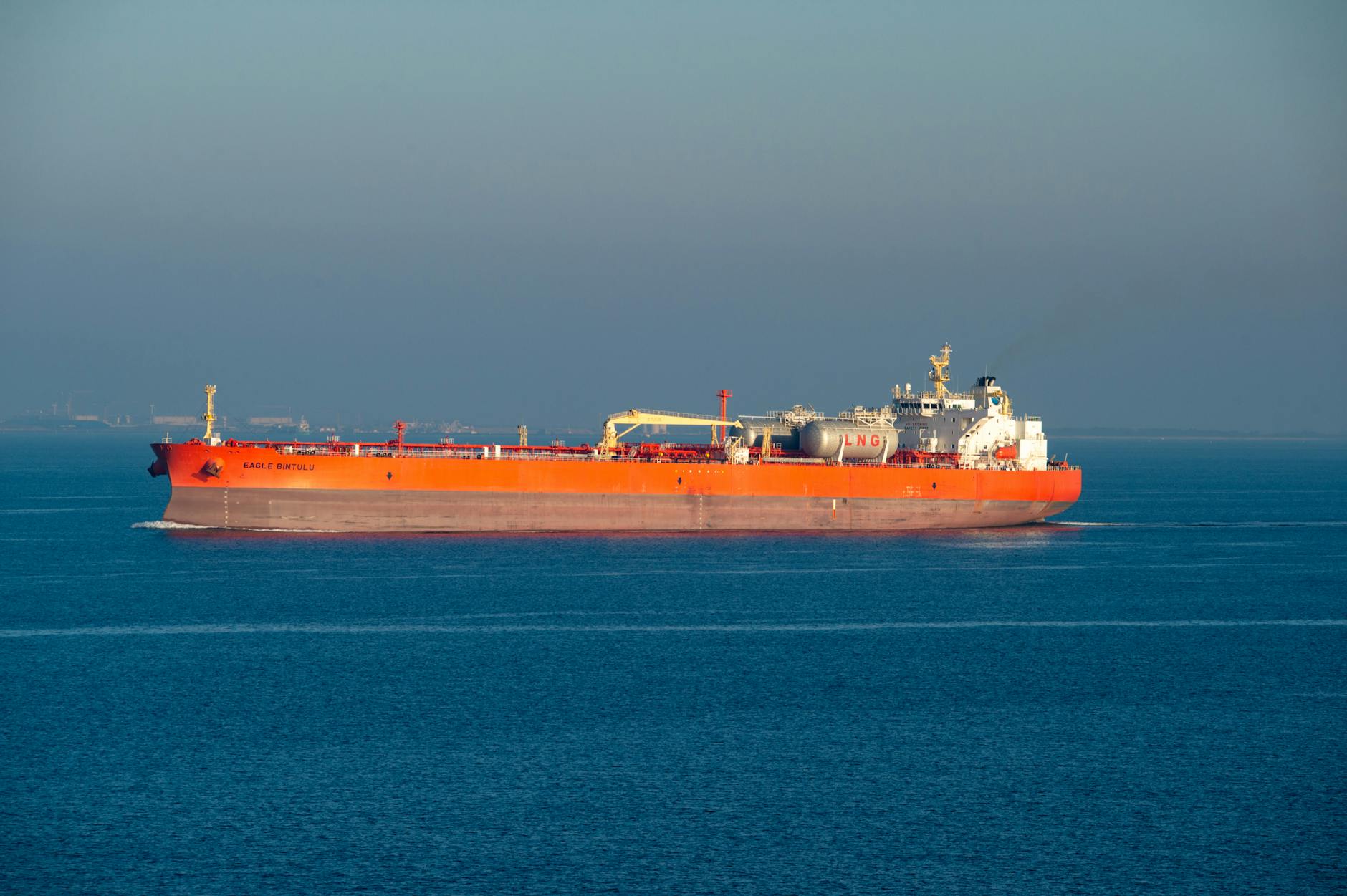
Now the market question is not whether the lane can reopen, but how long it takes to look normal again. Tankers carrying Middle East oil and LNG have already begun leaving Hormuz for Pakistan and China after tentative progress, according to Reuters, but the first sailings are better read as proof of controlled movement than as evidence that the system is healed. Scramnews’ earlier Hormuz pieces were about missing flows; the follow-up is about clearing them.
But shipping analysts and charterers read the same event differently from headline traders. The immediate constraint is not simply access to the waterway. It is the order in which trapped vessels are released, the longer routes importers have already booked, and the inventory buffers producers are already using. About 260 vessels were already floating inside the Gulf carrying 170 million barrels of oil and 1.2 million metric tons of LNG during the disruption, while commercial crude storage in the region stood at 262 million barrels, enough to cushion production only for a time. A reopening starts the queue. It does not erase it.
Backlog before relief
The first pricing mistake in any reopening rally is to assume that every ship waiting near Hormuz can move at once. It cannot. The backlog has to be rationed through defined shipping channels, with older cargoes, priority energy flows and naval instructions all affecting sequence. In the first 24 hours, the New York Times’ reporting on the 1,500-ship backlog matters more than the ceasefire verb. Physical markets clear in order, not in unison.

Freight can stay distorted even after crude benchmarks start to retreat. Some vessels will complete delayed Gulf loadings. Others will remain out of position after taking longer-haul business elsewhere. An FT analysis last week argued that oil futures still looked unusually calm relative to the physical strain building in the Gulf. The gap has narrowed, but the point still holds: paper barrels can reprice on diplomacy faster than ships can reload, ballast and return.
In India, the user-affected perspective is already visible. Indian refiners turned to Latin American, African and Russian crude after the Hormuz disruption, according to Reuters. Once those substitute barrels are booked, a Gulf reopening does not automatically unwind them. Refiners have cargoes in transit, refinery runs to protect and credit lines tied to replacement supply. Gulf exporters may regain market share, but not in a single burst.
Pricing stays sticky because the demand side has changed shape during the closure. The market is no longer waiting passively for the same barrels to return. Buyers have adjusted, inventories have been drawn and alternative routes have been paid for. Even if part of that trade reverses, it tends to do so gradually, which is one reason Guardian reporting on fuel markets argued that retail fuel prices were unlikely to normalise quickly even in a cleaner end to the conflict.
Insurance is the gatekeeper
If backlog explains the first phase of the distortion, insurance explains the second. The political test for reopening is whether ships can transit. The commercial test is whether underwriters believe they can keep doing so. War-risk premiums that had run near 0.25 per cent before the conflict jumped into a 3 per cent to 8 per cent range during the disruption, according to Khaleej Times. Those costs do not vanish because a communique says the route is open.

“The market can insure volatility, but it struggles to insure uncertainty.”
— Oscar Seikaly, chief executive of NSI Insurance Group, via Khaleej Times
Seikaly’s line captures the insider view better than any price chart. Volatility is a premium. Uncertainty is a refusal function. If insurers suspect mines remain, escorts are inconsistent or shipowners could face renewed attacks after one or two successful sailings, the reopening headline becomes less relevant than the claims history that follows. Seikaly told Khaleej Times that underwriters need to see “consistent freedom of navigation over time.” That is a higher bar than one convoy.
Munro Anderson, Vessel Protect’s director of marine strategy, made the same point more operationally in an Al Jazeera feature on when commercial shipping would be safe again:
“There must be an explicit commitment by all parties to enforce freedom of navigation through established and internationally recognised shipping channels.”
— Munro Anderson, Vessel Protect, via Al Jazeera
Seen another way, the waterway is not commercially open when diplomats say so. It is commercially open when insurers, shipowners and charterers all price it that way at the same time.
Mine clearance sets the ceiling
The third constraint is physical and cannot be talked away. Congress was told that clearing Iranian mines from the strait could take as long as six months, according to the Washington Post. That does not mean Hormuz stays shut for six months. It does mean traffic may have to move through narrower safe lanes, with escorts, checks and speed restrictions that cap throughput well below a normal month.
From the regulator and security side, the bottleneck imposes a ceiling on every bullish reopening trade. Maritime guidance collected by gCaptain warned of congestion, spoofing and the need for disciplined corridor management. Those are not abstractions for traders. They translate into longer turnaround times, higher bunkering costs and fewer usable hulls per day. In freight markets, friction is price.
This is also where the analyst perspective loops back in. A tanker that takes longer to load, sail under escort or wait for a protected slot is a tanker unavailable somewhere else. That keeps ton-mile economics tighter than a flat price chart might imply. It also helps explain why Reuters’ report on the first vessels exiting Hormuz read more like a controlled release than a snapback. Movement has resumed. Flow has not normalised.
Why the reopening still matters
None of this means a Hormuz deal would be cosmetic. It would matter immediately for tail risk, front-month oil pricing and the probability of a deeper supply shock. The first effect of any credible reopening is to remove some of the worst-case premium embedded in crude. But the second-order markets, freight, LNG delivery schedules, refined products, insurance and regional sourcing, will clear on a slower clock.
Here, the distinction is the pricing story. Political risk can come out of Brent in a session. Shipping backlogs clear cargo by cargo. Insurance reprices transit by transit. Import patterns shift tender by tender. A reopening, in other words, would likely mark the end of escalation risk before it marks the end of logistical stress.
For scramnews readers, the next useful signal may not be the ceasefire headline itself. It may be whether Gulf loadings accelerate without a fresh premium, whether Indian buyers start switching back from Atlantic barrels, and whether insurers move first or hold the line. Until those indicators turn, the Strait of Hormuz is better understood as a clearing queue than as a reopened tap. The market can price peace quickly. Ports and tankers usually cannot.
Reza Najjar
Commodities desk covering oil, natural gas, gold and base metals. Reports from London.