LNG tanker exits Hormuz for India in first post-war cargo
An LNG tanker carrying a cargo for India cleared the Strait of Hormuz, the first such Gulf shipment since the Iran war began, offering an early test of whether energy traffic is resuming.
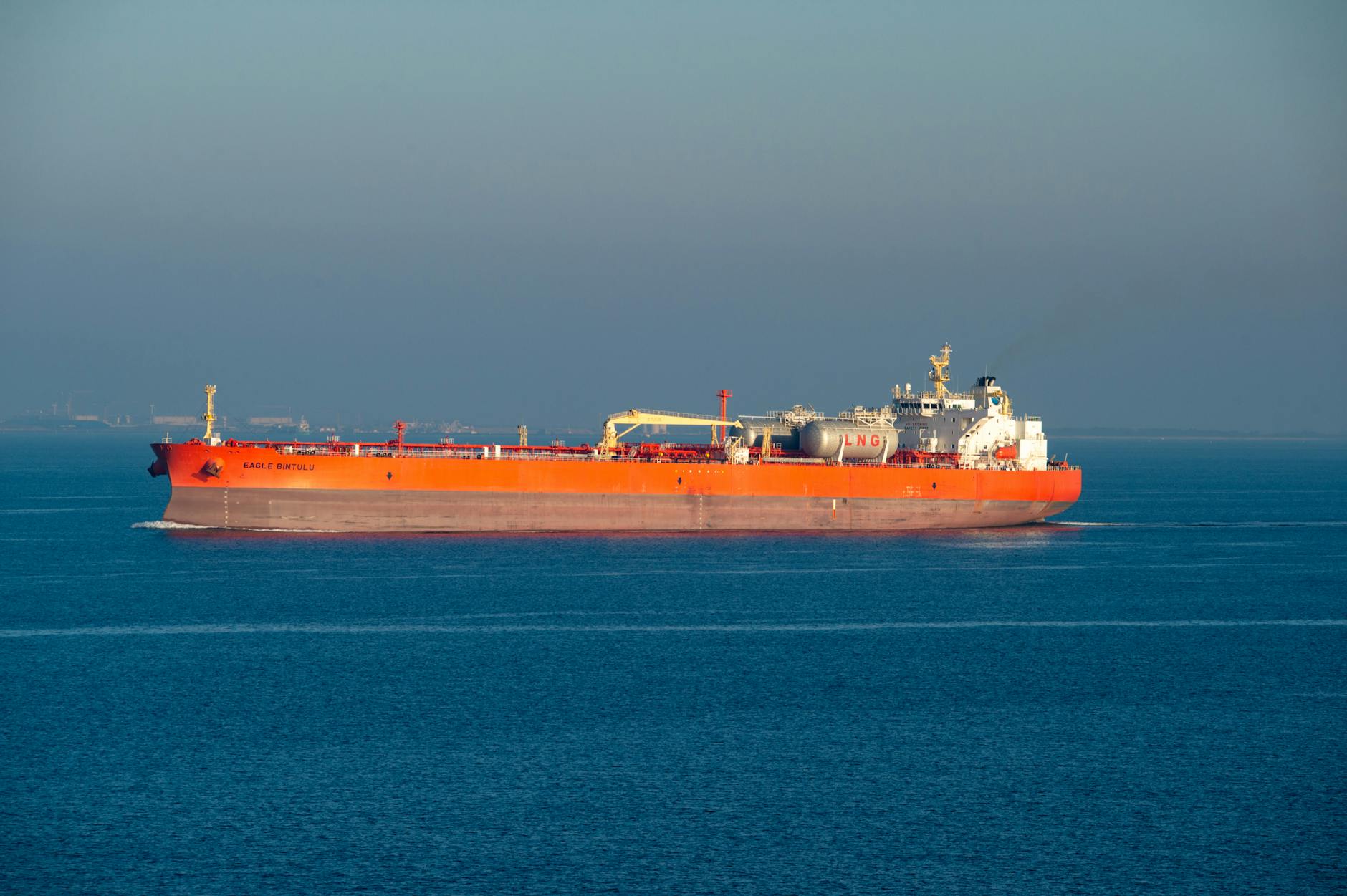
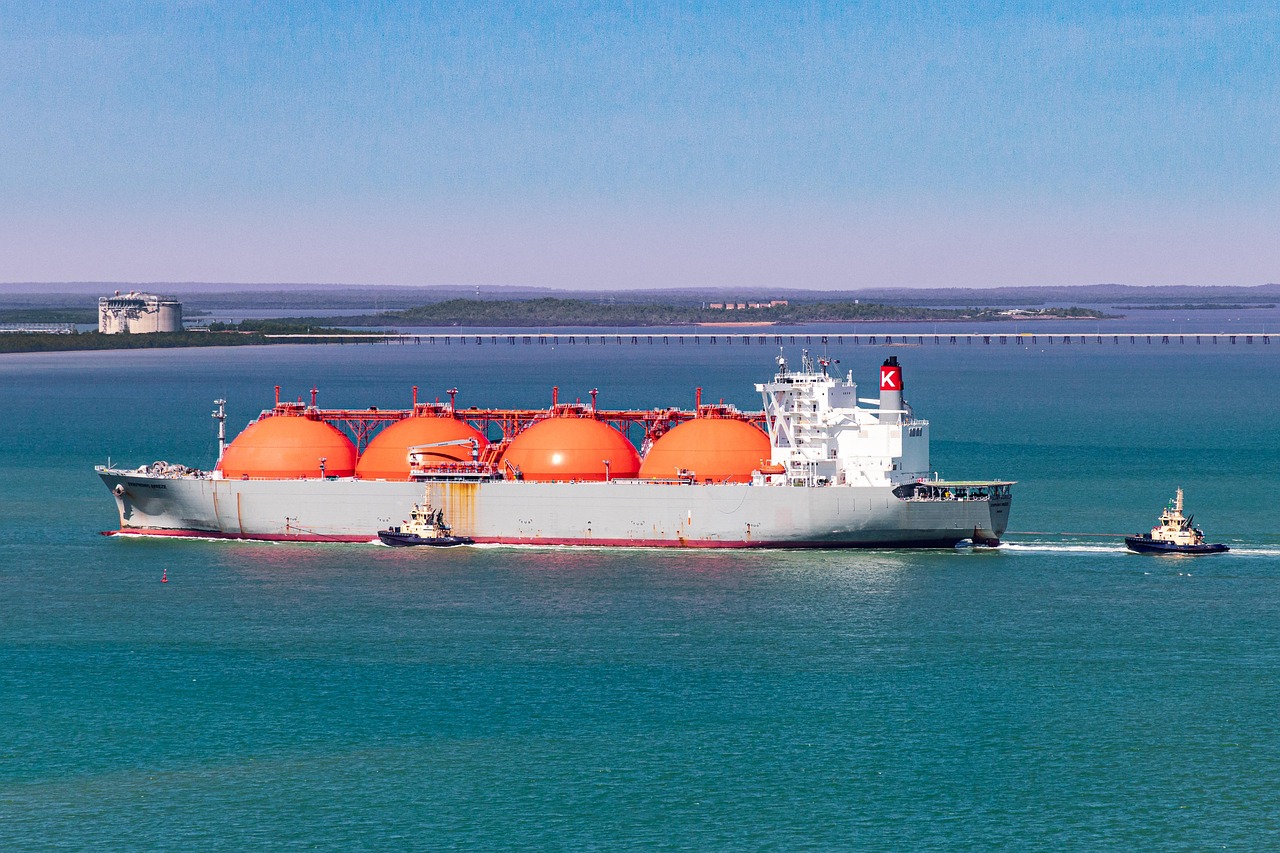
A liquefied natural gas tanker carrying a cargo for India cleared the Strait of Hormuz late Friday, Bloomberg reported, making it the first shipment of its kind for the country from the Gulf since the Iran war began months ago.
After weeks of headlines about tentative reopenings, the crossing gives traders an actual cargo movement to track. Bloomberg’s report points to Gulf suppliers still serving key buyers selectively, not declaring the route fully back in business. One laden vessel has made the passage for a major Asian buyer, and whether other cargoes can follow on similar terms is the more important test.
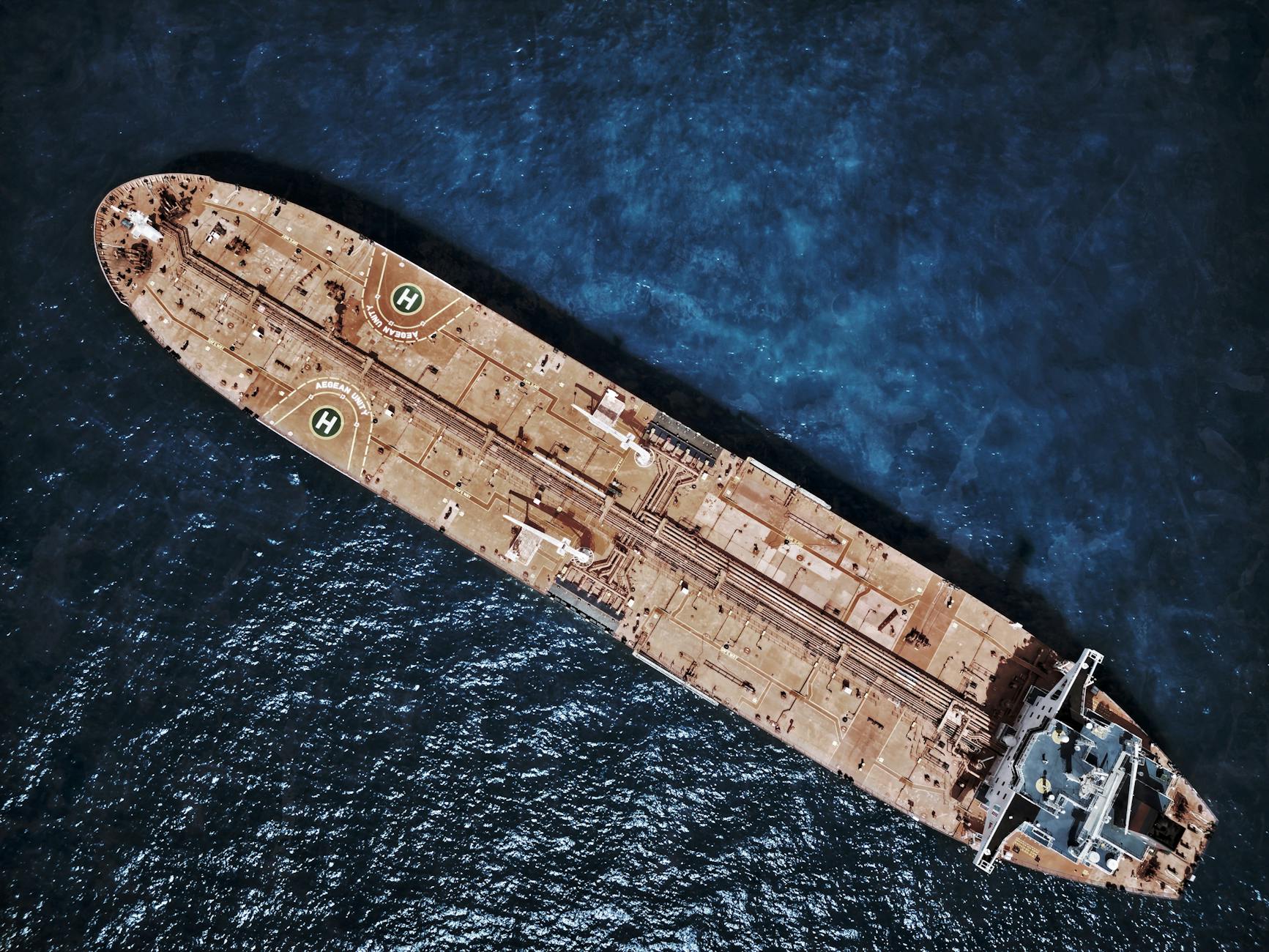
The tanker is the 136,357 cubic metre Mubaraz, managed by ADNOC Logistics & Services. Reuters cited ship-tracking data showing the vessel was last seen in the Gulf on March 30 before reappearing off India’s west coast. Reuters said the war began on February 28.
Alex Froley, a senior LNG analyst at ICIS, told Reuters that the transit should be seen as an early sign, not evidence that traffic through Hormuz has returned to normal.
“If the tanker has crossed, it would be a hopeful sign for the gas market, but only a very early one.”
— Alex Froley, ICIS, via Reuters
That caution matches the scale of the route. The Strait of Hormuz carries about one-fifth of the world’s oil supply. For India, the shipment suggests replacement volumes can still move through the region’s main choke point. For the wider LNG market, one completed transit gives traders, charterers and insurers something concrete to price, but it still falls short of a pattern.
Why buyers are watching
Reuters has separately shown that tanker traffic through Hormuz remains uneven, with crossings still treated more as exceptions than routine sailings. The market can draw some comfort from one cargo while still pricing the risk of delays, rerouting and higher insurance costs on the next few voyages.
ADNOC chief executive Sultan Al Jaber sketched a much longer timetable in comments reported by Reuters. On May 21, he said full oil flows would not return before the first or even second quarter of 2027. That suggests any recovery through Hormuz will be partial for some time.
“Full oil flows will not return before the first or even second quarter of 2027.”
— Sultan Al Jaber, ADNOC, via Reuters
The Mubaraz crossing is better read as a marker than a verdict. It shows Gulf gas can still reach Asia in some cases. It does not show freight risk has normalised, insurers have relaxed, or buyers can again treat the route as fully dependable.
Reza Najjar
Commodities desk covering oil, natural gas, gold and base metals. Reports from London.