IEA warns oil market could enter 'red zone' without Hormuz reopening
The IEA's warning points to a midsummer risk: reserve releases can cushion the first Hormuz shock, but not an extended squeeze into peak demand.
The International Energy Agency is warning that the oil market could enter a summer “red zone” if the Strait of Hormuz does not reopen fully, shifting the story from the first wartime spike in crude to the more dangerous question of endurance. For traders and analysts, the immediate jump in Brent matters less than the July-August window when seasonal demand peaks, inventories thin out and temporary supply bridges start to look less temporary.
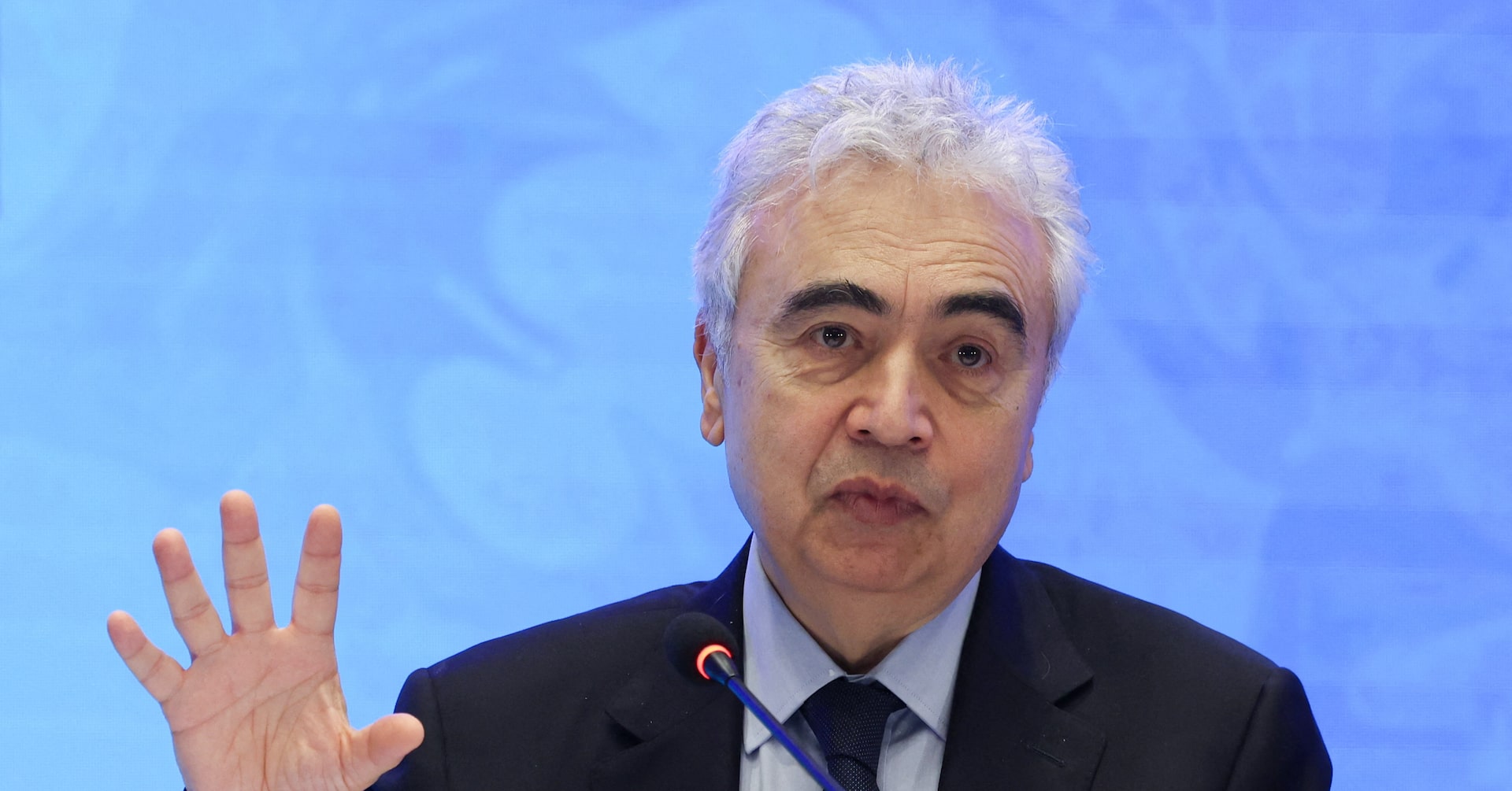
Markets still do not look panicked in the classic sense. Benchmarks can rally, fade and rally again, and on one recent session Brent settled at $106.92 a barrel and WTI at $100.59 even as the physical system remained under strain. The deeper issue is timing: Fatih Birol, the IEA’s executive director, told Reuters that a constrained Hormuz could push the market into a red zone by midsummer. The warning pulls attention away from daily futures noise and back toward barrels, shipping lanes and stock draws.
Skeptics, though, can point to a market that is still trying to balance itself. In an FT analysis of the Gulf crisis, the paper argued that oil futures still looked unexpectedly sanguine, a sign that investors either expect a diplomatic opening or believe weaker demand will do some of the balancing. That is the market’s counterargument to the IEA’s alarm. If consumers cut back, if refiners slow runs, or if Asia and Europe find more cargoes outside the Gulf, the shortage can be stretched out instead of crystallising into a straight-line spike.
How long the buffers last
Analysts start with how much cushioning is already in the system. According to Birol’s Reuters interview, the IEA has already released 400 million barrels from strategic reserves and is still feeding another 2.5 million to 3 million b/d into the market. That helps explain why this crisis has not yet produced the kind of uninterrupted vertical move that earlier oil shocks did. The first line of defence is real, and it is sizable.

Here the market signal turns from price to time. Reserve releases buy time, not resolution, and the same Reuters report made that point when Birol moved from today’s buffers to the summer calendar.
“We may be entering the red zone in July or August if we don’t see that there are some improvements in the situation.”
— Fatih Birol, Reuters
That shift from present tense to future tense is the core market signal. It says the danger is not that the system has already broken. It says the system is being asked to run hot through the heaviest travel period of the year while a chokepoint that normally handles a huge share of seaborne oil stays impaired. If 14 million b/d of Middle Eastern supply remains disrupted, the arithmetic hardens as the weeks pass. The buffer story does not disappear, but it becomes a decay story.
Rainforth’s framing sharpens the point. Barclays’ Lydia Rainforth told CNBC that the current disruption is historically large. What matters now is whether reserve barrels and rerouted cargoes can keep masking the strain into late summer, or whether the strain finally starts showing up in freight, refinery margins and refined products.
Why the market still looks calmer than the warning
Skeptics deserve space because they are not irrational. Oil markets often balance through demand destruction long before policymakers use up every emergency lever. In that reading, the IEA warning is less a prediction of imminent scarcity than a reminder that higher prices, slower consumption and cautious positioning can postpone the breaking point. The FT’s argument that history is full of futures markets underpricing geopolitical persistence fits that frame: calm screens do not mean calm fundamentals, but they do show that traders still see ways around the worst case.

Yet calm in futures does not refill inventories. It does not reopen Hormuz. It does not make reserve programmes infinite. It only means the market has not yet decided which balancing mechanism will do the heavy lifting. If the answer becomes weaker demand, that still carries an inflation and growth cost. If the answer becomes deeper stock draws, the market exits summer with a thinner safety margin.
“This is the largest supply outage that we’ve ever had.”
— Lydia Rainforth, CNBC
Bank forecast revisions are starting to sound more like regime changes than quick-event notes. The issue is not whether Brent has already risen enough. The issue is whether analysts who expected a quick diplomatic fix now have to model a longer disruption. A market can look orderly and still reprice structurally. That is the difference between a headline spike and a higher-for-longer regime: the first shocks sentiment, the second seeps into forecasts, hedges and corporate planning.
Another clue sits in the Reuters market coverage. Prices were able to close about 2 per cent lower on one session despite uncertainty over a US-Iran deal, according to Reuters. That is not evidence that the problem is solved. It is evidence that the market is trading the path of the disruption rather than pricing it as a one-day scare. A negotiated reopening of Hormuz would ease that pressure quickly; a longer squeeze would keep turning a headline shock into an inventory and inflation problem.
Reza Najjar
Commodities desk covering oil, natural gas, gold and base metals. Reports from London.