Iran oil stockpile tops 20M barrels as buyers hold back
Iran oil stockpile topped 20 million barrels as buyers held back after Doha talks, leaving stranded crude to cap rallies and keep supply risk alive.
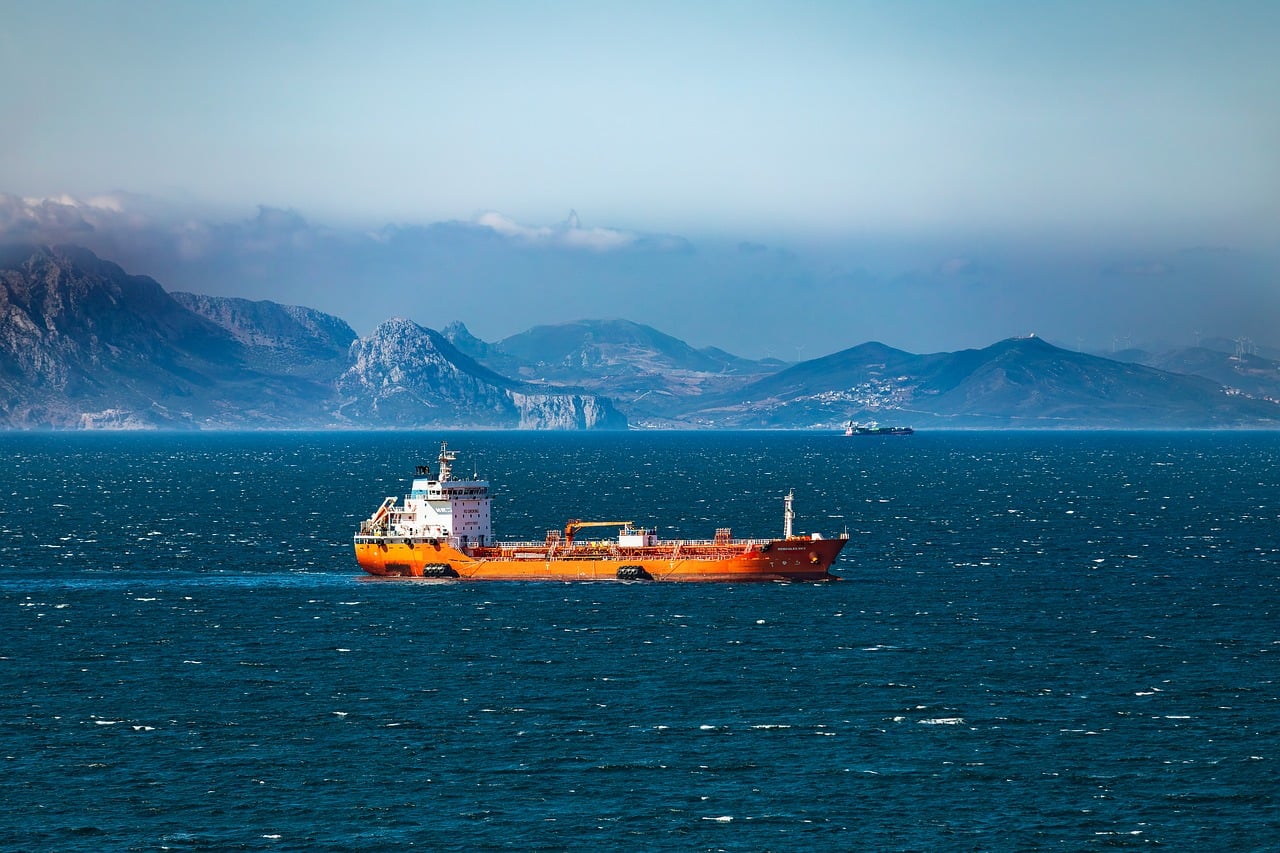
More than 20 million barrels of Iranian crude sat in Asian waters for at least seven days this week, according to Bloomberg Markets. Brent traded near $70.91 a barrel and West Texas Intermediate near $67.99 after U.S.-Iran talks in Doha eased immediate fears over Middle East supply. The gap is the story for oil traders: futures have shed part of the war premium, while the physical market is still not clearing cleanly.
Iran’s crude and condensate on the water has ranged from 58 million to 68 million barrels since Washington granted a 60-day waiver after last month’s ceasefire, Bloomberg said. More than 90 per cent of those cargoes had no clear destination, the report said. The pool of oil now hangs over the market before a mid-August deadline, when the temporary U.S. window could close if diplomacy stalls.
The waiver gave Tehran a rare chance to monetise cargoes without an immediate snapback in U.S. pressure. Bloomberg said the window runs for 60 days from the ceasefire. Refiners still have to decide who will finance, insure and settle those barrels if the diplomatic mood worsens before discharge.
That can be enough to freeze buying, even when discounts are tempting.
China’s June imports of Iranian crude fell to about 654,000 barrels a day after more than halving from May, Bloomberg reported. Indian state refiners were still waiting for payment clarity before returning to the market, according to the same report. The hesitation points to friction in physical demand and settlement as much as headline politics.
China has been the main outlet for sanctioned Iranian barrels for years. If that channel slows, cargoes have fewer obvious homes and deeper discounts become harder to avoid. Bloomberg said Tehran is trying to place crude before the waiver expires, a timetable that leaves little room for delayed paperwork, payment snags or ship transfers.
U.S. Treasury Secretary Scott Bessent said the narrow buyer base was still shaping the price Iran can get for its oil.
“No one other than China, who was already buying it when it was sanctioned, has bought it, so it’s still trading at a discount.”
— Scott Bessent, U.S. Treasury secretary
The discount helps explain why floating storage keeps building. A cargo without a firm buyer can sit at sea longer. It also becomes a visible gauge of how much commercial caution still surrounds the trade.
Why the barrels still matter
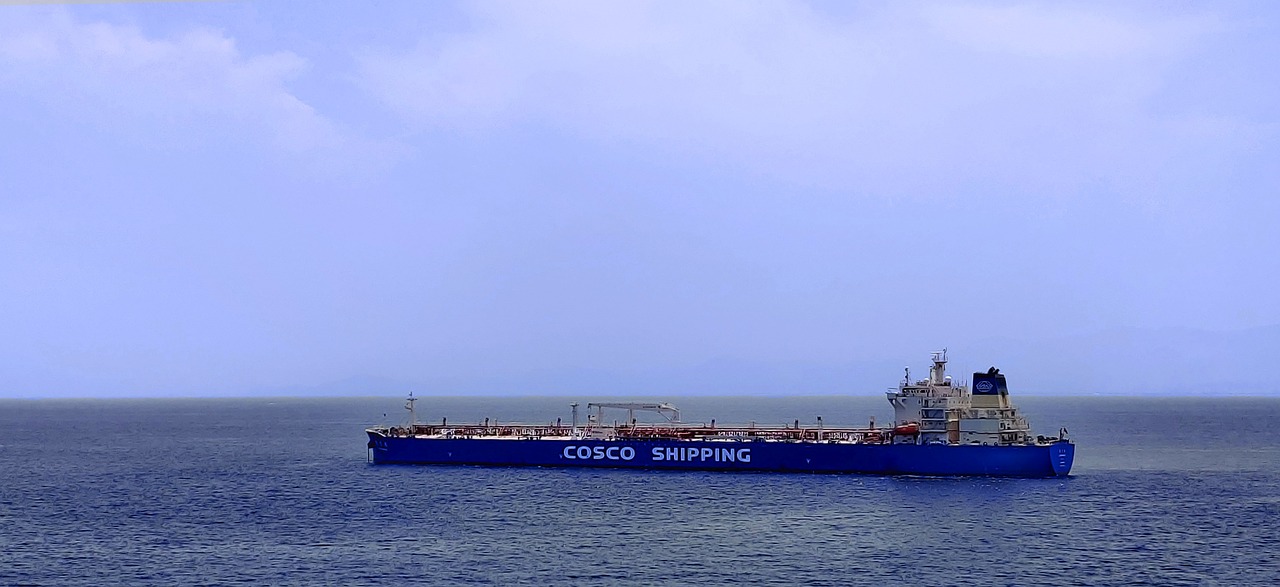
Several tankers were showing “for orders” or listing Singapore as their next port of call, Bloomberg said. That can point to ship-to-ship transfers or cargoes waiting near the Malacca Strait for a final buyer. Floating storage in oil markets feeds into tanker availability, voyage timing and the speed with which extra barrels can reach Asian refineries.
A tanker waiting off Singapore also says something about timing. Storage at sea can bridge paperwork gaps, but it slows the point at which barrels become usable supply. For refiners, a delayed cargo is not the same as prompt crude already nominated for discharge. Nearby prices can stay supported even when total supply on paper looks ample.
The diplomatic backdrop is still moving the screen price from session to session. Reuters reported that the Doha talks focused in part on traffic through the Strait of Hormuz, the corridor for roughly a fifth of global oil consumption. After the meetings, President Donald Trump said the denuclearization process was “moving along well,” according to CNBC. Oil had already wobbled earlier this week as traders weighed disrupted flows against the chance of a broader easing deal.
The market has shown how quickly that balance can swing. As Reuters’ price report noted, oil fell for a third straight day after the Doha talks concluded. CNBC said traders were heading toward a fourth straight weekly loss as diplomatic progress improved sentiment. Those moves sit in the futures curve. The floating stockpile shows whether physical buyers are prepared to act on that optimism.
The offshore pile matters even after crude lost some of its conflict premium. A pre-deadline clearance could restrain a sharp rebound by adding visible supply back into the regional system. Cargoes still stranded in mid-August would leave traders pricing tougher sanctions enforcement, fewer willing buyers and renewed pressure on flows near Hormuz.
For now, the market is getting relief on the headline and caution in the physical trade. Futures have slipped from their war highs, yet millions of barrels remain unsold offshore and without a clear destination. Until those cargoes move, Iran’s floating storage will act as a ceiling on oil’s upside and a reminder that supply risk has not disappeared.
Reza Najjar
Commodities desk covering oil, natural gas, gold and base metals. Reports from London.