Iran oil waiver leaves China key buyer as Asia stays full
Iran oil waiver leaves China as the main near-term buyer because Asian refiners are covered through August and have little room for extra crude.
Asian refiners have little room to add Iranian crude even after Washington issued a temporary US sanctions waiver, leaving China as the likeliest near-term buyer for any extra barrels, Reuters reported on Monday.
The policy shift is narrower than the headline suggests. The U.S. Office of Foreign Assets Control said Iran General License X runs through August 21, 2026, according to the Treasury notice, creating a legal path for some transactions. Refiners, though, had already covered much of their summer crude demand before the waiver arrived. For the oil market, the practical question is not just whether Iranian barrels can move, but which buyers still have tank space, credit lines and refinery demand.
That expiry date is doing a lot of work. Two months can matter for a buyer that is ready to lift cargoes, but it is a short window for refiners that have already set summer crude slates. One Indian refiner source told Reuters that most oil companies were covered until August and had bought what was available in the market. That is a commercial constraint, not just a sanctions one.
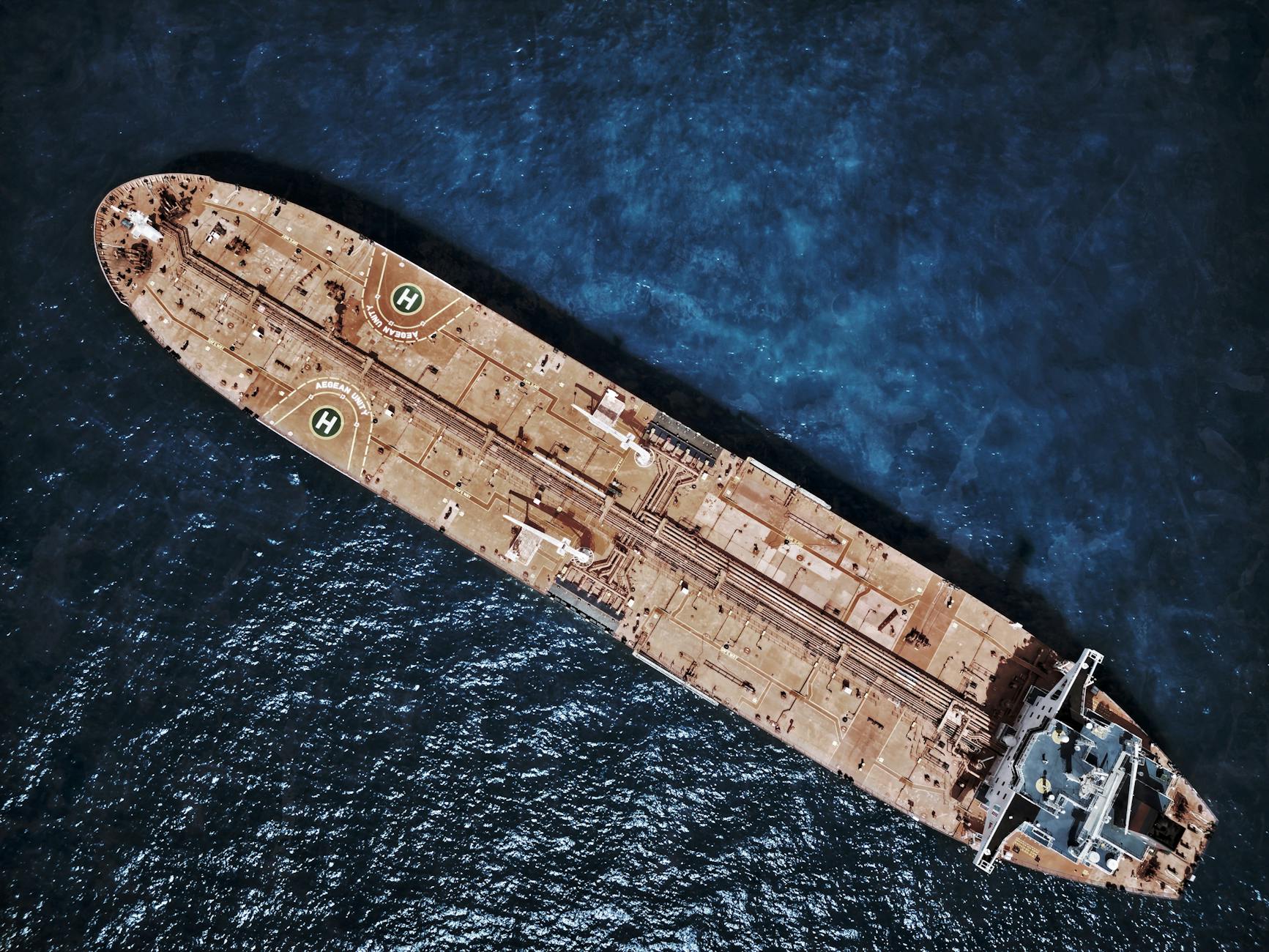
Floating supply gives the story its sharper edge. Vortexa data cited by Reuters showed 126 million barrels of Iranian crude on the water, with about half already in Asia. The volume climbed by 6 million barrels in 48 hours. A waiver can loosen the legal constraint; it cannot by itself create refinery runs or storage space.
Reuters said three Asian refiners last bought Iranian oil nearly a decade ago, a gap that points to how much the regional trade map has shifted. Sanctions relief can remove one obstacle. It does not instantly rebuild shipping habits or crude-slate preferences built around other suppliers.
Why China matters
Kpler analyst Sumit Ritolia said China was best placed to absorb the next barrels because its crude demand is less constrained than demand from other Asian buyers.
“With India’s crude supplies comfortable until August, the biggest beneficiary of any sanctions waiver on Iranian oil would likely be China, which needs crude for both processing and strategic stock replenishment.”
Sumit Ritolia, Kpler
That view fits the market structure described in Reuters’ reporting. China can still matter even if the waiver does not bring a broad Asian return to Iranian oil. If refiners there pull cargoes from offshore storage, Tehran gets an immediate outlet. If they hold back, the waiver may look more diplomatic than commercial before it expires.
The timing also intersects with shipping conditions around the Gulf. Iran said it would establish a communication line for safe passage through the Strait of Hormuz, a sign that the post-conflict reset is moving from diplomacy into logistics. Smoother transit still does not guarantee a demand response from refiners that are already supplied.
For oil traders, the cleaner signal is whether China draws down floating cargoes before August 21. The waiver reopens optionality for Iranian exports, but the pace of any recovery depends on refinery balances and on one buyer with enough room to move.
Reza Najjar
Commodities desk covering oil, natural gas, gold and base metals. Reports from London.