Renminbi oil trade 2026: Iran war reroutes Hormuz flows
Renminbi oil trade is getting a live stress test as the Iran war reroutes crude flows, lifts CIPS volumes and exposes the yuan's limits.
Renminbi settlement is getting its clearest wartime trial yet as the Iran conflict scrambles crude flows through the Strait of Hormuz and pushes more of China’s oil trade onto payment rails built for sanctions-era commerce. Average daily value on China’s Cross-Border Interbank Payment System, or CIPS, reached Rmb920.5bn ($135.7bn) in March, and briefly touched Rmb1.22tn across almost 42,000 transactions in a day.
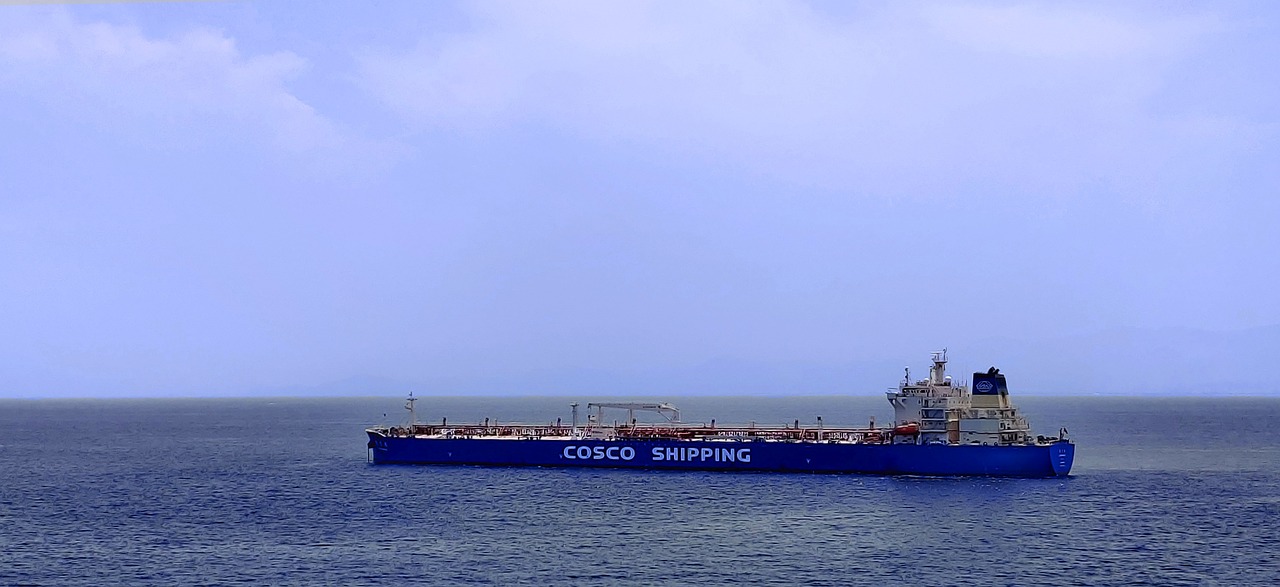
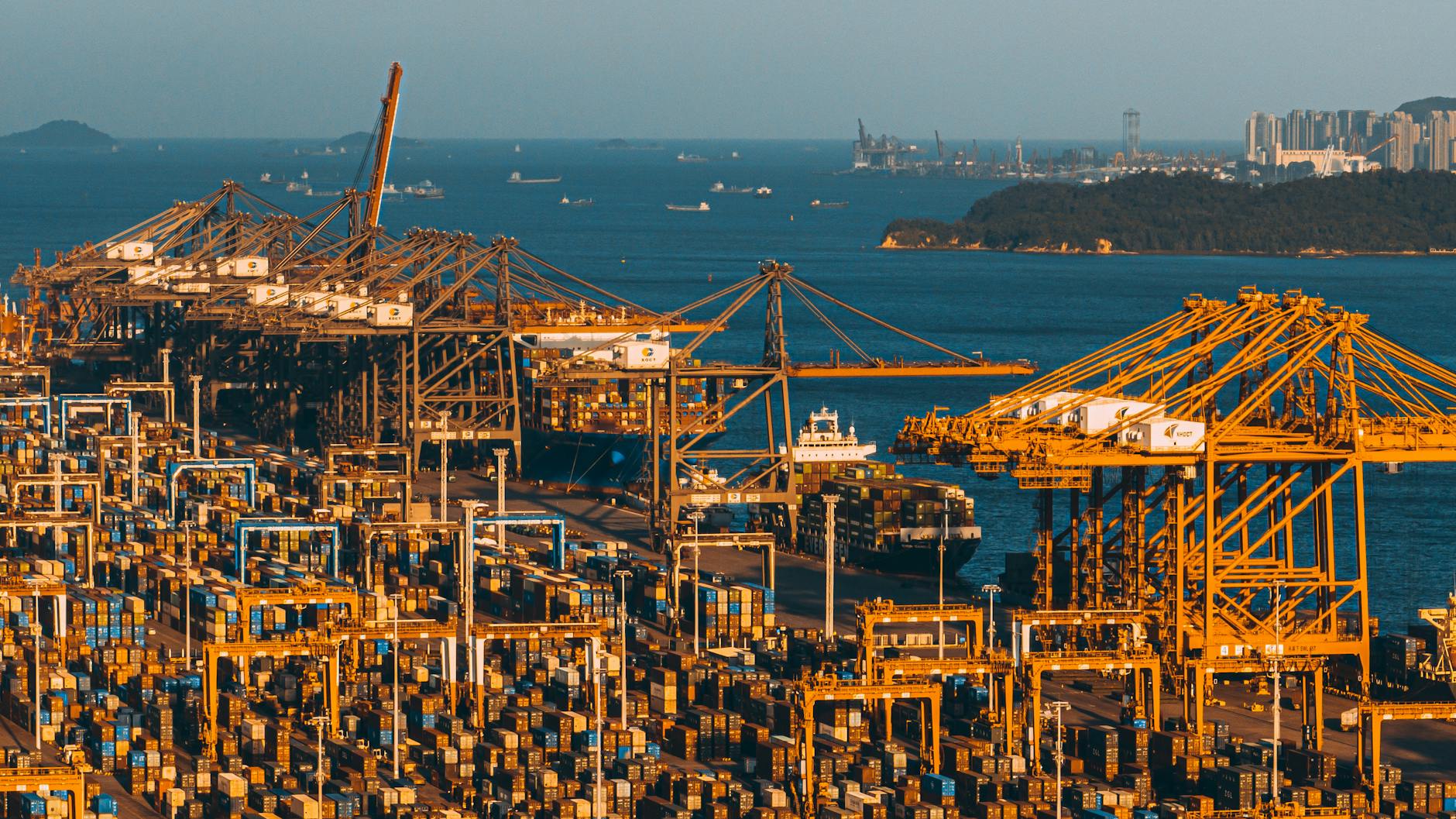
Pressure on the shipping route matters here. Reuters reported that Chinese state refiners cut throughput to 8.4 million barrels a day in May, down from 9.5 million in March and roughly 10 million before the war. In a separate Reuters report on imports and inventories, March and April showed a combined 246 million-barrel global inventory draw. Physical stress is arriving before any formal monetary redesign.
Yet the analyst view is less dramatic than the wartime rhetoric. The same Financial Times reporting that captured the surge also put the renminbi’s share of global oil trade at just 3 to 8 per cent, citing GMF Research, while JPMorgan estimated the dollar still handles about 80 per cent. That is the right frame for investors. This is a live market-structure test, not a clean break in reserve-currency hierarchy.
From Beijing’s perspective, the opening is practical rather than ideological. If sanctions lock producers out of dollar clearing, and if Hormuz risk forces buyers and sellers to improvise, the renminbi does not need to replace the dollar everywhere. It only needs to work reliably in enough bilateral trades to become harder to reverse.
As the Financial Times reported, Bert Hofman of the East Asian Institute at the National University of Singapore put the sanctions logic bluntly:
“There must be an increasing trade in renminbi because it’s the only way that Russia can do business.”
— Bert Hofman, cited by the Financial Times
That line lands because it answers the insider’s first question: what payment channel gets used when the default one is blocked? In the Iran war, the immediate case for the renminbi is not prestige. It is functionality.
How the payment rails are changing
Across Asia’s crude market, the war is changing settlement incentives faster than it is changing reserve preferences. China remains the world’s largest oil importer, Russia and Iran remain sellers with reasons to avoid dollar dependence, and Saudi Arabia is being watched for signs that more bilateral trade with China can be invoiced or settled in renminbi without a public political declaration.
Consider the sequence. Shipping risk lifts the value of flexible settlement. Sanctions make traditional dollar routes harder to use. Chinese buyers still need barrels, but refiners also need margin protection and predictable payment. That combination is why the “golden window” language matters. It describes a temporary period in which trade finance can adapt under pressure before diplomacy catches up.
Traders are already seeing the physical side of that pressure. Chinese refinery runs have fallen, import patterns have shifted and alternative routes are getting more attention. A CNBC report on the revived Russia gas pipeline discussion made the same point in another form: the Iran war is reordering Asian energy logistics before it settles any larger geopolitical argument. Money follows those rerouted molecules.
Beijing’s advantage is that it can push more renminbi into commodity trade without first opening the whole capital account. CIPS, offshore clearing banks, swap lines and controlled pools of liquidity can carry a surprising amount of trade if the purpose is narrow enough. A sanctioned cargo does not require a universal reserve system. It requires a channel that clears.
As the Financial Times reported, Chi Lo, a senior market strategist at BNP Paribas Asset Management, framed the oil side this way:
“Public information shows that Russia and Iran are key oil producers using the renminbi due to sanctions, but Saudi Arabia is seen increasingly using the renminbi for bilateral trading with China.”
— Chi Lo, BNP Paribas Asset Management, cited by the Financial Times
Seen through the regulator-policy lens, that is the bigger challenge for Washington. Alternative settlement rails do not need to dethrone the dollar to weaken sanctions leverage. They only need to make some trades harder to police. Atlantic Council analysis and a separate Diplomat analysis on China and Iran sanctions both point to the same tactical reality: shadow channels, controlled accounts and non-dollar settlement can blunt pressure even while the formal system stays dollar-led.
Why the dollar still dominates
Skeptics, however, are asking the right second-order question. Does a spike in CIPS turnover actually isolate oil flows, or does it only show that more cross-border renminbi business is passing through the system? The answer is closer to the second. CIPS is evidence that the infrastructure works under stress. It is not proof that a large share of the oil market has already switched currencies.
A Banque de France working paper helps explain the limit. Renminbi internationalisation can advance in trade settlement while still stalling in finance if capital controls stay tight, hedging tools stay thinner than dollar markets and foreign investors cannot move freely between trade balances and deep safe assets. Oil exporters may accept more renminbi for some cargoes. That does not mean they want to keep large strategic reserves in renminbi, or fund global portfolios with it.
CIPS also remains small beside the western architecture it is supposed to complement, and eventually challenge. Benn Steil, the Council on Foreign Relations senior fellow, made that point in the same Financial Times report:
“Cips still processes a much smaller share of transactions compared with western architecture.”
— Benn Steil, Council on Foreign Relations, cited by the Financial Times
For oil markets, that caveat matters more than the headline surge. Currency regime change usually lags trade disruption. First come rerouted cargoes, altered refinery runs, emergency stock draws and new workarounds. Only later, if the crisis lasts, do treasurers, central banks and state energy groups hard-code those workarounds into normal practice.
Another way to put it is that the Iran war is changing flows faster than it is changing trust. A Semafor report on infrastructure projects designed to bypass Hormuz underlines the point on the logistics side. Market participants are spending first on redundancy, bypass capacity and optionality. Currency substitution travels on the same logic, but much more slowly.
For Beijing, that still counts as progress. A move from 3 to 8 per cent of global oil trade in renminbi is not enough to threaten the dollar’s 80 per cent share. It is enough to create habit, deepen bilateral liquidity and make future sanctions less absolute than they look on paper. That is why the current opening should be read as a proof-of-concept phase for the petroyuan rather than a coronation.
If diplomacy cools the war and Hormuz traffic normalises, some of this momentum will fade with it. The tactical case for emergency currency flexibility weakens when insurance costs fall and payment channels reopen. Even then, the trial run will have left a mark. China will have shown that, under real stress, more oil can clear in renminbi than years of summit rhetoric alone ever achieved.
Sloane Carrington
Markets columnist. Analytical pieces and deep-dives on monetary policy, capital flows and corporate strategy. Reports from New York.