China oil refiners cut output as imports plunge
China oil refiners cut output to a near four-year low after May crude imports fell 29 per cent, testing Asia's demand outlook.
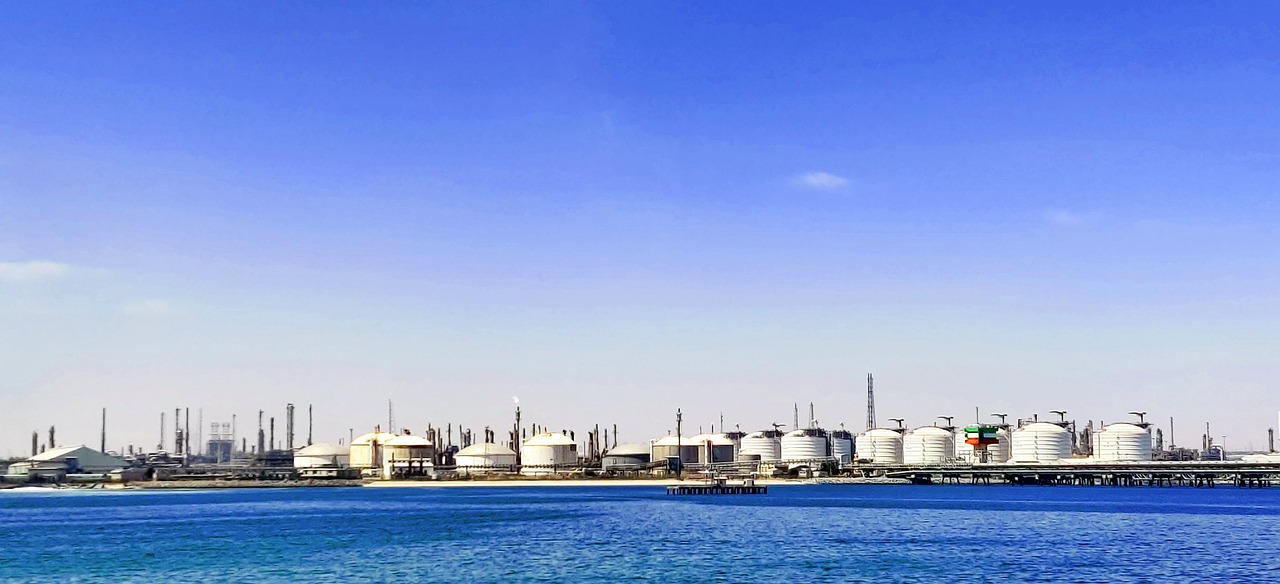
Chinese refiners reduced crude processing to the weakest level in almost four years in May after imports fell to an eight-year low, Bloomberg reported on Tuesday. The data point to damage in physical flows that outlasted the first relief rally after the Gulf supply shock.
China is the world’s largest crude importer, so its refinery runs are a live test of whether surplus barrels can clear. Futures traders focused on freer supply through the Strait of Hormuz after the diplomatic deal. The plant data were less tidy: refiners were still buying less, and in some cases running less, after cargo disruption collided with weak margins.
Kpler forecast China’s May seaborne crude imports at 6.451 million barrels a day, the lowest in a decade, according to separate Reuters reporting this month. Reuters also cited estimates showing refiners drawing on commercial inventories at about 1 million barrels a day in early May, after stockpiles rose by roughly 70 million barrels over the first four months of 2026.
That cushion gave processors a way to avoid the spot market when delayed cargoes met poor plant economics. They could pull from tanks and let throughput fall rather than bid for expensive barrels. For oil traders, it makes the usual demand response to cheaper crude look softer.
Ye Lin, a senior analyst at Rystad Energy, described the drawdown as a response to weak margins.
“China is allowing inventories to draw down gradually rather than bidding aggressively into a tight market - a choice that makes sense given how deeply negative margins have become.”
Ye Lin, Rystad Energy, via Reuters
The margin squeeze added another brake. Analysts and trade data cited by Reuters put losses for processing crude at 600 yuan to 1,300 yuan per metric ton, depending on refinery type and product slate. Cheaper crude does not automatically lift refinery runs if demand for diesel, gasoline and other products stays soft.
Fuel consumption is the other pressure point. In a separate Reuters analysis, China’s May oil imports were put at 7.8 million barrels a day, down 29 per cent. JP Morgan analysts said consumers and businesses had adjusted to higher prices and disrupted supply rather than waiting for a quick rebound.
“It looks like consumers have made a quiet economic choice.”
JP Morgan analysts, via Reuters
Margins force the adjustment
The paper market is moving faster than the refinery gate. Morgan Stanley cut oil forecasts after the Hormuz deal revived expectations of more available supply, while Middle East physical markets weakened on optimism that regional flows could normalise. That view treats the supply shock as temporary.
Goldman Sachs had sounded a more cautious note earlier in the month, with Reuters reporting that the bank saw a large hit to global oil demand and risks to its price forecasts. For China, the warning is now less abstract. A transport shock can fade from the headlines while refiners are left with lower runs, weak margins and stockpiles to draw down.
Michal Meidan, research head at the Oxford Institute for Energy Studies, told Reuters that China had scope to keep processing rates below normal while using inventories as a buffer.
“China can sustain a 5% run cut versus the five-year average”
Michal Meidan, Oxford Institute for Energy Studies, via Reuters
For traders, the operational read now sits beside the diplomatic one. Normal cargo flows and better margins could lift imports from the May trough and restore part of China’s pull on global supply. Persistently soft product demand would point the other way, with refiners keeping plants below the five-year average and drawing down stocks rather than chasing barrels.
Price support therefore looks narrower than the post-deal move in supply expectations suggested. Ships can move again. Refiners still have to want the crude once it arrives.
Reza Najjar
Commodities desk covering oil, natural gas, gold and base metals. Reports from London.