Brent oil tops $85 as Hormuz fight revives inflation fears
Brent oil rose above $85 a barrel as fighting around the Strait of Hormuz and a proposed transit fee revived inflation fears across markets.
Brent crude climbed above $85 a barrel on Tuesday and reached $86.15 at the session high, after renewed fighting around the Strait of Hormuz put a supply premium back into oil trading. The contract rose as much as 3.4 per cent, according to Guardian Business live market coverage. That was enough to pull inflation risk back into view, not only the latest military headlines.
The pressure spread beyond crude. The Financial Times said higher oil prices were weighing on stocks and bonds as investors reconsidered how quickly a fresh Middle East flare-up could reach consumer prices, freight costs and the interest-rate path. Hormuz is again a macro market problem because energy is one route through which the conflict can reach portfolios.
Trump added a separate cost risk when he floated a 20 per cent fee on cargoes passing through the Strait of Hormuz. CNBC reported that Andy Lipow of Lipow Oil Associates estimated the charge could add roughly $16 a barrel to oil shipped through the waterway. For buyers, that would be a transit tax on top of the security premium already embedded in prices.
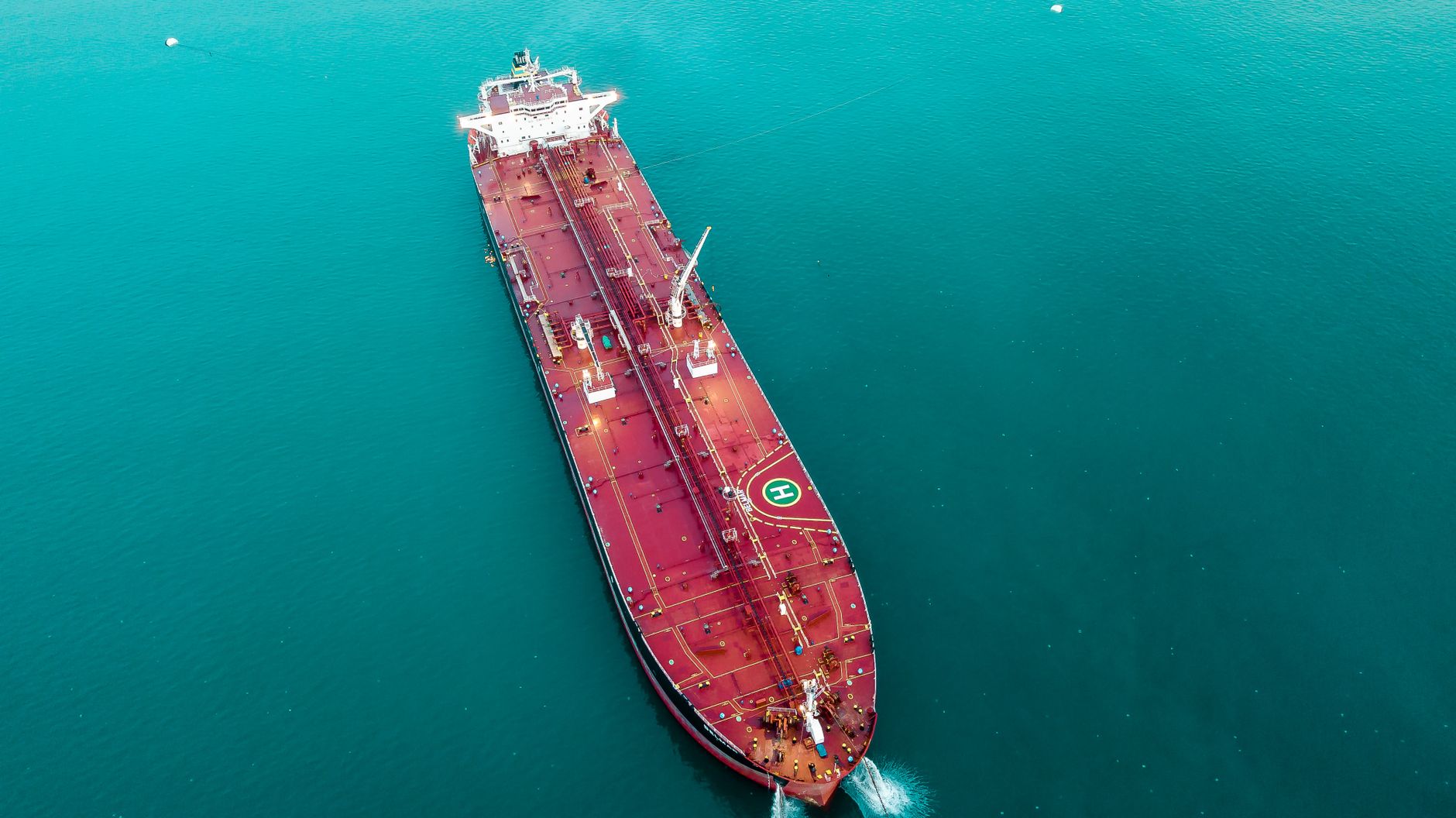
Kpler data showed confirmed Hormuz crossings between July 10 and July 12 fell 52 per cent from a week earlier, according to CNBC’s broader report on the Gulf strikes. Fewer transits are not the same as a supply outage. Still, even a brief hesitation by shipowners can force refiners, tanker companies and insurers to reprice flows through a chokepoint that carries about a fifth of the world’s oil and gas.
How traders read the move
Oil had already started to turn higher after last week’s ceasefire breakdown. MarketWatch reported on July 8 that crude posted its biggest jump in two months after Trump suggested the U.S.-Iran ceasefire was over, while a July 7 MarketWatch report tied an earlier rise to Washington’s move against Iran’s oil-selling licence. Brent’s return through $85 shows investors are less willing to treat the premium as a one-session burst that fades by the next open.
Andreas Lipkow, chief market analyst at CMC Markets, said the market was responding to inflation risk, not just tanker headlines.
“That distinction matters because markets have become increasingly comfortable with the view that the worst of the inflation shock is behind us.”
— Andreas Lipkow, CMC Markets, via MarketWatch
If crude holds near these levels, that comfort is tested first in bond markets and then in rate-cut expectations. Energy is still one of the fastest routes for a regional conflict to show up in headline inflation.
Patrick Munnelly, a partner at TickMill, made a similar point in comments carried by MarketWatch, saying the market was no longer simply pricing tanker flows or surplus risk. The next questions are more practical: whether physical cargoes keep moving, whether war-risk insurance widens again and whether Asian buyers have to pay more for replacement barrels.
But the politics still matter. Trump said cargoes would move “with or without Iran” in comments carried by the Guardian’s live blog, a line that fits the White House message. Traders still have to price the gap between the statement and execution, especially if a proposed transit fee, thinner vessel traffic and higher insurance costs tighten the market before any outright closure is tested.
For central banks and equity traders, Brent above $85 does not guarantee a second inflation wave. It does reopen a channel markets had started to close. If crossings recover and the fee idea fades, crude can give back the risk premium quickly. If traffic stays thin and transit costs climb, the Hormuz story becomes a cross-asset pricing problem again.
Reza Najjar
Commodities desk covering oil, natural gas, gold and base metals. Reports from London.