Deutsche, UniCredit sue Linde over Russia sanctions losses
Deutsche and UniCredit are suing Linde over Russia sanctions losses, testing whether banks can recover seized assets from a corporate client.
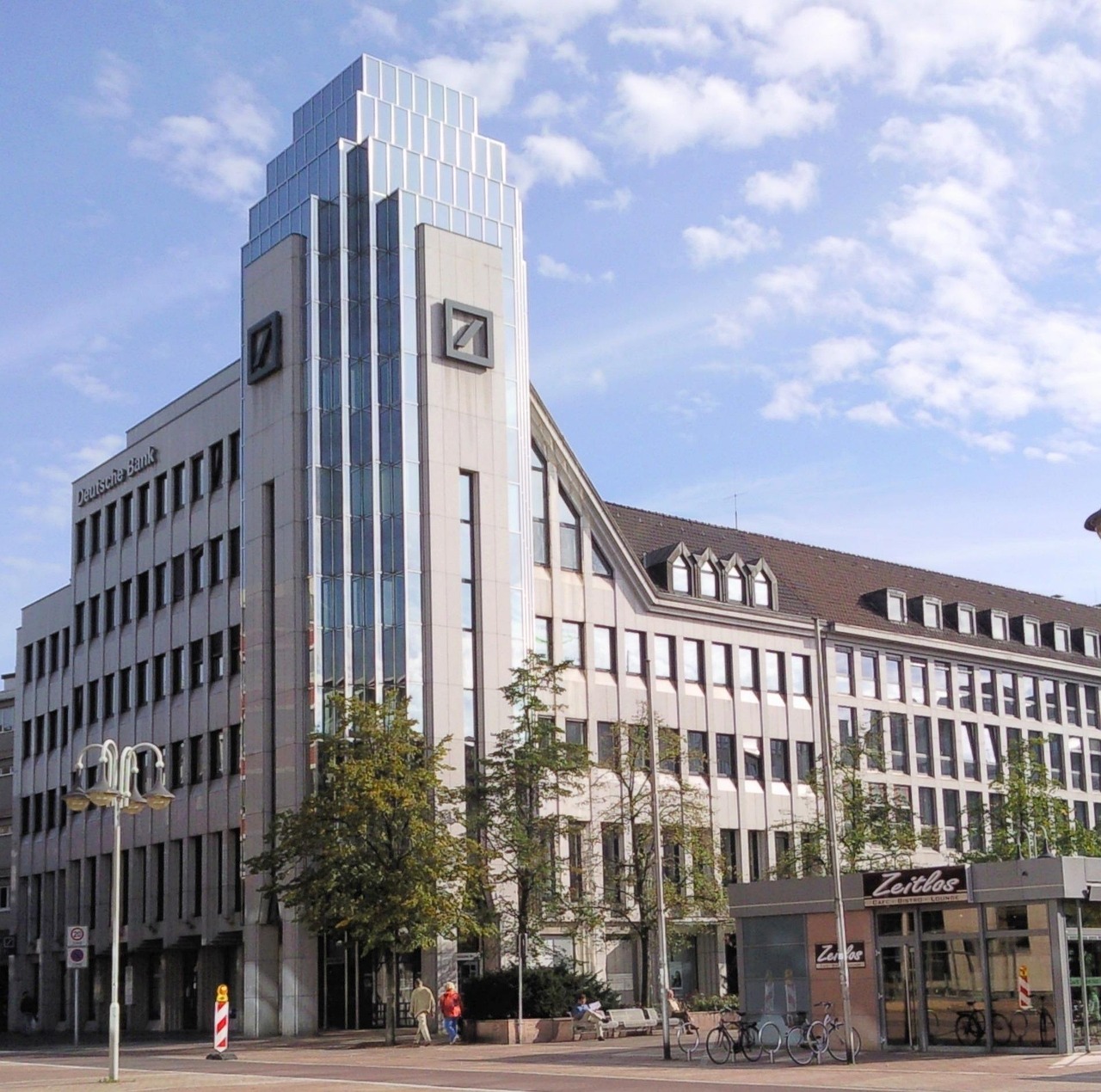
Deutsche Bank and UniCredit have sued Linde over about €720 million of Russia-related losses, the Financial Times reported on Monday. The case could decide whether lenders recover money seized after sanctions left project guarantees nearly unusable. It also asks who pays when western legal duties block performance and Russian courts keep enforcing the old contract.
The FT said Deutsche is seeking about €260 million and UniCredit about €460 million after Russian proceedings tied to a stalled gas project left both banks exposed. Put another way, the lenders want the loss treated as a client claim, not as a sanctions write-down that stays on their own balance sheets.
The dispute traces back to a €10 billion gas-processing venture backed by RusChemAlliance, with a €2 billion advance payment at issue, according to Reuters’ reporting on the UniCredit case. Linde’s exit from Russia did not unwind the financing built around the project. Guarantees, advance payments and enforcement claims kept moving through courts, leaving the banks and the industrial group to fight over the cost of a deal that could not proceed.
The balance-sheet hit was clear by 2024. Russian courts seized €238.6 million of Deutsche Bank assets, and the lender said it had provisioned around €260 million, Reuters reported. In a related case, Russian proceedings led to the seizure of €463 million of UniCredit assets. Those figures are the lawsuit’s working capital: hundreds of millions of euros that the banks are trying to move back up the contractual chain.
Why the case matters
The legal backdrop gives the dispute a reach beyond one industrial contract. A related fight over guarantee enforcement has already reached the UK Supreme Court in UniCredit Bank GmbH v RusChemAlliance. The current claim turns on forum, enforceability and responsibility when sanctions block payment on one side and Russian courts punish non-payment on the other.
The strain was plain when Russian courts moved against Deutsche Bank’s assets last year. In the Reuters report on the seizure, the bank said:
“Once we have received the complete court decision, we will analyze it and decide on further steps.”
— Deutsche Bank, Reuters
That procedural line pointed to a practical problem. Deutsche had already provisioned for the hit, but still had to see how a Russian order would be applied on the ground. The new lawsuit narrows the question to whether part of the damage belongs with Linde, rather than with the banks as a geopolitical cost of doing business in Russia.
Investors, for now, have not treated the case as a stand-alone crisis for either lender. Deutsche Bank shares last traded at $35.77, up 13.2 per cent over three months, while UniCredit shares were at €82.97, up 24.1 per cent over the same period, according to Yahoo Finance. The share moves point to a manageable legal overhang beside capital, earnings and rate-cycle drivers. A ruling that clarifies client recourse in sanctions-hit projects could still affect how banks price similar guarantees in cross-border deals.
Bank guarantees usually sit behind the main contract in big industrial projects. Here they moved to the centre because sanctions compliance, Linde’s exit and Russian countermeasures pulled the underlying deal apart without settling who still owed whom. Future cross-border energy and industrial contracts may carry tighter sanctions clauses, indemnities and venue language if banks decide they need cleaner routes to recover losses from corporate clients.
For Linde, the risk is that a Russia exit does not end with walking away from a project and taking an impairment. For the banks, the case argues that sanctions did not erase the client’s economic responsibility just because the payment route broke down. The litigation is becoming a test of where western courts place the cost when sanctions compliance, Russian countermeasures and pre-war financing promises collide.
Tomás Iglesias
Financial regulation and legal affairs. SEC, CFTC, FCA, market-structure and enforcement. Reports from Washington.