Commerzbank payout hardens defense against UniCredit
Commerzbank uses a €2.7 billion capital return and a stronger share price to weaken UniCredit's case for a takeover.
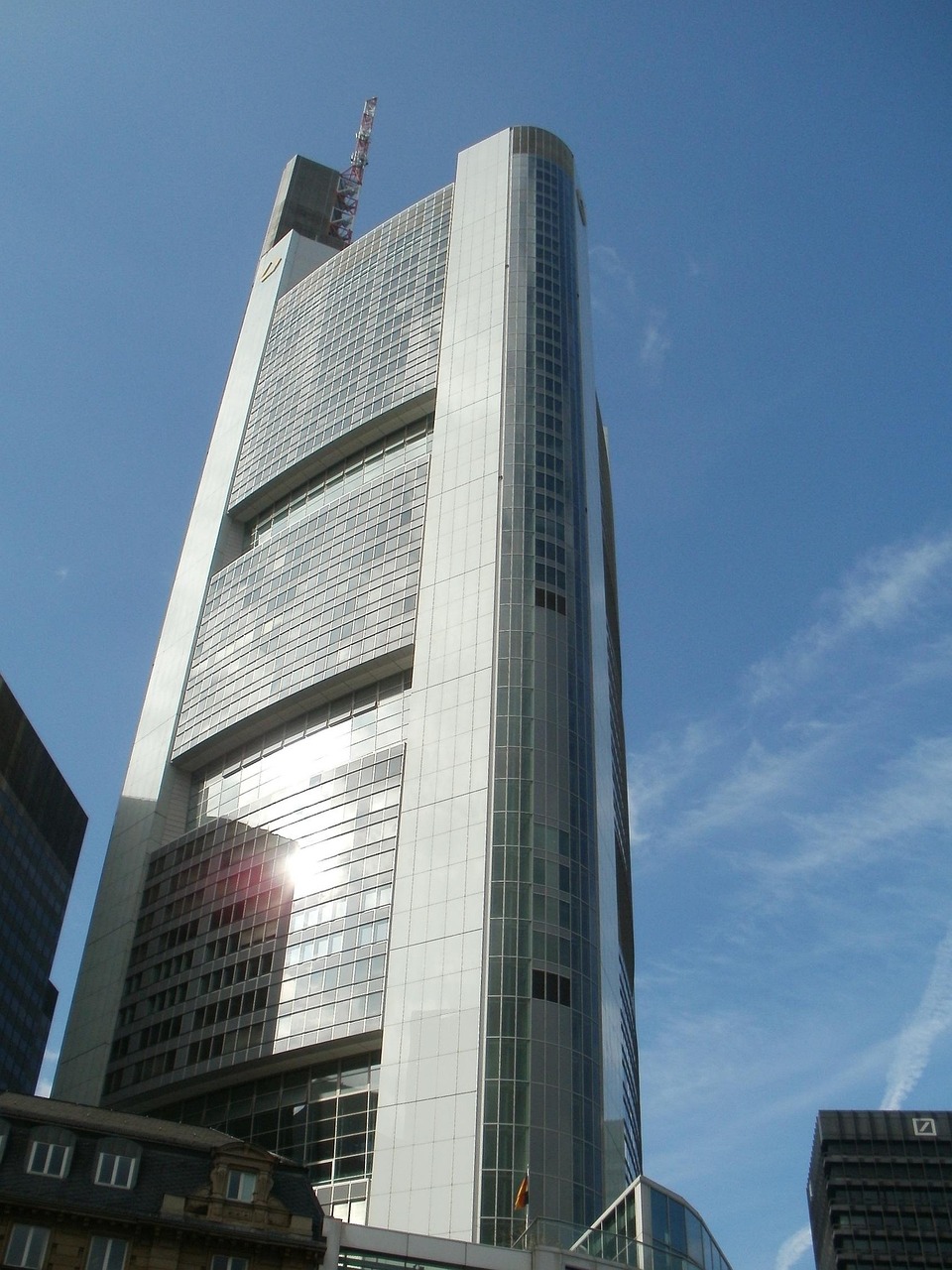
Commerzbank is using a record €2.7 billion capital return to fortify its defence against UniCredit’s cross-border offer, telling shareholders at this week’s annual meeting that the richer payout strengthens the case for staying independent. The package includes a €1.10 dividend per share and buybacks that take total cash returned for the 2025 financial year to about €2.7 billion.
For shareholders, the calculation is straightforward: the stronger the standalone payout, the less reason there is to exchange their stock for paper that still values Commerzbank below the market.
That case looks firmer now than it did when Commerzbank formally rejected UniCredit’s offer last week. Boards can say a bid is too low; investors decide whether to tender. The first acceptance period drew only 0.02 per cent of shares, according to market data cited in a syndicated report carried by ad-hoc-news.de, a sign UniCredit has yet to translate its strategic logic into shareholder support.
The annual meeting suggested the message is landing. The Financial Times reported that shareholders, after years of leaner returns, applauded the larger capital package.
In a hostile banking deal, that matters. A bidder can build a stake, but it still needs investors to conclude that the exchange offer is better than waiting for a bank that is paying out more cash and still improving its earnings outlook.
Chief executive Bettina Orlopp made the valuation argument directly. In remarks published on Commerzbank’s AGM site, she said the proposal “does not reflect the fundamental value of Commerzbank and provides de facto no premium to Commerzbank’s shareholders.” The dispute is no longer only about UniCredit’s view that Europe needs larger cross-border banks. It is also about whether this exchange ratio is rich enough to dislodge holders from a standalone story that keeps getting stronger.
Commerzbank has fresh figures to support that claim. In first-quarter results this month, the bank said operating profit rose 11 per cent to €1.4 billion and lifted its 2026 net profit target to at least €3.4 billion. Supervisory board chair Jens Weidmann told shareholders that “Commerzbank’s strategy continues to deliver.” Those results give management more than a political argument. They let the bank say investors can get higher returns without taking merger risk.
Why the bid looks thin
The market is already testing that proposition. UniCredit’s offer implied a value of about €34.56 a share, against Commerzbank’s Friday close of €36.16, according to the same market report carried by ad-hoc-news.de.
That gap matters. When a target trades above the bidder’s paper, shareholders can wait in the market for a sweeter proposal while keeping exposure to any improved offer. The capital return package therefore looks less like window dressing than another reason not to tender early.
UniCredit has not changed its rationale. When the Italian bank launched the offer earlier this month, chief executive Andrea Orcel said in Reuters’ report on the bid that “By our very presence, we are promoting an improvement of Commerzbank.” His case is that larger cross-border lenders are more competitive in Europe and that a large shareholder can force faster change even before a deal closes. Commerzbank is making the opposite case: it is already improving, and shareholders do not need to give up control at a discount to share in that upside.
Resistance has spread beyond management. Reuters reported from the annual meeting that workers protested UniCredit’s approach and that investors and board members backed Commerzbank’s independence strategy. That does not rule out a transaction, but it does make the fight slower, costlier and more political in a sector where jobs, domestic lending capacity and regulatory influence carry almost as much weight as merger arithmetic.
For now, payout and price remain the pressure points. A €2.7 billion capital return, a €1.10 dividend and a profit target of at least €3.4 billion give shareholders more reason to wait. Unless UniCredit closes the gap between its implied value and Commerzbank’s market price, the bid risks looking less like an unavoidable consolidation play than an underpriced offer for a bank whose standalone case is strengthening.
Naomi Voss
Banks and deals reporter covering bank earnings, fintech, M&A and IPOs. Reports from New York.