Freedom Fuel gas prices: how $3.479 stations undercut rivals
Freedom Fuel gas prices at $3.479 a gallon are pulling drivers in Pennsylvania and New Jersey while rivals question how the stations sustain them.
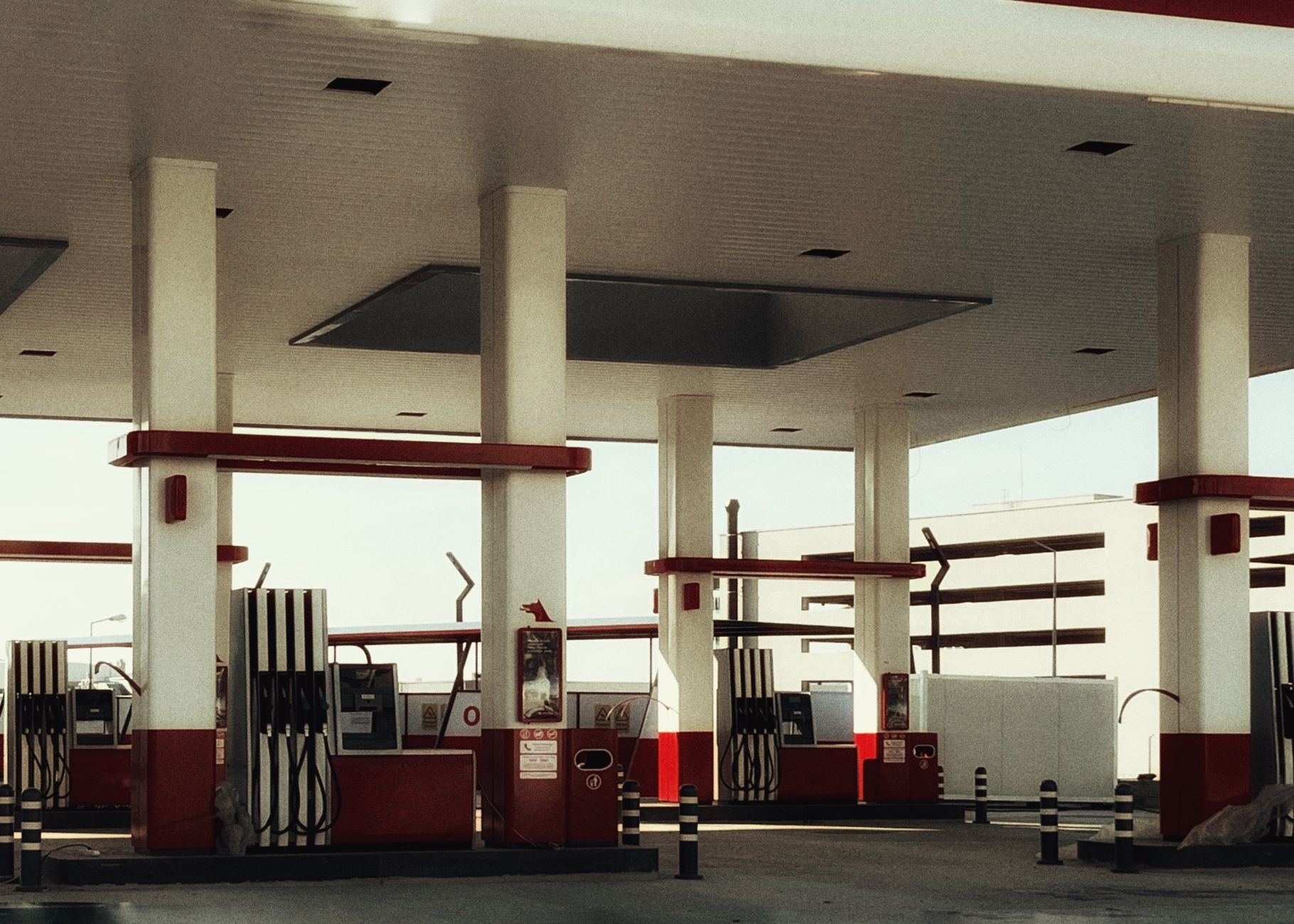
Freedom Fuel stations are selling gasoline for $3.479 a gallon at 25 sites in Pennsylvania and New Jersey, putting the posted price 51.1 cents below Pennsylvania’s $3.99 average and 36.7 cents under the $3.8460 national average cited by AAA. The discount has turned a politically branded launch into a retail-fuel story: drivers can see the savings at the pump, while the economics behind the offer are still not clear in CNN’s reporting.
Search interest around Freedom Fuel rose as the network moved beyond a single forecourt. Fast Company’s location roundup said the chain had identified 25 stations across the two states, enough to matter for nearby independents rather than read as a one-site promotion. For commodities readers, the important question is not the branding. It is whether a retailer can keep posting a sub-market pump price without showing a supply edge or a funding source.
The White House amplified the rollout with a video post celebrating the network. A spokesperson later told CNN that the administration had no ownership role and had provided no funding. That denial closes off one theory, but it does not answer the market question: how are the stations pricing fuel so far below nearby peers day after day?
Industry attention has shifted from the politics to the math of retail gasoline. Jeff Lenard, a spokesperson for the National Association of Convenience Stores, told CNN that a normal fuel retailer still has to cover wholesale costs, transport, labour and forecourt overhead before it can use a low pump price to draw store traffic.
“There’s no way those stations could operate the way a traditional retailer would, without at least breaking even on fuel.”
Jeff Lenard, spokesperson at the National Association of Convenience Stores, via CNN
The pressure is already visible at street level. CNN said Muhammad Irfan, owner of Red Lion Fuel in Bristol, Pennsylvania, estimated that his site lost 500 gallons a day after a nearby Freedom Fuel outlet opened. The figure shows how quickly motorists respond to a deep discount. The reporting still leaves the supply model unresolved.
Scale also changes how the story reads. One discount site can be treated as a local promotion. A 25-station list across two states gives Freedom Fuel enough reach to affect driver behaviour, social-media chatter and the pricing decisions of independent retailers with far less brand recognition.
Why the price gap matters
A 36.7-cent discount to the national average can look like an aggressive promotion. On a 15-gallon fill-up, that gap works out to about $5.51. A 51.1-cent gap to Pennsylvania’s average is about $7.67, large enough for many drivers to change their routine. If Freedom Fuel can sustain $3.479 across 25 locations, rivals may have to cut prices, absorb a margin hit or wait for the network to drift back toward the market.
The opacity is the point. Public reporting has established the pump price, the two-state footprint and the political promotion around the launch. It has not produced a simple, verifiable explanation for the funding model. For motorists, that may sound abstract while the saving is immediate. For competitors and analysts, it is the core question, because durable price leadership usually rests on a supply advantage, a cross-subsidy or a promotional budget willing to burn cash for attention.
The broader energy backdrop keeps the story from being a curiosity. Crude swings and geopolitical risk usually work their way down to the forecourt slowly and unevenly. Freedom Fuel is moving in the opposite direction: it is creating an immediate retail-price signal first, then leaving the market to ask what sits underneath it. If the model lasts, the chain becomes a consumer-fuel competitor. If the discount fades, the current price may look more like a branded launch campaign than a lasting shift in pump economics.
For now, the evidence is narrow but concrete. Drivers are responding to a price well below local averages, competitors are feeling it and the White House has distanced itself from the company’s funding. Until Freedom Fuel or its operators spell out the economics in fuller detail, the stations will remain both a retail draw and a transparency problem for the fuel market.
Reza Najjar
Commodities desk covering oil, natural gas, gold and base metals. Reports from London.