US SPR loan: 53M barrels ease Iran oil shock
The Trump administration loans 53.3 million barrels from the Strategic Petroleum Reserve as Iran conflict pushes oil toward $115.
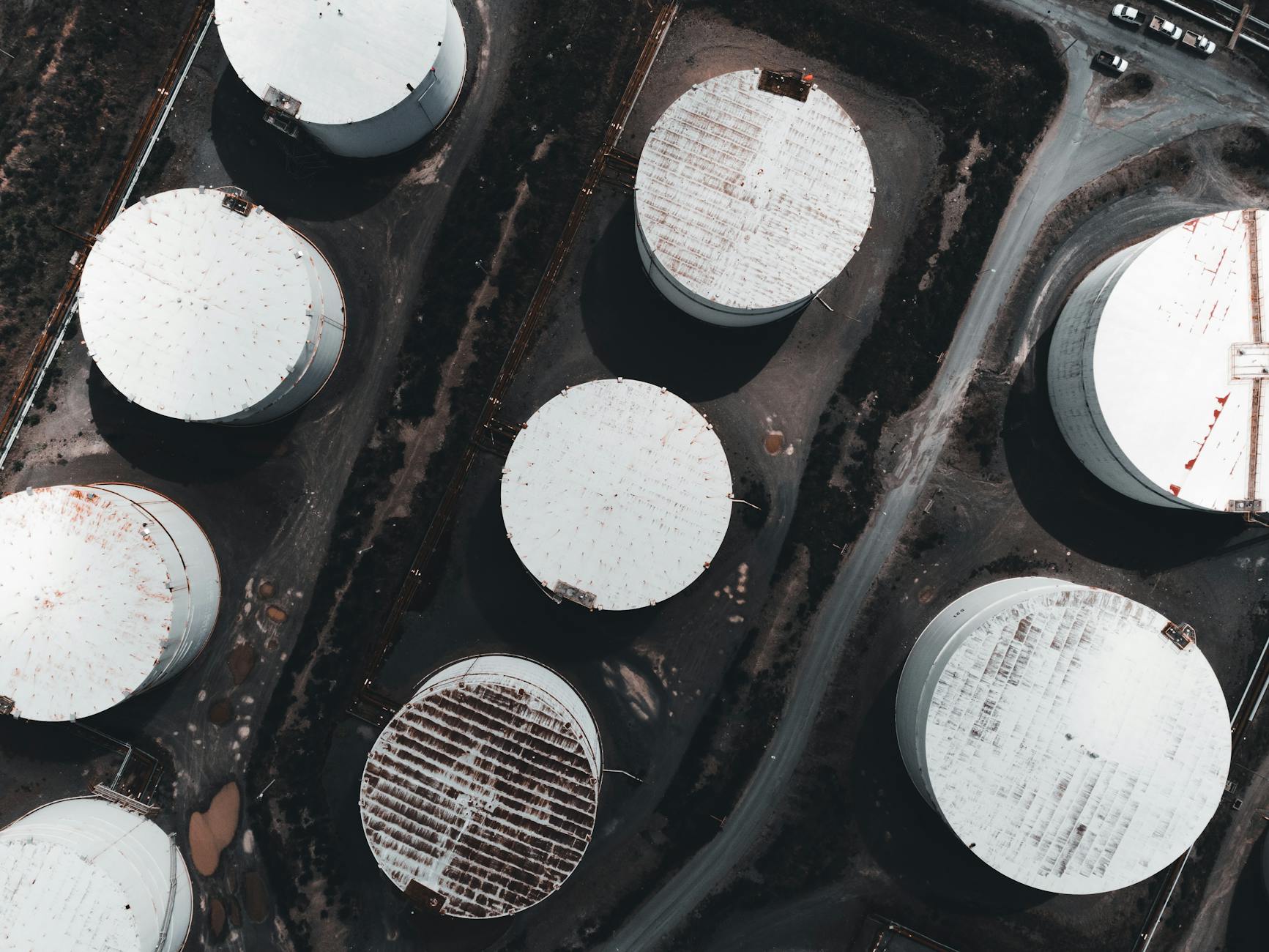
The Trump administration is lending 53.3 million barrels of crude from the Strategic Petroleum Reserve to energy firms including ExxonMobil, the largest such exchange in years, as the widening Iran conflict and the effective closure of the Strait of Hormuz push global crude markets toward price levels last seen during the 2022 energy shock.
The loan, confirmed by the Department of Energy’s Hydrocarbons and Geothermal Energy Office on Tuesday, is structured as an exchange: companies receive crude now and must return every barrel with a 28% premium, adding a net 15.1 million barrels to the reserve when the loans mature. That structure marks a deliberate shift from the outright sales the Biden administration used in 2022 to combat the Ukraine-driven price surge, which drew down the SPR to its lowest level since 1983 without a guaranteed refill timeline.
It marks the third major U.S. intervention in oil markets since hostilities between Iran and a U.S.-led coalition escalated in late April, following two earlier rounds of coordinated releases from the IEA’s 400-million-barrel emergency stockpile. Washington’s cumulative share of that multilateral drawdown now stands at 172 million barrels. That intervention, triggered in early May, was only the fifth coordinated release in the agency’s 52-year history and the largest since the record drawdown that followed Russia’s full-scale invasion of Ukraine in 2022.
“These actions continue to move oil swiftly into the market, address near-term supply needs, and ensure that the Strategic Petroleum Reserve remains strong through the return of premium barrels,” said Kyle Haustveit, assistant secretary for hydrocarbons and geothermal energy at the DOE.
U.S. gasoline prices have climbed to an average of $4.52 per gallon as of May 12, the highest since June 2022, when the national average peaked above $5.00. That surge has become a political liability for an administration navigating a conflict that has scrambled global energy flows. The Strait of Hormuz, through which roughly 20% of the world’s oil normally transits each day, has turned into an active combat zone as Iranian naval forces and allied militias target commercial shipping in the narrow waterway connecting the Persian Gulf to the Gulf of Oman.
“The war has created the biggest-ever energy crisis,” Fatih Birol, executive director of the International Energy Agency, said in remarks reported by Reuters.
Brent crude futures have surged more than 40% over the past six weeks, briefly touching $115 a barrel in intraday trading on Friday before settling lower. West Texas Intermediate, the U.S. benchmark, has tracked a similar trajectory, trading above $108 for much of the past week — levels not sustained since the first quarter of 2022. That spread has widened sharply as European and Asian buyers bid aggressively for Atlantic Basin cargoes, reflecting the asymmetric impact of the Hormuz disruption on seaborne crude flows bound for refineries in Rotterdam, Fujairah, and Singapore. Meanwhile, the front-month futures curve has flipped into steep backwardation, with nearby contracts commanding a premium of more than $8 a barrel over deliveries six months out — a structure that signals acute physical scarcity and pushes traders to sell inventory rather than store it.
Before this latest loan, the SPR held roughly 367 million barrels, down from a peak of 727 million barrels in 2010 and from 638 million when President Trump took office in January 2025. That loan structure prioritizes return barrels over outright sale, signaling that DOE officials are balancing near-term price relief against long-term reserve adequacy — a calculation that has already drawn criticism from Republican lawmakers who pushed for more aggressive releases ahead of the November midterm elections.
Energy Secretary Chris Wright reiterated Tuesday that all releases would remain in the form of exchanges, not emergency sales, a distinction that preserves the SPR’s statutory minimum and avoids requiring Congressional reauthorization for refill purchases at potentially higher prices.
Whether the loans meaningfully cool pump prices remains an open question. Refinery capacity on the U.S. Gulf Coast is running near maximum utilization, and the lag between crude release and refined-product delivery typically runs two to four weeks, Goldman Sachs analysts noted in a client briefing on Monday. OPEC+ producers, meanwhile, have signaled no immediate plans to accelerate their scheduled output increases, leaving the SPR releases as the primary short-term supply valve for American consumers. Saudi Arabia’s energy ministry declined to comment on the U.S. loan program.
Iranian forces have laid mines and deployed fast-attack craft across the Strait’s narrowest chokepoints, while U.S. naval escorts have struggled to maintain a secure corridor for commercial traffic. The summer driving season — which typically adds 400,000 to 500,000 barrels per day to U.S. gasoline demand — is weeks away.
For now, the SPR loan buys time. But it does not fix the underlying supply disruption, and the window for a diplomatic resolution before seasonal demand peaks is narrowing.
Reza Najjar
Commodities desk covering oil, natural gas, gold and base metals. Reports from London.