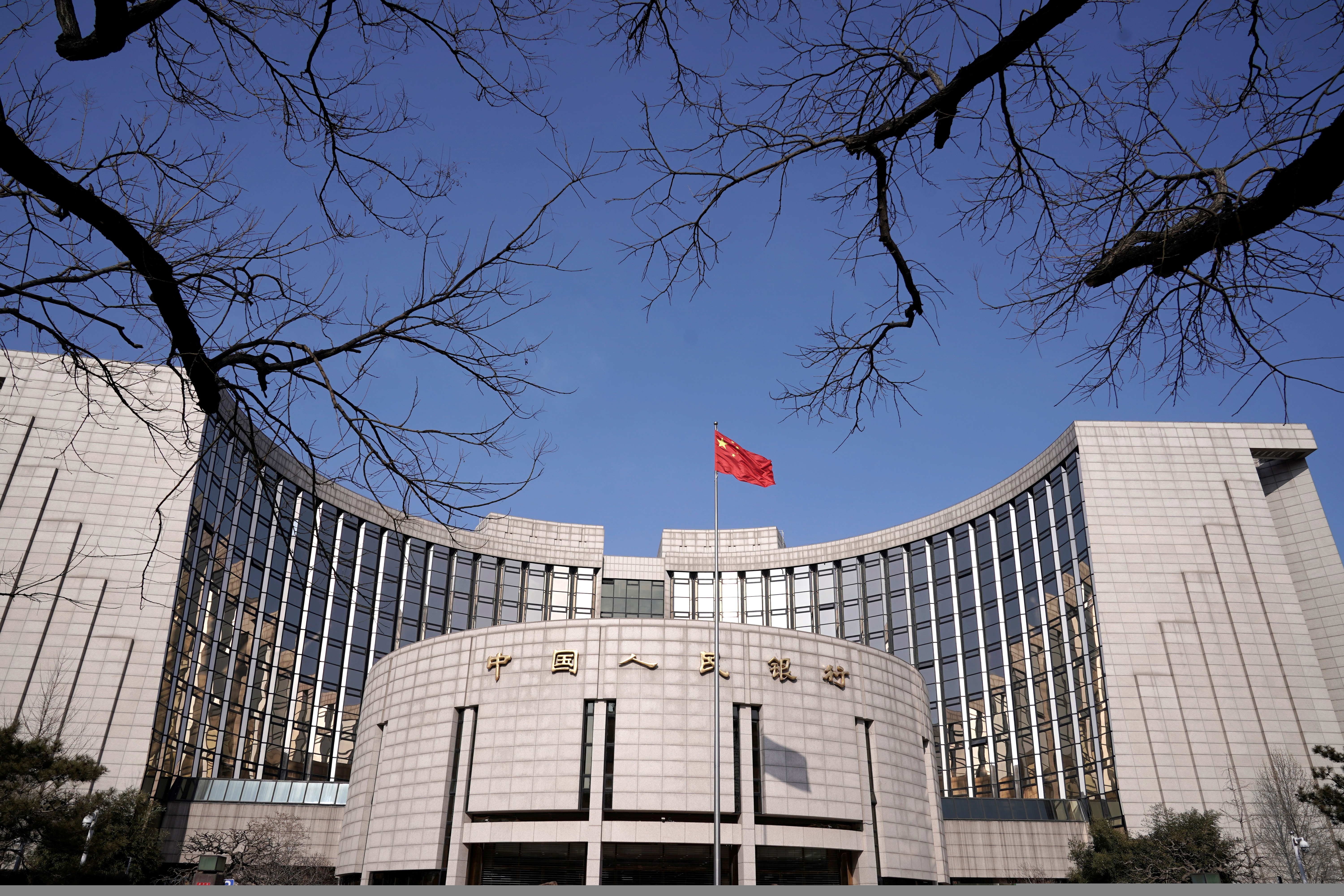
China policy loan rate falls to record low of 1.45%
China policy loan rate fell to a record-low 1.45% as the PBOC eased bank funding costs, signaling more support for growth and liquidity.
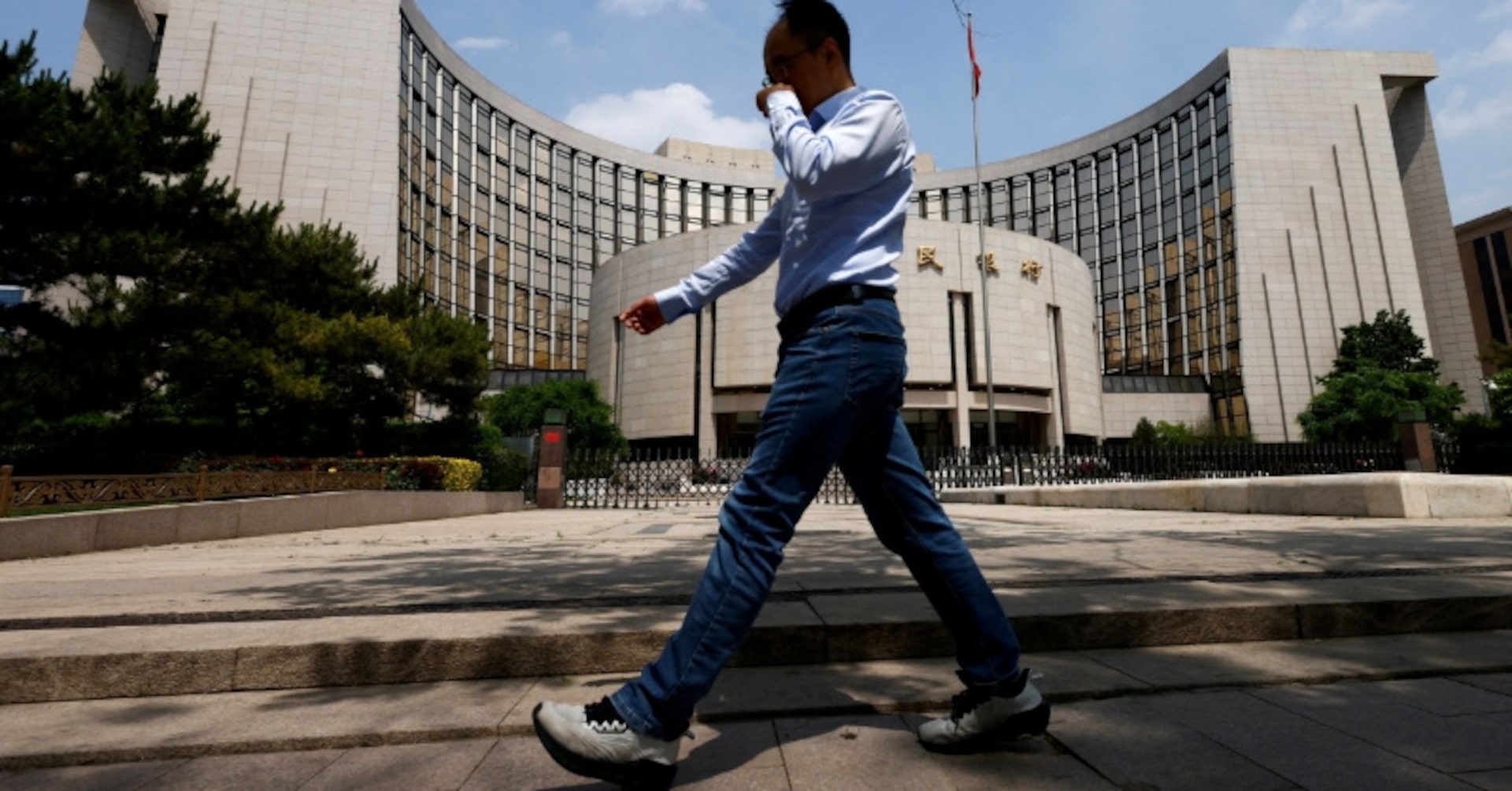
China let the rate on a one-year policy loan to banks slip to 1.45 per cent in May from 1.5 per cent in April, people familiar with the matter told Bloomberg, taking the facility to a record low as Beijing steps up support for an economy that has lost momentum.
The move came through the medium-term lending facility, the tool the People’s Bank of China uses to channel funding to banks. More visible benchmark lending rates stayed unchanged on May 20 at 3.00 per cent for one-year loans and 3.50 per cent for five-year loans, leaving officials to ease through a technical channel rather than with a headline cut.
For Beijing, that keeps the easing quiet.
Lower MLF pricing trims banks’ funding costs, but it stops short of announcing a broad easing cycle for households and companies. This lets officials support credit without putting a new benchmark cut at the center of the message.
Bloomberg said as much as 600 billion yuan, or $88.4 billion, of MLF funds was issued this month at the lower rate, and that the operation added a net 100 billion yuan to the banking system. Cheaper central-bank funding does not automatically translate into lower borrowing costs, but if banks pass on the lower marginal cost of credit, borrowing costs can drift lower over time.
How the tool works
The MLF once operated more clearly as a policy signal. In February 2025 coverage of the same tool, Reuters said the one-year facility rate was 2.00 per cent and quoted the PBOC as saying the operation was aimed at “keeping banking system liquidity reasonably ample.” At that stage, the facility sat closer to the center of China’s rate framework.
That wording now carries more weight than it once did. The facility has shifted closer to a liquidity backstop, so a lower rate on the tool reads less like routine cash management and more like a deliberate easing step.
Bloomberg also cited the PBOC’s quarterly report, which described policy as “moderately loose.” Together, the lower MLF rate and that language suggest officials still want room to support lending and activity if demand weakens further.
Why markets care
The timing stands out. China reported firmer first-quarter growth, yet the MLF adjustment suggests policymakers still see softness in domestic demand and credit creation.
Reuters reported last week that ample interbank liquidity and the tone of the PBOC’s quarterly report showed officials were not rushing to cut headline lending rates. Against that backdrop, the quieter MLF move gives investors a cleaner read on how Beijing is thinking about support.
For bond traders and bank investors, the transmission channel matters as much as the rate itself. A sustained drop in bank-funding costs can underpin demand for government bonds and ease credit conditions in small steps, while leaving the official benchmark rates unchanged avoids sending a blunter signal that authorities see the slowdown worsening rapidly.
The contrast with developed markets also matters. China is easing even as several developed-market central banks remain constrained by inflation and commodity-price risks, a divergence that can shape Asian risk sentiment and leave Beijing under pressure to do more if domestic data soften again.
A benchmark cut would have been more visible to households and companies, but it would also have advertised greater alarm about the economy. By working through the MLF first, the PBOC can lower funding costs, add liquidity and test transmission before it reaches for a louder instrument.
What markets watch next is whether the 1.45 per cent MLF rate remains a one-off adjustment or starts to feed through into broader loan pricing and market yields. For now, the cut is Beijing’s clearest sign this year that support for growth is moving from language into action.
Helena Brandt
Macro reporter covering the Federal Reserve, ECB, inflation prints and jobs data. Reports from Washington.