India rate-hike odds rise as crude reopens inflation trade
India rate-hike odds are climbing again as pricier crude, a weaker rupee and sticky food costs push investors to reprice the RBI path.
Oil’s latest jump is reviving bets that the Reserve Bank of India may need to tighten again, with the swap market pricing in at least a 25-basis-point hike by October. For rates traders, that is a sharper turn than the RBI itself has signalled. In June, the bank held its repo rate at 5.25 per cent, and until recently much of the market had been leaning toward an extended pause.
Beyond India, the shift matters. Local bonds would take the first hit from a higher rate path, but the rupee’s role in regional carry trades and one of the cleaner emerging-market disinflation stories would be tested too. Renewed Middle East shipping stress and firmer crude have also put energy back at the centre of macro trading. For investors, the India story is not really about one policy meeting. Oil may be reopening an inflation trade they had begun to close.
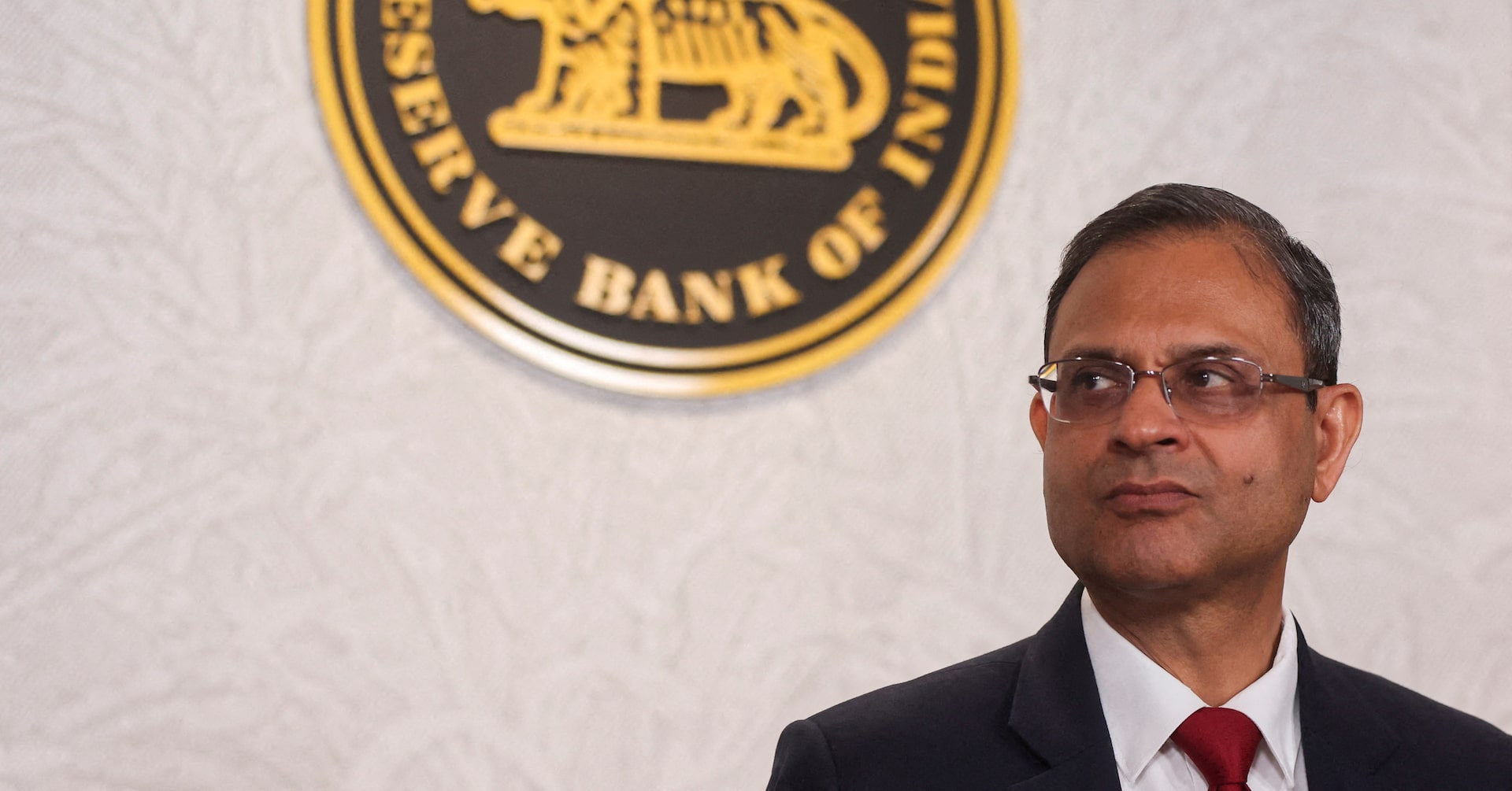
Inside the RBI, the logic is still more patient than the swaps curve. Official June CPI data showed headline inflation at 4.38 per cent and food inflation at 5.32 per cent, above the 4 per cent target but not yet at levels that would normally force an emergency rethink. When the central bank held rates at 5.25 per cent and raised its FY27 inflation forecast to 5.1 per cent, Governor Sanjay Malhotra framed the shift as caution, not capitulation to the market.
Economists are split in the same place. Citi and other houses had dialed back their India rate-hike views before crude’s latest leg higher, arguing the inflation pulse still looked manageable. Skeptics see a fuel-and-food scare, not a full inflation regime change. Markets read the setup differently. Once crude, the rupee and food risks start pushing in the same direction, a central bank trying to protect credibility may not be able to wait for perfect confirmation.
“monetary policy has turned more cautious”
Source: Sanjay Malhotra, RBI governor, as reported by CNBC
What the market is pricing
Rates traders are treating oil as a faster signal than the RBI’s own prose. Reuters’ preview of the June policy meeting had already sketched the mechanism: higher fuel costs, a weaker rupee and imported price pressure can make even a steady official rate sound temporary. Bloomberg’s latest reporting suggests that process has accelerated, with October now the first meeting where a quarter-point move is being treated as live rather than hypothetical.

Swap desks are not just staring at the headline oil chart. Bloomberg reported on July 20 that the RBI stepped into foreign-exchange markets to support the rupee as the currency weakened toward a record low. Currency defence changes the transmission. Imported fuel becomes more expensive in local terms even before retail prices adjust, while intervention tells traders the central bank is already spending balance-sheet credibility on the shock. After that, the curve stops asking only where Brent settles. It starts asking how much FX pressure the RBI is willing to absorb before it uses the policy rate.
Krishna Bhimavarapu of State Street Global Advisors made that logic explicit in CNBC’s June reporting. His point was that officials were not dismissing the inflation risk so much as staging their response to it.
“preparing the market for a possible rate hike in August”
Source: Krishna Bhimavarapu, APAC economist at State Street Global Advisors, as reported by CNBC
August has since slipped as the RBI stayed put, but the underlying point has survived. Markets do not need the bank to pre-commit to a hike. Officials only need to stop sounding confident that the shock will fade on its own. If crude stays high for long enough, or the rupee starts testing the RBI’s comfort zone again, October becomes less of a hedge and more of a base case.
Why the RBI can still wait
From inside policy, the story is more nuanced than the curve implies. India’s inflation problem is not yet broad enough to make a hike automatic. The official June CPI print showed headline inflation re-accelerating, but food remains a big part of the story, which gives policymakers some room to argue that the shock is supply-led and potentially reversible. Such a distinction matters. Central banks are usually slower to tighten into a supply shock when they believe second-round effects have not fully taken hold.

Malhotra has also widened the risk frame beyond crude alone. Bloomberg reported on July 17 that he described the Iran war and the monsoon outlook as key risks for India’s economy. Read narrowly, that is a subtle but important signal. The RBI is watching persistence, not just the spot oil move. A weak monsoon can keep food prices firmer for longer. A drawn-out Middle East disruption can keep shipping and energy costs elevated. Officials do not have to react instantly to either; they do have to decide when the risks stop looking temporary.
Skeptics still have a real case: this could be mostly a blip. Samiran Chakraborty of Citi thinks so. In The Hindu BusinessLine’s reporting, he argued that a hike is not the house view for this year.
“we do not foresee a rate hike in 2026”
Source: Samiran Chakraborty, Citi chief India economist, as reported by The Hindu BusinessLine
For that call to hold, three things need to happen together. Crude needs to ease from its current highs. The rupee needs to avoid another disorderly slide. Food inflation also needs to stop bleeding into a broader rise in household price expectations. If those conditions hold, June’s 4.38 per cent CPI print could end up looking like a warning flare rather than the start of a new inflation leg.
Even so, the balance of risks has changed. CNBC reported earlier in June that some economists were already gaming out a surprise move to defend the currency, drawing a parallel with other Asian central banks confronting imported inflation. Back then, that view looked early. Now it does not look eccentric. The more the RBI has to lean on intervention and rhetoric, the more the market will test whether those tools can substitute for a rate move.
What would force the RBI’s hand
Investors are not asking whether India has suddenly become a high-inflation outlier. They are asking what would make the October meeting stop looking optional. A clean trigger would be evidence that the oil shock is no longer confined to fuel. If food stays sticky, the rupee remains under pressure and core measures keep drifting away from comfort, the RBI would have less room to argue that patience is prudent.
Crude matters more than the latest CPI headline on its own. India is already leaning harder on alternative fuels and energy-security measures as costs rise, according to CNBC’s reporting this week. For an energy importer, those shifts are rational. More important for rates, they show policymakers treating the shock as something to manage, not merely something to wait out. When that mindset seeps into the market, it changes how every new oil print and rupee move is interpreted.
A broader emerging-market read-through follows. India had been one of the cleaner cases for a stable-to-easier policy path, helped by moderating inflation and relatively steady growth. If that anchor starts wobbling, investors may need to reprice more than one local bond market. Put simply, energy is once again dictating monetary-policy risk faster than central banks can smooth it with guidance.
For now, the market may still be slightly ahead of the RBI. Still, it is no longer clearly wrong. Oil has reopened the India inflation trade, and once that trade is back on the screen, rate-hike odds do not need to become consensus to matter. They only need to stay plausible long enough to keep pressure on bonds, the rupee and the notion that the RBI can coast through the second half of the year.
Sloane Carrington
Markets columnist. Analytical pieces and deep-dives on monetary policy, capital flows and corporate strategy. Reports from New York.