RBI Weighs Rate Hike as Rupee Slides Toward 97 Per Dollar
The Reserve Bank of India is weighing an emergency interest rate increase alongside currency swaps and dollar-raising measures to arrest the rupee's slide after it hit a fresh low of almost 97 per dollar this week.
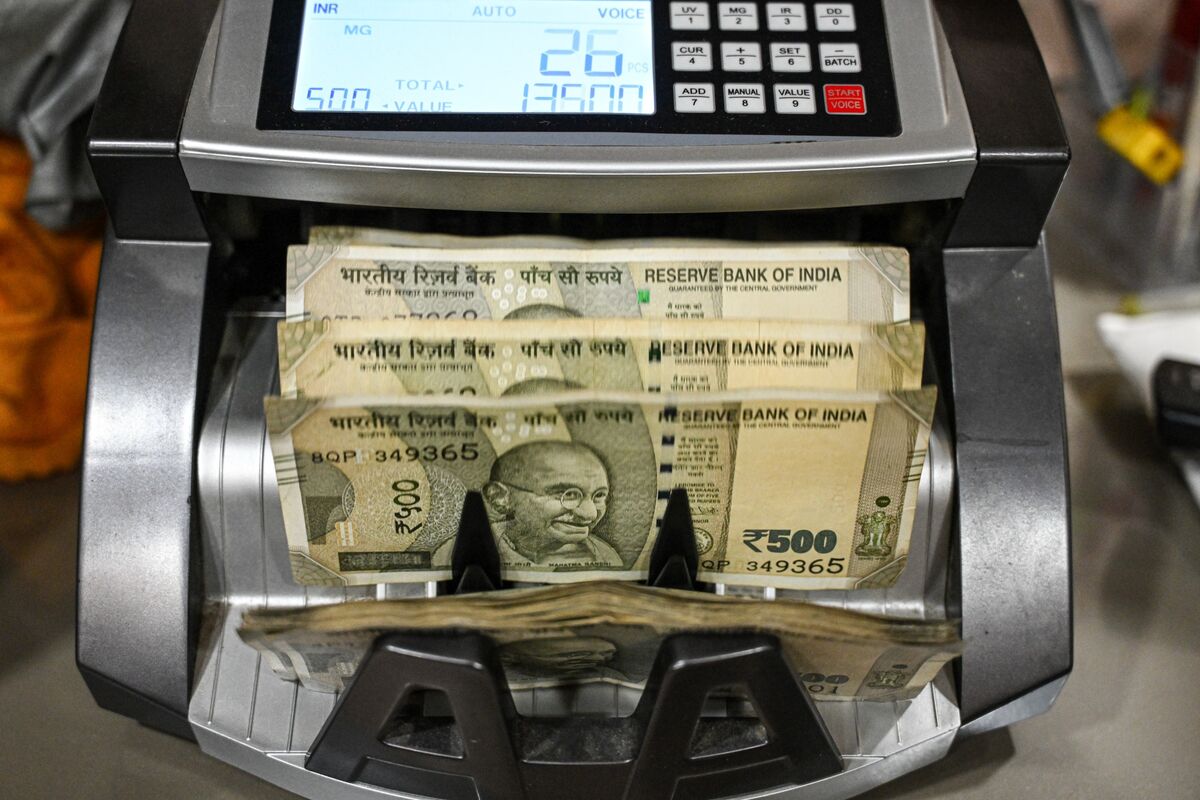
The Reserve Bank of India is weighing an emergency interest rate hike, currency swaps, and dollar-raising measures to arrest the rupee’s slide after it hit a fresh low of almost 97 per dollar this week, according to people familiar with the matter.
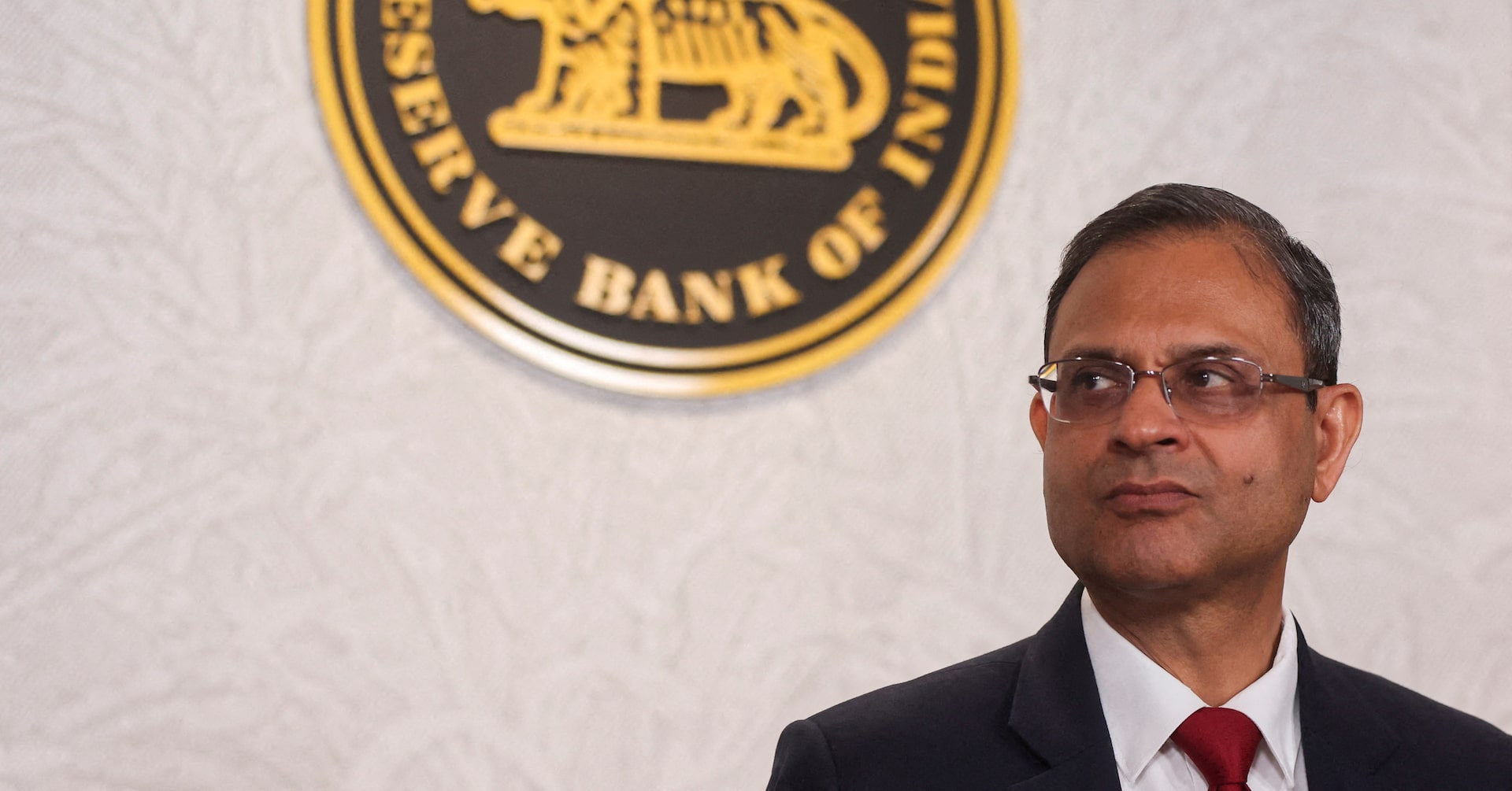
Governor Sanjay Malhotra has convened internal meetings on what would be the RBI’s first rate increase since 2018, deliberations first reported by Bloomberg that would make the RBI the first major Asian central bank to tighten monetary policy in direct response to the commodity shock from the Iran conflict. The benchmark repo rate has sat at 5.25 per cent through the first five months of 2026, but that calculus changed once the rupee began testing levels most currency traders had not pencilled in at the start of the year.
Three forces are hitting the rupee at once: a record $19 billion in foreign equity outflows this year, an oil-import bill swollen by elevated crude prices, and wholesale inflation that more than doubled to 8.3 per cent in April. Emerging-market central banks facing that kind of shock usually have to choose — defend the currency or protect growth. The RBI is leaning toward the former.
RBI will need to go big. Rather than using one single measure, you should use a plethora of measures, so that the hit is being taken across all the three asset classes.
— Rajiv Batra, co-head of global emerging markets strategy, JPMorgan
Batra, co-head of global emerging markets strategy at JPMorgan, argues for a multi-front response that hits rates, foreign exchange, and bond markets at the same time — spreading the adjustment cost rather than concentrating it on any one channel. Under that playbook the RBI would raise its policy rate, sell dollars through state-run banks in the spot market, and issue dollar-denominated bonds or push lenders to raise funds from non-resident Indians.
Dollar sales by the RBI — executed through state-run lenders in pre-market trading — have already driven the rupee back from near-97 to 96.0412, a gain of 0.8 per cent and the strongest single-session move in Asia that day, bankers told The Economic Times.
Persistent pressure on the rupee took it close to 97 but heavy selling by the RBI brought USD/INR down. This is in line with the RBI’s stance of curbing undue volatility — a la sharp slides in small periods of time.
— Dhiraj Nim, FX analyst
Not everyone thinks a rate hike is the right move. A. Prasanna, an economist at ICICI Securities Primary Dealership, warned an emergency increase could backfire.
An emergency rate hike may be too steep, and may impose a large cost on the economy. That said, some form of interest rate tightening in small steps may be needed sooner rather than later.
— A. Prasanna, ICICI Securities Primary Dealership
That is the RBI’s bind. A rate hike would signal resolve to foreign portfolio investors who have been pulling capital from Indian equities at a record clip. But it risks choking domestic credit growth just as the economy digests the broader fallout from higher energy costs.
Attention on the rupee’s slide has spread well beyond Mumbai. Citigroup warned earlier this week that India may need to tighten currency controls — including potentially restricting outflows from businesses — to bolster reserves. Global funds, Bloomberg reported separately, have started gaming out scenarios where the rupee hits 100 per dollar, a level it has never touched. The government has already raised the gold import duty to 15 per cent and restricted silver imports in recent weeks, both aimed at narrowing the current-account deficit.
A rate move by the RBI would turn India from an emerging-market bystander into the first Asian central bank forced to tighten because of the Iran war. Every other EM central bank absorbing the same commodity shock would take notice.
Helena Brandt
Macro reporter covering the Federal Reserve, ECB, inflation prints and jobs data. Reports from Washington.