China factory PMI rises to 50.3 as export demand leads
China factory PMI rose to 50.3 in June as AI-linked export demand kept manufacturing expanding, while domestic demand stayed soft.
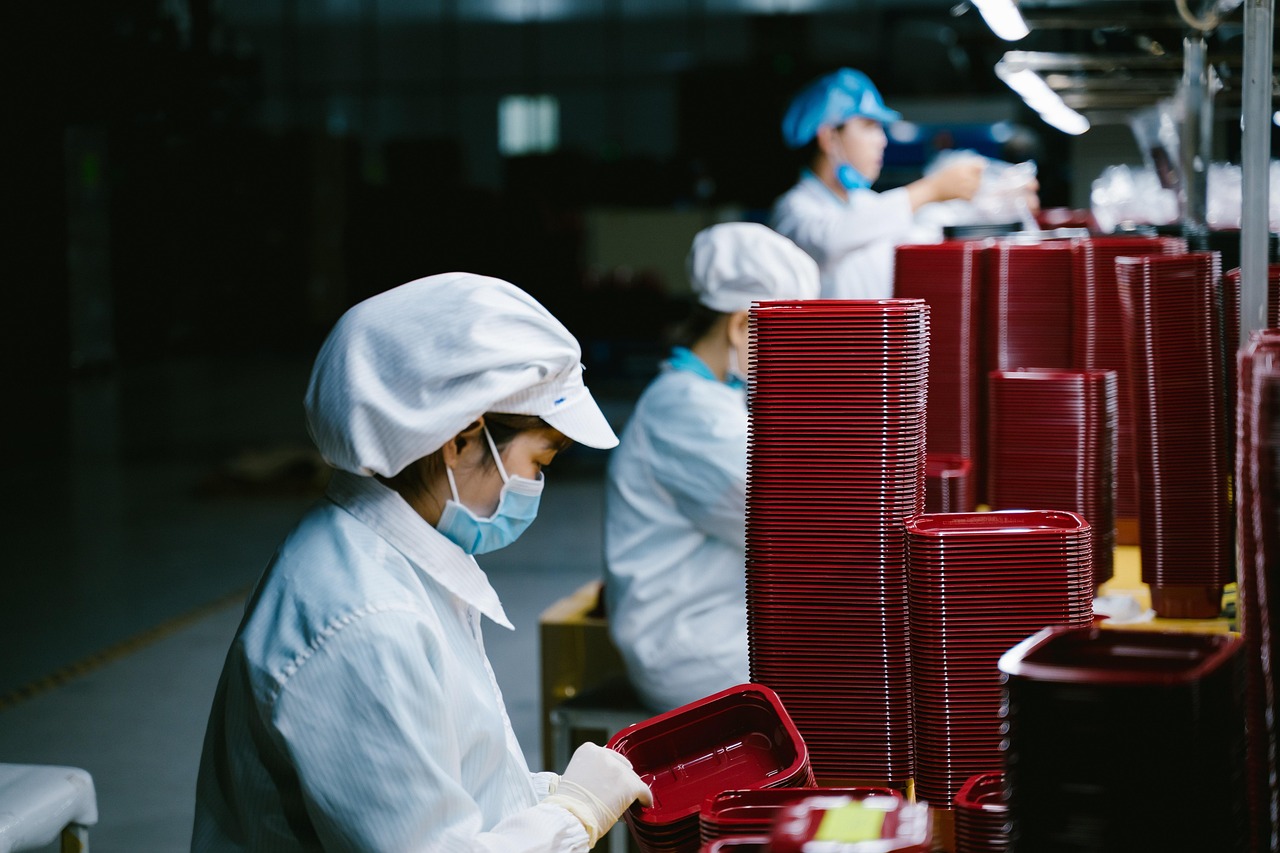
China’s official factory gauge rose to 50.3 in June from 50.0 in May, a modest move back above the expansion line that still said plenty about where the country’s growth is coming from. Export orders tied to artificial-intelligence hardware helped offset softer demand at home, leaving investors with a familiar split: China’s factories are getting help from abroad while household spending and private-sector momentum remain patchy.
Markets had reason to look past the headline. Beijing also reported the non-manufacturing PMI at 50.2, up only slightly from 50.1, so the broader June survey did not point to a clean domestic turn. It instead kept attention on a narrower engine of growth, with technology supply chains and overseas orders doing more of the work than property-linked activity or consumer demand.
The factory sub-indexes showed the same pattern. The production index was 51.4 and the new orders index 51.2, both above the 50 mark that separates expansion from contraction. The stronger reading was in high-tech manufacturing, which reached 53.5, consistent with demand for AI servers, chip packaging and electronics that has helped Chinese exporters hold up into midyear.
Services were steadier, not strong. A non-manufacturing reading barely above 50 points to gradual expansion and leaves factories carrying more of the near-term growth burden than policymakers would prefer.
Exports remain the clearest support in the June data.
Xu Tianchen told Reuters in its report on the release that the external side of the economy was still doing the heavier lifting.
“The export strength is set to continue, driven by global AI investment demand.”
Source: Xu Tianchen, Reuters
That separates the companies riding the global tech cycle from the rest of the domestic economy, where follow-through remains less convincing. A factory PMI above 50 is useful for sentiment. A factory PMI above 50 because export-facing, higher-value industry is outperforming tells a more selective story.
CNBC’s report on the data made the domestic weakness harder to ignore. The outlet said stronger overseas demand for AI-related technology had cushioned manufacturing even as broader momentum stayed soft, and quoted Bank of America economist Helen Qiao saying the latest data did little for hopes of a clean rebalancing toward consumption-led growth.
“The hope of rebalancing is dashed.”
Source: Helen Qiao, China economist at Bank of America Global Research, CNBC
CNBC also said the export impulse had been firm enough to offset some drag from recent Middle East turmoil. That leaves the June reading looking less like an all-clear for the economy and more like a reminder that external demand is still stabilising manufacturing.
What held up
For investors, the distinction reaches beyond China’s equity market. A manufacturing gauge that stays above 50 can steady expectations around Asian supply chains, regional exporters and parts of the commodities complex. If the rebound is mainly coming from external orders, however, policymakers may still face pressure to support domestic demand in the second half.
The June print is constructive. It is not decisive. It shows that export-facing manufacturers, especially high-tech producers, remain strong enough to keep the broader factory gauge in expansion territory.
China data are likely to be read in layers for now. The official numbers say factories are expanding. The mix inside them says the AI build-out and overseas demand are still carrying a meaningful share of the load.
That tension will shape the next run of releases. If export orders and high-tech output continue to outpace the rest of the economy, June’s message will hold: China’s factories can still produce respectable headline numbers, but domestic momentum is lagging the part of the economy tied to global tech demand.
Helena Brandt
Macro reporter covering the Federal Reserve, ECB, inflation prints and jobs data. Reports from Washington.