PCE may cool on paper before prices cool in the real economy
Core PCE inflation could be revised lower by methodology changes, giving markets a cooler Fed signal even if underlying prices stay sticky.
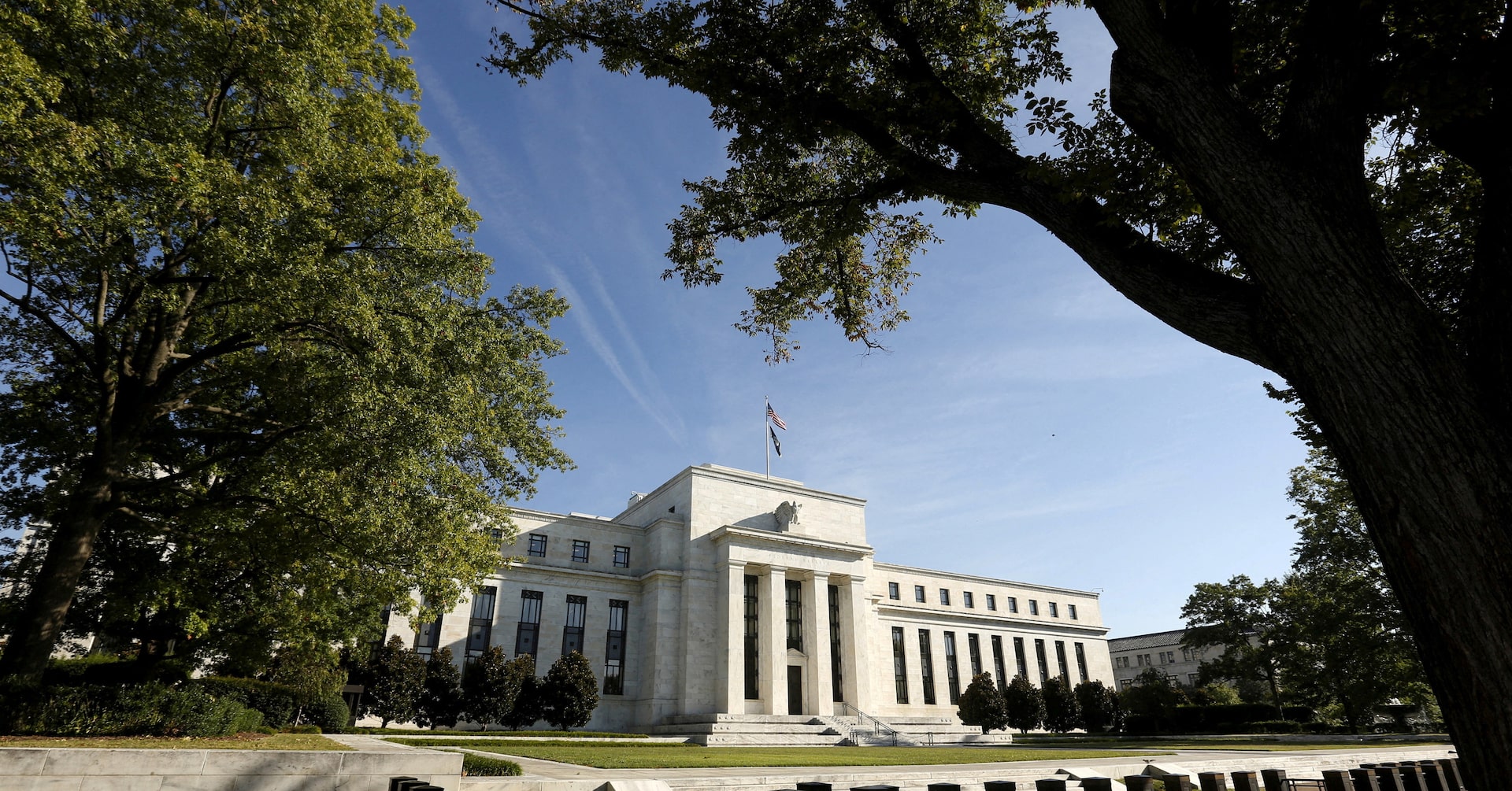
Changes to the Bureau of Economic Analysis that will be folded into the Sept. 30 GDP revisions are poised to make core personal consumption expenditures inflation look about 0.2 percentage point cooler, a small statistical move with outsize consequences for a market that trades every decimal of the Fed’s preferred gauge. For rates desks, the problem is obvious: a lower reading can ease Treasury yields and lift rate-cut bets even if households are still paying the same prices.
That is why the expected revision matters beyond the BEA’s technical notes. Reuters reported that economists expect May core PCE to be revised to 3.2 per cent from 3.4 per cent once the agency changes how it measures portfolio management, software and legal services. The underlying aim is methodological cleanup, not stimulus by spreadsheet. But a market that has repeatedly overread monthly inflation prints may treat a revised series as fresh disinflation rather than better measurement.
Skeptics see the timing, not the math, as the bigger risk. Axios argued that cleaner methodology landing after years of mistrust in official data will look politically convenient whether or not it is statistically justified. That tension matters because the Fed, now under Kevin Warsh, is already widening the set of inflation signals it watches, and traders are primed to infer policy meaning from any softer PCE path.
Methodologists, though, would say the old series had its own problem: it sometimes turned changes in quantities or market levels into something that looked too much like price pressure. In a December speech, Stephen Miran of the Federal Reserve argued that portfolio-management services had been mismeasured in a way that overstated inflation when asset prices rose.
“What ought to be recorded as an increased quantity of services consumed is instead recorded as increased prices.”
— Stephen Miran, Federal Reserve speech, December 2025
Put differently, the case for the revision is not that inflation deserves a friendlier headline. It is that the headline should better reflect what households are actually buying.
Why the series may drop
The mechanics are dry. The implications are not. Reuters reported that the BEA will adjust three subcategories when it incorporates annual revisions on Sept. 30, reaching back to 2021. Portfolio management is the biggest piece. Economists cited by Reuters reckon that change alone could trim roughly 30 basis points from the contribution that category had been making to inflation.
A Federal Reserve note on software measurement explains why the existing approach can struggle when product quality changes fast or when pricing is inferred indirectly. The revised method pulls more information from composite CPI and PPI inputs, rather than leaning on narrower proxies that can exaggerate price growth. The same logic applies to legal services, where better source blending should in theory separate wage, demand and billing changes more cleanly.

For the measurement insider, that at least partly answers the central question in this debate: why touch the gauge at all if the politics are awkward? Because a chained index such as PCE is supposed to adapt as spending patterns and service categories evolve. The Atlanta Fed’s explainer on PCE makes the broader point: the index is designed to capture substitution and changing consumption better than CPI does. If one corner of the machine is misclassifying market moves as prices, the machine needs fixing.
Still, cleaner measurement is not the same as gentler inflation. A household does not feel relief because a statistical agency improved its deflator. A bond desk may care about the distinction less than an economist does, because markets price the published series, not the philosophical argument underneath it. That is the first tension running through the story.
A second one is that the Fed has spent half a decade telling investors that it wants inflation back to 2 per cent on a sustained basis. Against that backdrop, a revision that mechanically moves core PCE lower risks looking like progress borrowed from methodology rather than earned through cooler rents, slower services inflation or softer wage pass-through. Markets have reason to ask that question.
Why the optics matter
The optics problem starts with trust. Axios quoted Vikas Patel, a transparency advocate, urging the BEA to be clearer about timing, weights and historical revisions because confidence in official data is already thin.
“Given the growing mistrust around official data, we urge the BEA to act with more transparency around timing, weights, and historical revisions.”
— Vikas Patel, Axios, July 2026
That line lands because investors know how quickly a technical revision becomes a macro narrative. One softer print can pull two-year Treasury yields lower, compress real-rate expectations and feed a risk rally, particularly when payrolls and activity data are already being read through a dovish lens. MarketWatch’s bond analysis framed recent jobs and inflation surprises as bullish for duration. A revised PCE path would drop into the same reflex.
For the skeptic, the unanswered question is whether better disclosure could stop that reflex. Probably not fully. Even if the BEA telegraphed every change, many traders would still respond to the headline series first and parse the appendix later. But clearer communication could at least narrow the gap between what the data say and what markets think they say.
History makes that gap hard to ignore. Fed-sensitive markets have spent the post-pandemic cycle lurching from one monthly inflation print to the next, treating small upside or downside surprises as regime shifts. This episode underlines a less comfortable truth: inflation gauges are constructed estimates, not direct readings off a national thermometer. They are designed, weighted, revised and improved over time. That is a strength of official statistics. It is also why a cooler number does not always mean a cooler economy.
The methodological case therefore collides with a narrative case. Technical staff can defend the change on the merits. Portfolio-management services really do present measurement problems. Software pricing really is awkward when quality and delivery models change quickly. Yet traders, politicians and households do not consume the methods paper. They consume the headline.
What markets may do with it
The analyst’s question is the simplest one: how much of the coming shift is bookkeeping, and how much would a lower core PCE print alter rate-cut odds? On the first point, the research to date points heavily toward bookkeeping. Reuters’ reporting on economists’ estimates and the BEA’s own schedule suggest the revision is large enough to move the annual rate, but not because underlying prices suddenly rolled over in July or August.
That distinction may not stop markets from reacting. CNBC’s reporting on Warsh’s inflation task forces noted that the new chair is already examining how the Fed measures and responds to price pressures. If that review coincides with a downward PCE revision, investors could read two different signals at once: a central bank more open to alternative gauges, and a preferred gauge that has just become less alarming. That combination would be friendly to the bond bulls.

For policy makers, though, the safer reading is narrower. A revised series can improve the map without changing the territory. If core PCE prints lower because portfolio-management services are no longer over-amplifying asset moves, that tells the Fed something useful about measurement error. It does not tell the Fed that shelter, healthcare or labour-intensive services have suddenly returned to pre-pandemic behaviour. Investors who blur those two ideas may be setting themselves up for the next reversal.
There is a subtler consequence as well. The more attention markets pay to the mechanics of index construction, the harder it becomes for the Fed to treat any single gauge as self-explanatory. That may be one reason Warsh’s Fed is studying broader data inputs in the first place. A central bank that knows its flagship inflation number is being revised, challenged and reinterpreted in public will have to work harder to explain what counts as genuine disinflation and what does not.
None of this means the BEA should avoid methodological repairs. Bad measurement left in place for optical reasons would be worse. But it does mean investors should resist giving a bookkeeping improvement the same weight as a real easing in price pressure. The PCE series may look cooler by year-end. The economy may not feel cooler at all.
Sloane Carrington
Markets columnist. Analytical pieces and deep-dives on monetary policy, capital flows and corporate strategy. Reports from New York.