Student loan Treasury transfer bill would shift millions
Student loan Treasury transfer bill would move defaulted and later current federal loans to Treasury, deepening the SAVE-plan unwind.
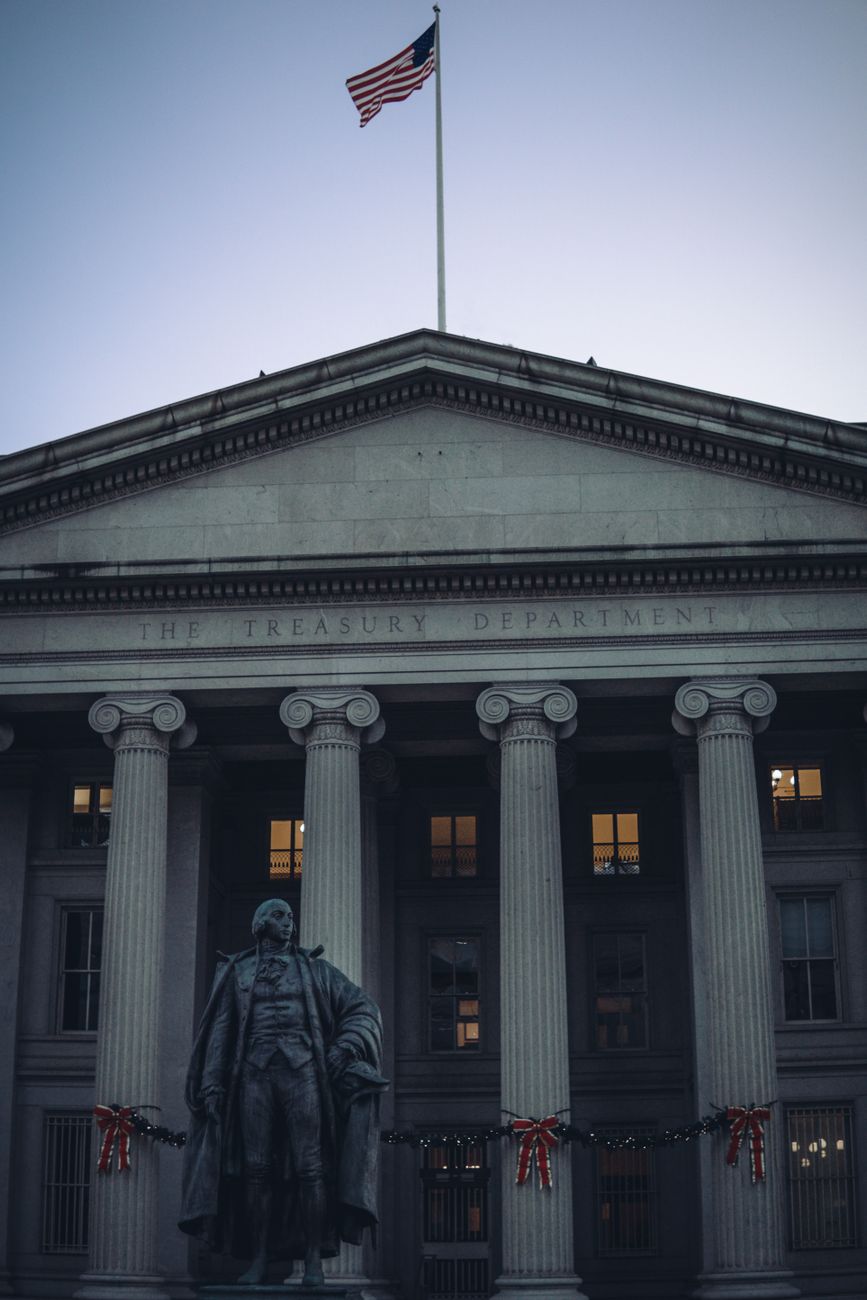
House Republicans proposed moving millions of federal student-loan accounts from the Education Department to the Treasury on Friday, beginning with borrowers in default and later reaching current accounts. The plan pulls the SAVE repayment-plan unwind into a bigger fight over who controls Washington’s education-debt machinery.
Walberg’s 10-bill package recasts a repayment dispute as a balance-sheet and collections issue. Business Insider reported that the measures would formalize a transfer Education Secretary Linda McMahon defended after saying her department had “failed to effectively manage” the portfolio. For a federal loan book of this size, the venue matters: Treasury already handles federal cash management and collections, while Education has been the political home of repayment programs and forgiveness fights.
SAVE is already in an awkward transition. CNBC reported that 6.9 million borrowers were still enrolled in the plan as of March, with average balances of about $55,000, as servicers began sending notices giving borrowers 90 days to choose another repayment option. That is not a settled system. It is a moving administrative target, with millions of accounts being rerouted, repriced or pushed into fresh paperwork while Congress argues over the next custodian.
Treasury Secretary Scott Bessent gave Republicans the phrase they wanted, saying the department has “the unique experience, the operational capability, and the financial expertise” to run the accounts. The servicing question is only part of it. Under the proposed sequence, defaulted loans would move first, putting Treasury at the front end of the system’s most coercive work before any broader transfer of current accounts.
That sequence matters because it makes collections the opening battleground. A later handoff of current accounts would push the debate beyond monthly payment formulas or forgiveness paths. Congress would be deciding whether Treasury should hold the government’s day-to-day leverage over one of the country’s largest consumer-debt relationships.
The SAVE clock
Deadline pressure gives the committee package weight beyond a Capitol Hill messaging exercise. Fast Company reported that a June 25 Education Department court filing pointed to September 29 as the earliest deadline for borrowers to leave SAVE, after a transfer timeline that began July 1. Borrowers, servicers and policymakers are trying to define the post-SAVE system at the same time. Adding a Treasury handoff would put another operational change on top of a repayment transition that is already under way.
Rachel Gittleman put the objection plainly. The proposal could “actually create many more layers of red tape for the American public and for federal employees trying to serve students and families,” she warned, via Business Insider.
Her criticism reaches the core policy question. Republicans describe Treasury as a tougher, more financially literate custodian for a troubled loan book. For opponents, the risk is that a collections-oriented department would be inserted into a system still struggling to explain payment options, deadlines and legal changes to borrowers. A bill fight that begins with SAVE could quickly become a fight over who gets the repayment levers after SAVE is gone.
In Washington, the proposal is less a personal-finance service story than a test of how aggressively lawmakers want to rewire federal credit administration. The committee package still faces the usual legislative hurdles. Pairing the SAVE exit scramble with a proposed Treasury transfer signals that the next phase of the student-loan fight is about the asset, the servicing chain and the collections power behind it.
Helena Brandt
Macro reporter covering the Federal Reserve, ECB, inflation prints and jobs data. Reports from Washington.