New Zealand raises key rate to 2.5%, first hike in 3 years
New Zealand key rate rose to 2.50% as the RBNZ delivered its first hike in three years, lifting the kiwi and front-end bond yields.
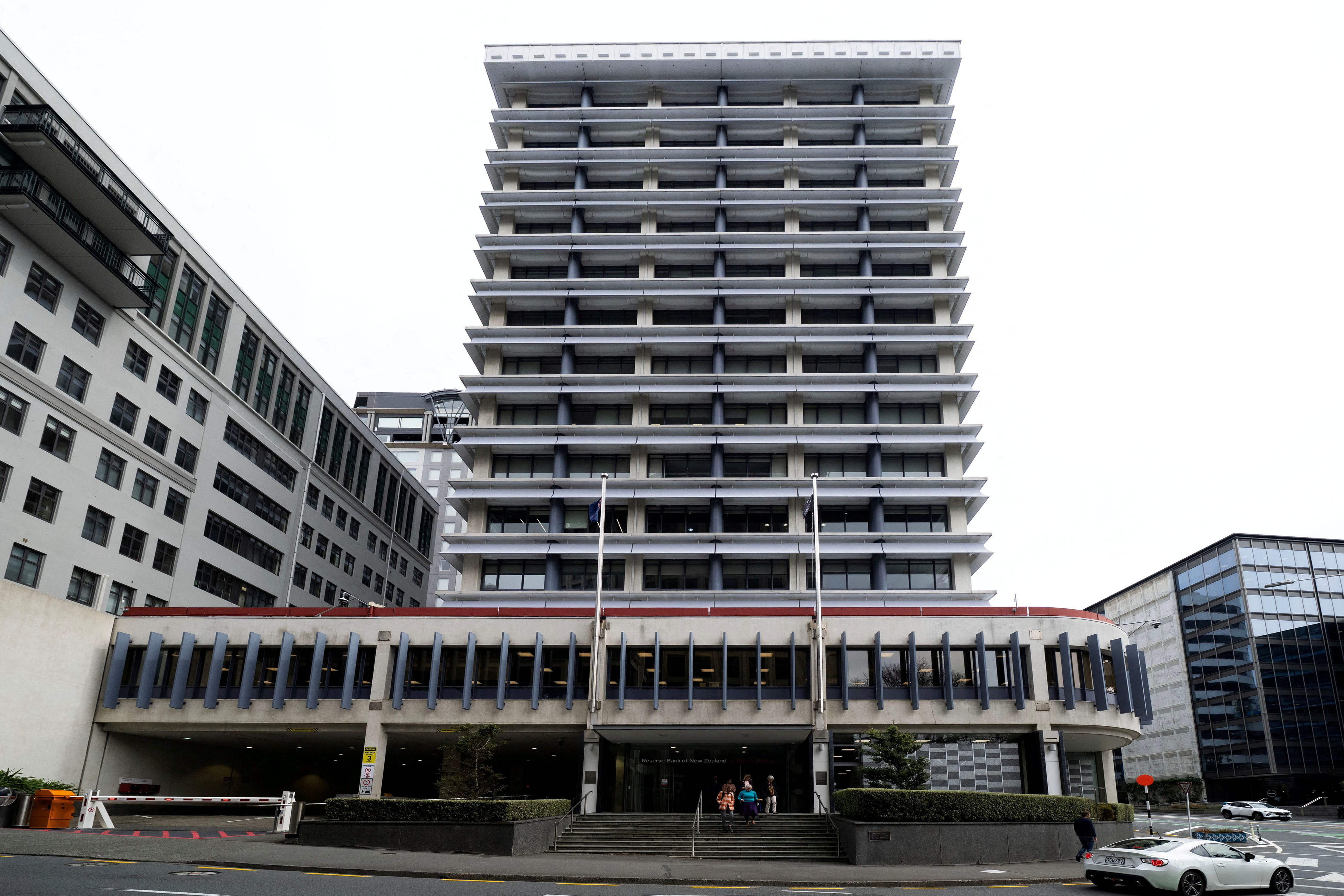
New Zealand’s central bank raised its key rate by 25 basis points to 2.50 per cent on Wednesday, the first increase in three years, after inflation began pushing back above its target band. The Reserve Bank of New Zealand decision moved straight into markets: the kiwi rose 0.4 per cent to just above 57 US cents, while the yield on two-year government notes climbed five basis points to 3.37 per cent, according to Reuters.
Wednesday’s hike ended a long pause and put investors back on watch for a fuller tightening cycle. In its statement, the bank said inflation was still above target and that stronger activity could require “some further reduction in monetary stimulus.” Officials also said the move was aimed at returning inflation to 2 per cent. Together, those lines made the decision sound less like insurance against one shock and more like the start of a less generous policy setting.
Its own words carried the pivot.
With inflation still above target and economic activity expected to strengthen, some further reduction in monetary stimulus is likely to be required.
Reserve Bank of New Zealand policy statement, July 8
April gives the shift some scale. The bank then kept the official cash rate at 2.25 per cent and said it would move decisively only if the Iran conflict revived imported inflation pressure, as Reuters reported after that meeting. This time officials are no longer waiting for that risk to become obvious in the data. They are trying to lean against prices and demand before those pressures settle into wages and company pricing.
Markets had not fully priced the move. Six of 22 economists surveyed by Bloomberg had expected no change, while preview coverage before the meeting described the call as less than certain. The Edge Malaysia, citing Bloomberg’s report, said the RBNZ projected inflation would peak at 3.9 per cent in the second quarter and ease to 3.3 per cent in the three months through September. That still left the bank above target, helping explain why the currency and front-end bond market moved straight after the announcement.
How markets read it
Traders treated the decision as a hawkish turn, not a housekeeping adjustment. A stronger kiwi and higher front-end yields usually mean investors are marking up the path for policy rates. For bond managers, the decision also reopened the comparison with other developed markets, where disinflation had looked steadier earlier this year.
Sean Callow, senior analyst at ITC Markets, said the bank’s description of the hike as a reduction in stimulus had “a touch of the Bank of Japan”. Callow’s line was pointed because it framed tighter policy as a move back toward normal settings, rather than an emergency brake.
That distinction is useful for the rates debate. Near-term pressure had eased with lower oil prices, the Reserve Bank said, but it kept the focus on incoming data, price-setting behaviour and activity. In central-bank language, that is still a tighter-for-longer message. Officials are not trading one commodity swing. They are watching whether domestic inflation is sticky enough to warrant higher borrowing costs even if some external shocks fade.
Now the test is whether Wednesday’s hike proves to be a single adjustment or the first step in another tightening run. Its statement leaned toward the second reading. Traders’ reaction showed they were willing to price some of that risk. Inflation, labour-market and spending data will now carry more weight into the next policy meeting. So will the kiwi and short-dated yields, the two gauges that moved first when New Zealand became the latest case study in inflation that has not quite gone away.
Helena Brandt
Macro reporter covering the Federal Reserve, ECB, inflation prints and jobs data. Reports from Washington.