BOJ seen lifting rates to 1.0% in June as energy costs bite
A Reuters poll and firmer wholesale inflation data are hardening the case for a June Bank of Japan rate increase and pushing Japanese yields back into the global macro conversation.
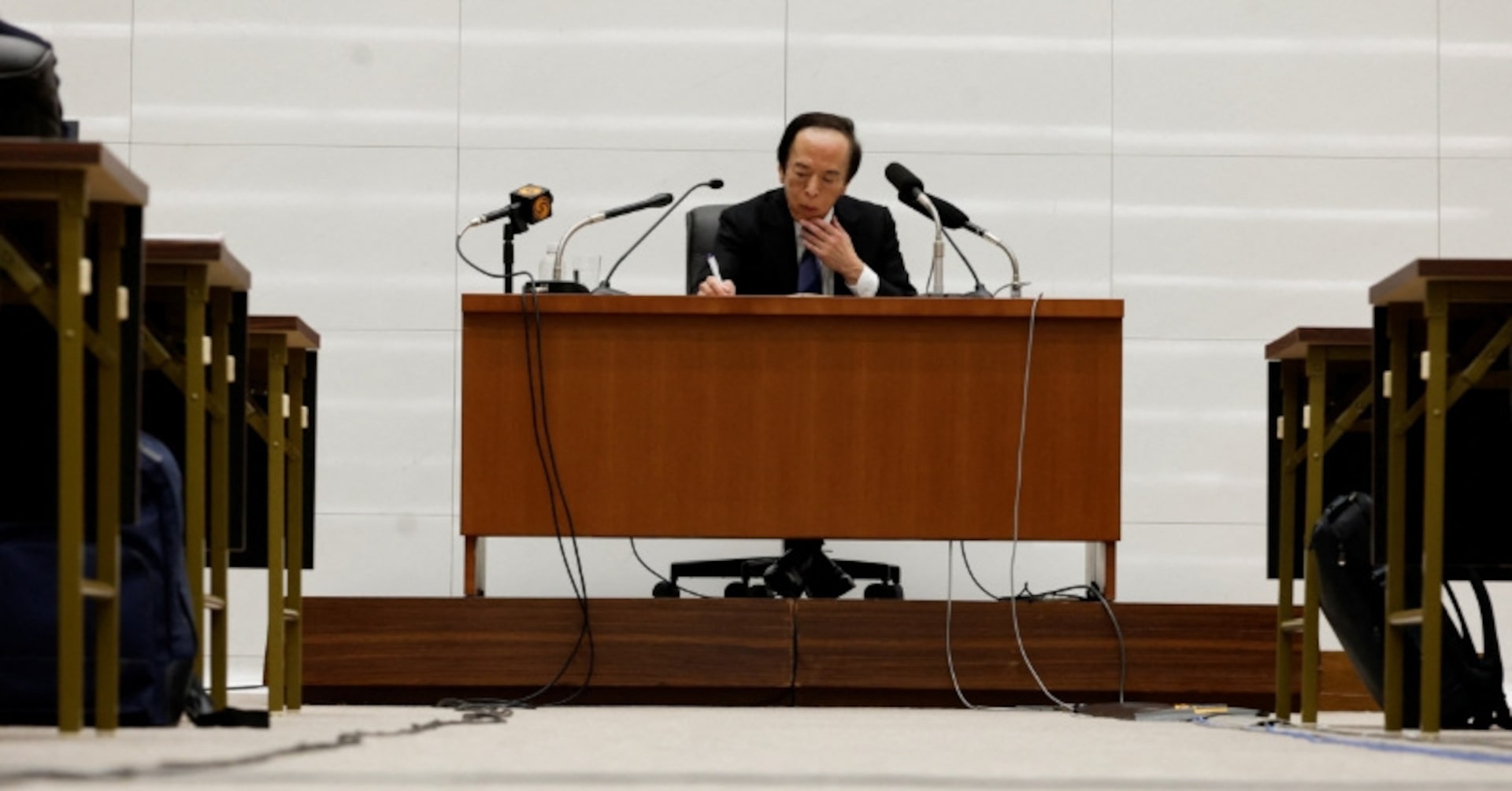
The Bank of Japan is expected to lift rates to 1.0 per cent in June, according to a Reuters poll, as stronger wholesale inflation and hawkish board commentary drive bets on a faster exit from ultra-loose policy. Sixty-five per cent of economists in the May 7-14 poll expect a June increase. Another hike follows in October to December, the poll showed.
April wholesale inflation rose 4.9 per cent from a year earlier, while the yen-based import price index climbed 17.5 per cent, Reuters reported. The numbers suggest higher energy and imported input costs are still feeding through to domestic prices. Masato Koike, senior economist at Sompo Institute Plus, told Reuters that “wholesale inflation is likely to continue accelerating as a trend”. Combined with the poll, the data offer two reasons to pull rate expectations forward: producer-price momentum and a board striking fewer patient notes.
Markets are already repricing. Japan’s 10-year government bond yield touched 2.665 per cent on Friday, Reuters reported, after the inflation print reinforced the odds of a near-term move.
The policy case hardened further after BOJ board member Kazuyuki Masu called for an early rate hike, saying the central bank should “raise interest rates as soon as possible if there are no clear signs of an economic slowdown”. Traders now have a direct signal from inside the board that some officials want to move, provided growth holds and imported inflation keeps working through producer prices.
Naomi Muguruma, chief bond strategist at Mitsubishi UFJ Morgan Stanley Securities, told Reuters after the inflation data that “today’s inflation print was stronger than expected, so markets have pretty much priced in a rate hike in June”. That turns June into a confirmation test rather than an open debate. Short of a sharp growth reversal, the hurdle for standing pat has risen.
Economists in the poll also expect another move in October to December, Reuters reported — a sequence, not a one-off. A second hike would keep attention on Japanese yields, domestic funding costs and the yen’s influence on global portfolio flows.
Inflation pressure
Producer-price figures capture the durability of inflation, not just its level. A 17.5 per cent rise in the yen-based import price index suggests exchange-rate effects and energy costs are still moving through the corporate pipeline, according to Reuters. That does not guarantee the same rise in consumer prices, but it complicates any argument from the BOJ that price pressure is fading fast enough to wait. The inflation print and the poll tell the same story from different angles: economists see the next hike coming, and input-cost data explain why.
For global investors, what matters is the effect a firmer BOJ has on rate comparisons across major markets, not one quarter-point move in isolation. Japan has been the outlier for years. A move to 1.0 per cent by end-June, followed by another increase later this year as the Reuters poll expects, would narrow that gap and keep pressure on how Japanese yields and the yen feed into broader portfolio decisions.
What markets watch
The next question is whether the data flow validates what rates markets are already implying. If producer prices keep firming and BOJ officials continue sounding closer to Masu than to the doves of prior cycles, investors will expect the policy board to use June to lock in the next phase of normalization. A growth wobble would still give the bank room to slow the sequence. But a 65 per cent economist majority for June, a 4.9 per cent wholesale inflation print and a 10-year yield at 2.665 per cent together shift the burden of proof.
June is not automatic. Poll respondents were giving probabilities, not relaying a board commitment. But firmer producer prices, higher bond yields and Masu’s public call for earlier action have made waiting harder to justify.
The clearest takeaway: Japan’s energy shock has moved from a sideshow to a direct driver of rate expectations. A Reuters poll on a domestic policy meeting has become a macro signal. The numbers are small beside US rates. The message is larger: with imported-cost inflation still accelerating and board members openly discussing earlier hikes, the BOJ is no longer insulated from the global tightening debate.
Helena Brandt
Macro reporter covering the Federal Reserve, ECB, inflation prints and jobs data. Reports from Washington.