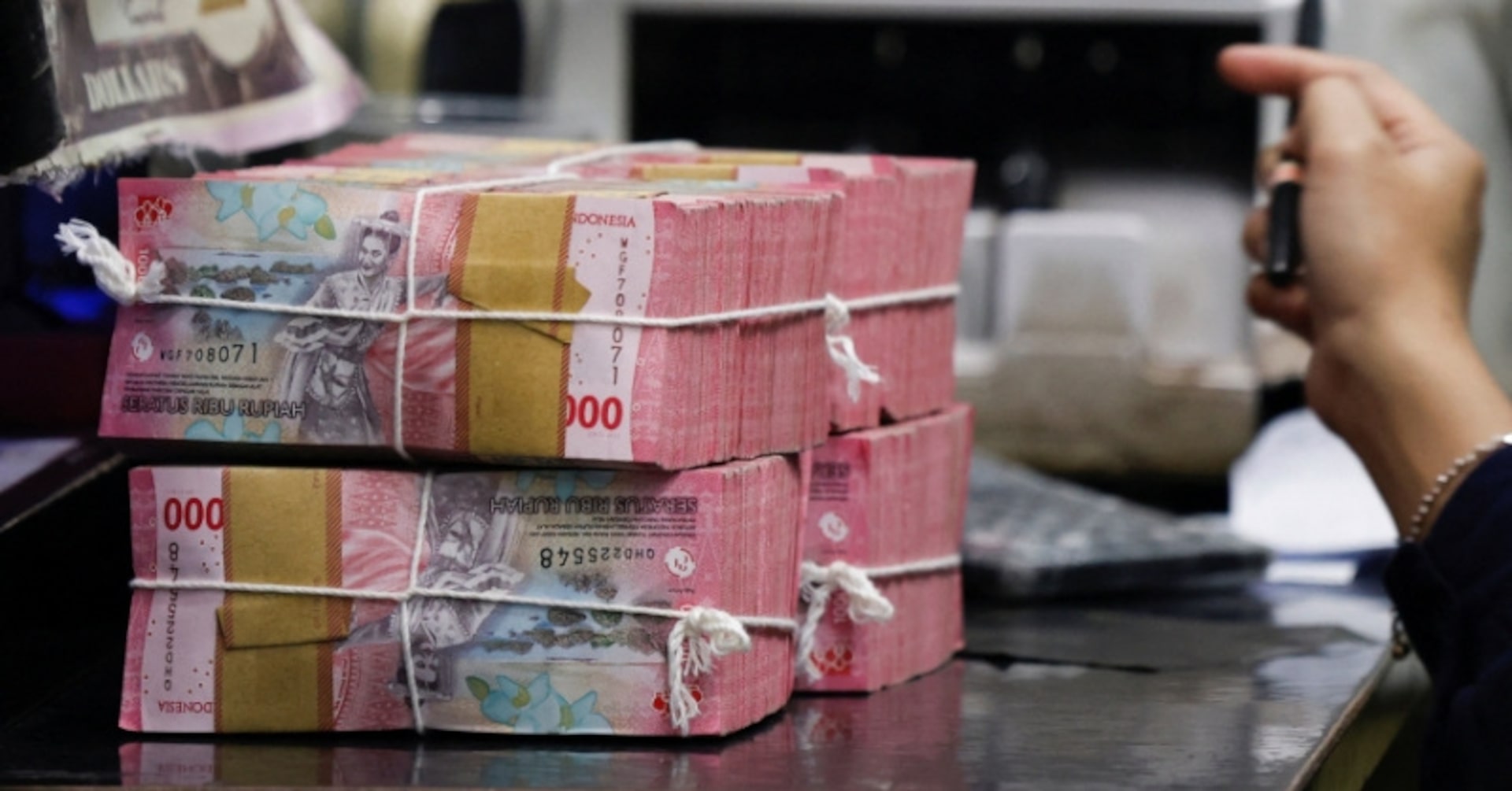
Indonesia rupiah slide tests credibility after 8% drop
Indonesia rupiah weakness has put officials' credibility on trial after an 8 per cent drop, a 39 per cent stock slide and fresh inflow pledges.
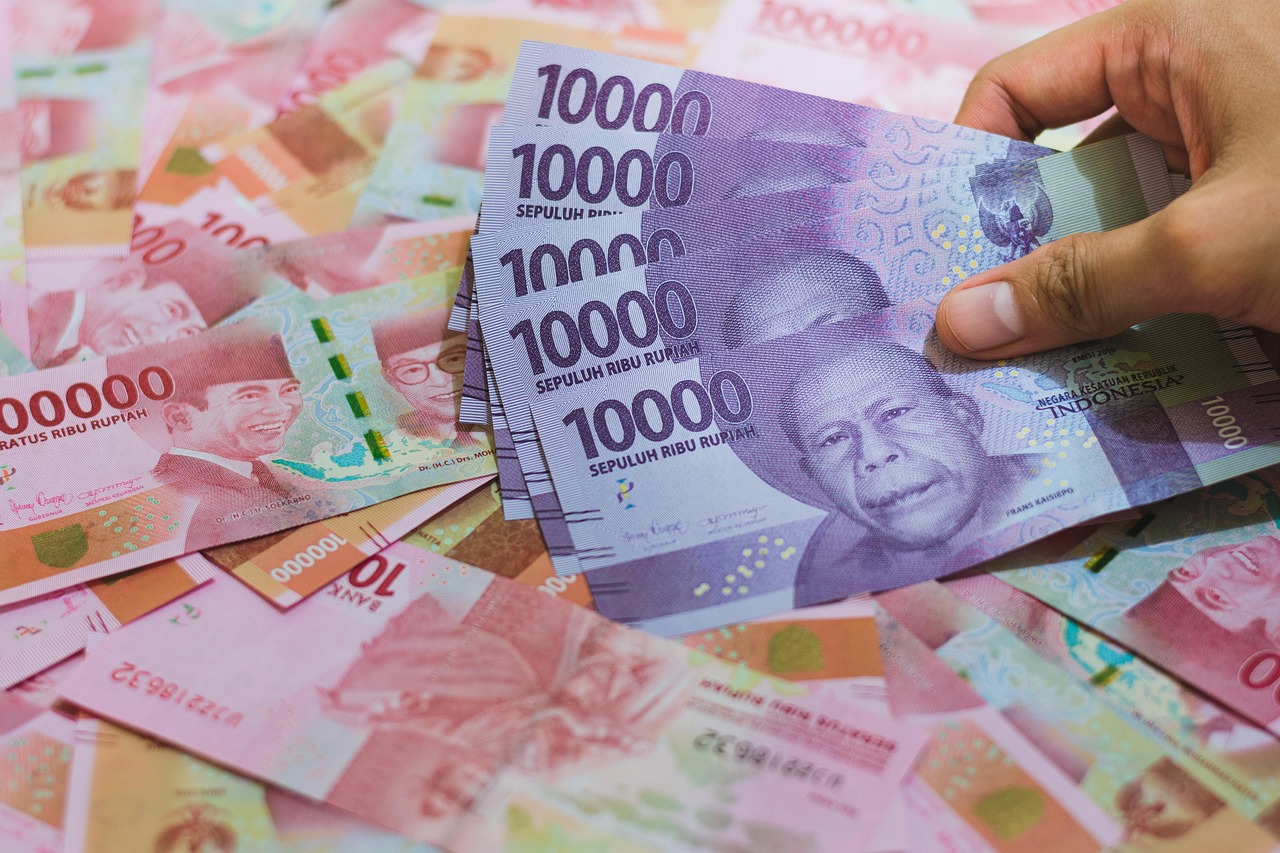
Indonesia’s rupiah has weakened 8 per cent and local stocks are down 39 per cent from five months ago, pushing Jakarta officials into another defence of the currency that now has to do more than calm one bad week. The finance ministry and Bank Indonesia plan to step up efforts to steady the rupiah and pull capital back after it touched all-time lows, Bloomberg reported. The move has turned a familiar intervention story into a test of whether investors still believe the policy mix.
The pledge follows a run of selling in which global funds have questioned whether Indonesia can support the rupiah, revive inflows and keep President Prabowo Subianto’s growth agenda intact. Dollar sales and smoother trading can buy time. They do not, by themselves, answer the harder question facing foreign holders: whether yields, central-bank independence and fiscal discipline are enough to justify staying in the trade.
Bank Indonesia has already been leaning against the move. Ramdan Denny Prakoso, a central bank spokesperson, said this week that the authority remained active after the currency fell, according to Reuters.
“Bank Indonesia has continuously been in the market to optimise all instruments to ensure market mechanisms are working and foreign exchange liquidity is adequate.”
Source: Ramdan Denny Prakoso, Bank Indonesia spokesperson
That support can slow disorderly selling. Rebuilding a risk premium usually takes something broader. Indonesia’s latest proposal is to raise the interest rate Bank Indonesia pays on government cash deposits. Bloomberg said the government has about 300 trillion rupiah, or $16.6 billion, placed at major state-owned banks, giving officials a way to lift returns and attract inflows without making spot-market support carry the whole response.
Governor Perry Warjiyo described the deposit move as a way to reduce the state’s interest burden and address ratings concerns. The detail is technical, but it goes to the centre of the trade. If higher remuneration makes government financing look more sustainable, it could ease pressure on both the rupiah and Indonesia’s sovereign risk premium. Warjiyo made the fiscal link explicit in comments carried by Bloomberg.
“If we increase the remuneration to the government, the government’s net interest burden will be better managed.”
Source: Perry Warjiyo, Bank Indonesia governor
The credibility channel
Investors are also marking the rules around Bank Indonesia itself. Parliament this week passed legislation expanding the central bank’s role in supporting growth and empowering lawmakers to make binding recommendations for independent financial regulators and the central bank, Reuters reported. That gives the selloff a second source of unease: even if market operations work, investors still have to decide how much independence risk to price into Indonesian assets.
The reaction function is messier than a simple rate call. DBS Bank Executive Director and Senior Economist Radhika Rao sees room for 50 basis points of further Indonesia hikes in the second half of 2026 if rupiah weakness persists, according to a Bloomberg Markets interview. That would make currency defence more explicit, while tightening financial conditions just as officials try to protect growth.
A policy answer built around deposit remuneration gives Jakarta a narrower route. Officials can try to improve the return on government cash, reassure ratings firms on the interest bill and support local yields before reaching for a broader tightening move. The catch is timing. If the currency steadies quickly, the measure may look like a bridge between fiscal needs and monetary defence. If it does not, investors may see another attempt to delay the harder choice between rates and growth.
Jakarta’s message is that it has more than one lever. The market’s answer will come through the currency and foreign demand for local assets. Renewed inflows would give the deposit-rate adjustment credibility. Another leg lower in the rupiah would make repeated stabilization vows sound less like reassurance and more like officials chasing the selloff.
Avery Lin
Markets editor covering US equities, single-name stocks and quarterly earnings. Reports from New York.