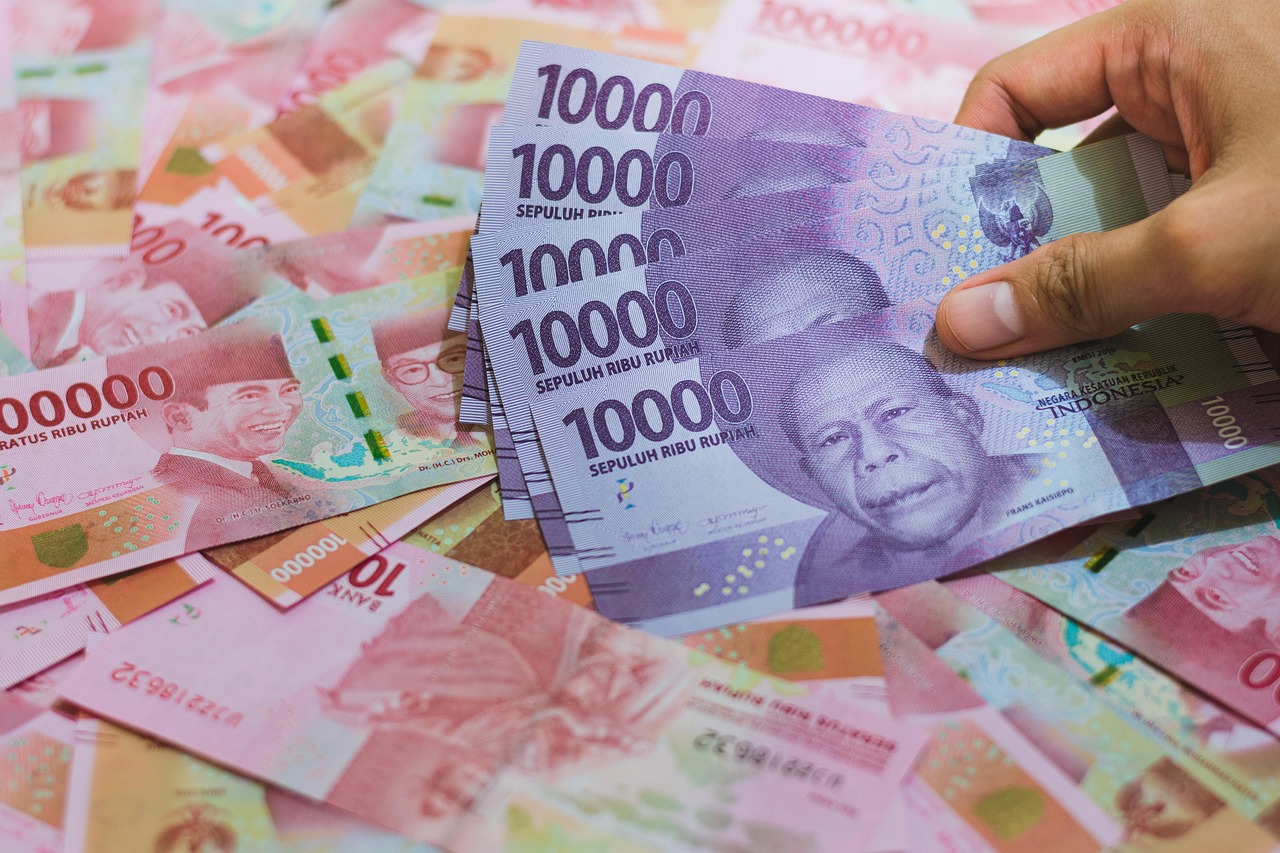
Bank Indonesia rate hike in play as rupiah plumbs new lows
Bank Indonesia rate hike bets rose after the rupiah hit 17,670 per dollar, with economists split on a 25-basis-point move to 5.00 per cent.
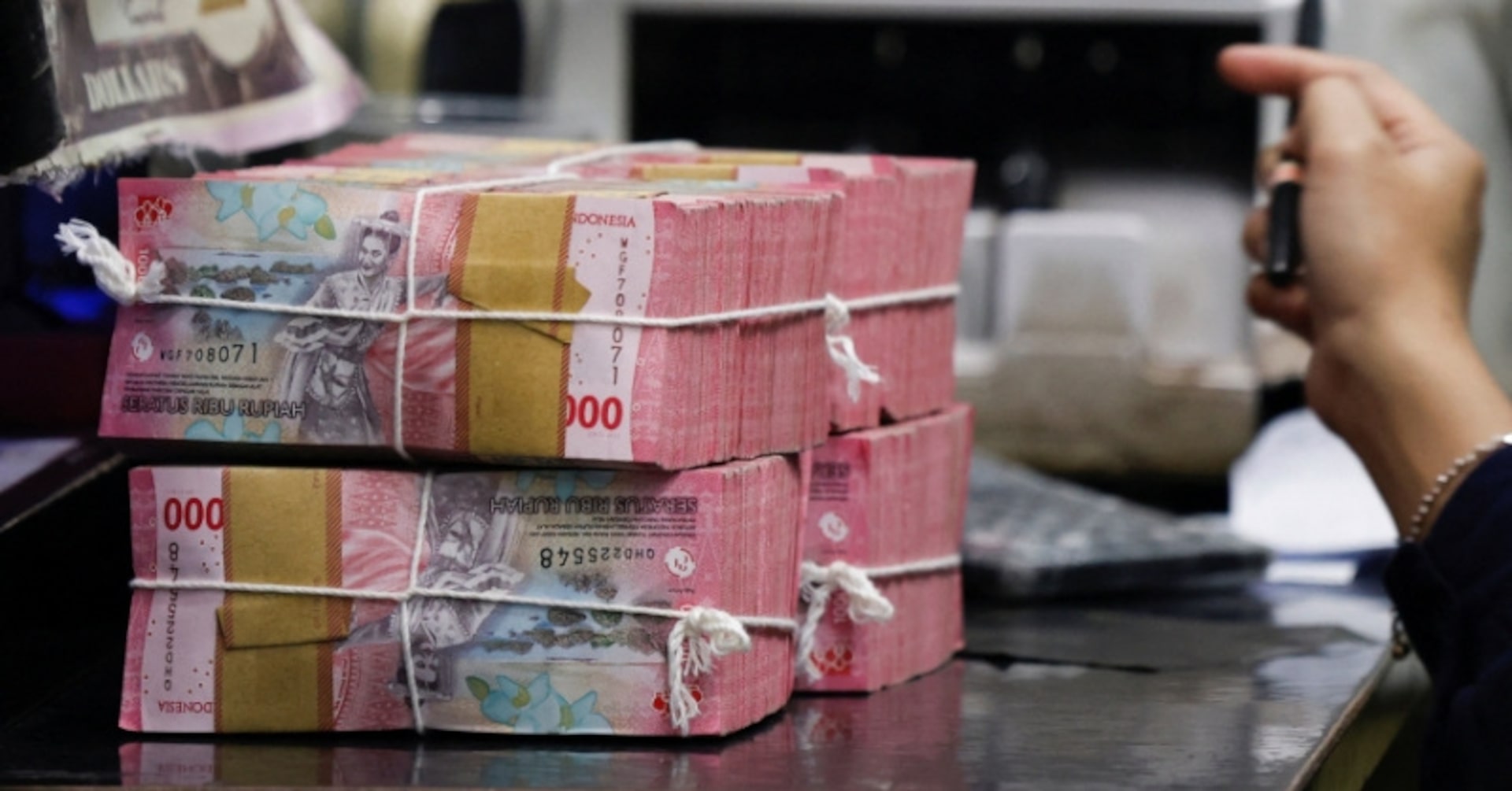
Bank Indonesia is back in play for its first rate increase in two years after the rupiah slid to a record 17,670 per dollar, pushing traders to price a defensive move from the central bank at Wednesday’s policy meeting.
Expectations have shifted fast. Twenty-five of 41 economists surveyed by Bloomberg now expect Bank Indonesia to lift the benchmark BI-Rate by 25 basis points to 5.00 per cent, while a Reuters poll of 29 economists showed 16 backing the same move. The meeting is now a live decision rather than a routine hold — a sharp turn for a central bank that had leant on intervention more than on higher borrowing costs.
The policy trade-off is getting harder to ignore. The rupiah is down about 6 per cent this year, according to Bloomberg, and Reuters reported that Bank Indonesia has already spent around $10 billion from its foreign-exchange reserves trying to steady the currency. A quarter-point move would not reverse that decline on its own. It would, however, tell investors that officials are prepared to use both rates and reserves to defend the exchange rate.
That is the pivot markets are testing.
Governor Perry Warjiyo has already stiffened the message. After the rupiah’s record slide, Reuters reported that he said officials were going “all out” to stabilise the currency — language that pushed the policy debate closer to an outright hike.
“This is not business as usual. We are going all out.”
— Perry Warjiyo, governor of Bank Indonesia, as quoted by Reuters
For investors, that language matters almost as much as the decision itself. If Bank Indonesia raises to 5.00 per cent, it would be acknowledging that currency weakness now poses a bigger near-term risk than the drag a higher policy rate could place on domestic demand. If it holds, markets will look for a stronger explanation of how intervention and other liquidity tools can do the job after the currency has already broken to a new low.
Pressure on the rupiah
Politically, the exchange rate has become harder to manage. President Prabowo Subianto tried to play down the slide, according to Reuters, arguing that villagers do not use dollars anyway.
“However many thousands of rupiah the exchange rate to the dollar is, you folks in villages do not use the dollar anyway.”
— Prabowo Subianto, president of Indonesia, as quoted by Reuters
Domestically, that may resonate. For foreign investors and importers, though, a weaker rupiah is not an abstract headline. It can raise the local-currency cost of fuel and other external inputs, unsettle portfolio flows and force policymakers to choose between supporting growth and restoring confidence in the currency. The closer the rupiah gets to fresh lows, the less room the central bank has to rely on reassurance alone.
How split the economist forecasts are shows how narrow the judgment has become. Reuters’ survey found only a slim majority for a hike, while Bloomberg’s tally pointed to no overwhelming consensus. Wednesday’s meeting is not about a widely expected policy reset. It is about whether the speed of the currency move has become persuasive enough to drag officials into a defensive increase that many did not expect even a few weeks ago.
What markets are watching
Wednesday’s decision carries two signals. The mechanical question is whether Bank Indonesia lifts the BI-Rate by 25 basis points. The harder one is interpretive: do officials frame the rupiah’s slide as a temporary market move or as a policy threat that demands a firmer response? After roughly $10 billion of intervention this year, according to Reuters, the bar for standing pat has risen — investors will want evidence that the central bank still has a credible line of defence.
For local bonds and regional currencies, the stakes are similar. If Bank Indonesia hikes, traders may read it as confirmation that policymakers across Asia have less flexibility when the dollar strengthens and energy costs stay high. A hold paired with more urgent language would send a narrower signal: reserves and spot intervention remain the first line of defence but a rate move is now on the table.
Bloomberg cast the debate as part of a wider squeeze on emerging-market currencies from higher global yields and stronger energy prices. The backdrop is why Indonesia’s meeting matters beyond Jakarta. A hike would signal that dollar pressure and imported costs are starting to force an emerging-market central bank back into tightening even without a domestic demand surge. A hold would signal that Bank Indonesia still believes it can protect the rupiah without reopening the cycle. Either way, Wednesday’s outcome will show how quickly currency defence can move from a trading story to a policy test.
Helena Brandt
Macro reporter covering the Federal Reserve, ECB, inflation prints and jobs data. Reports from Washington.