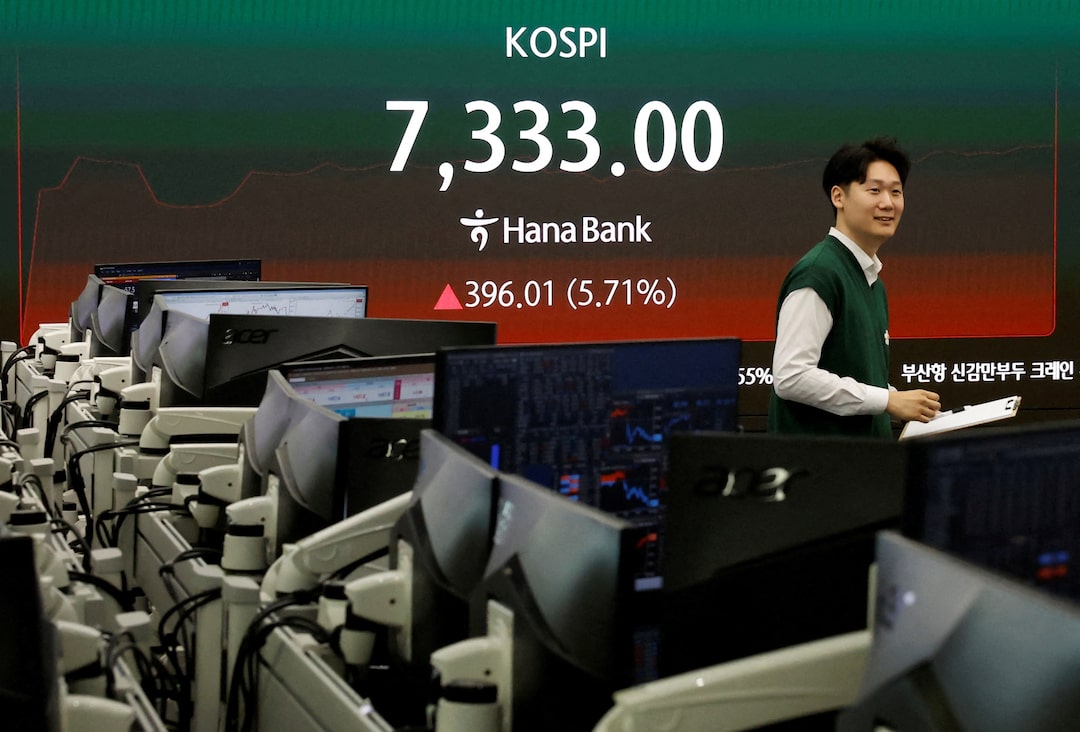
Korea Exchange turns stock volatility into a weekly trade
Korea Exchange weekly options would deepen hedging in Seoul, but in a retail-heavy market they could also make single-stock volatility the product.
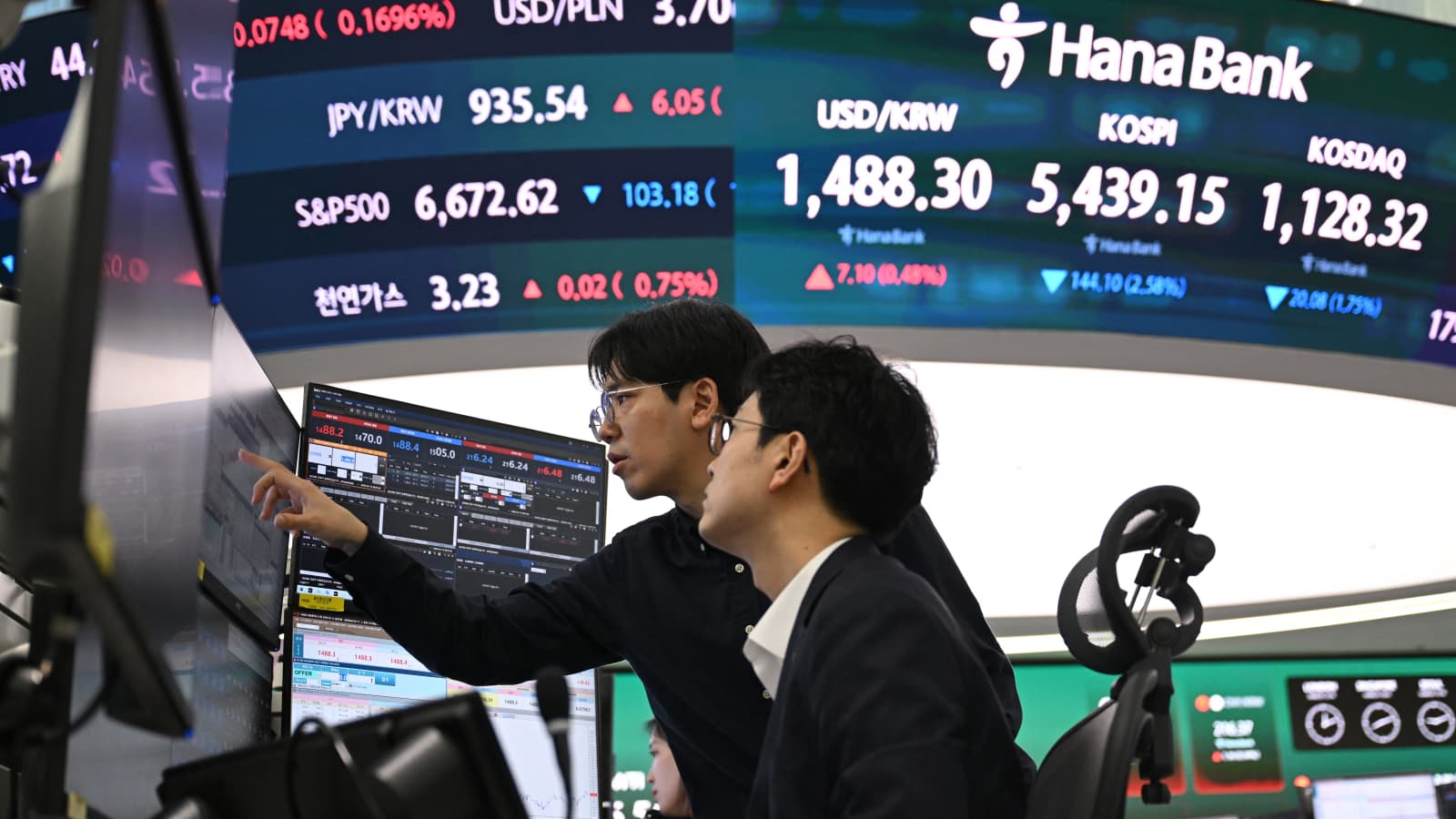
The Korea Exchange’s plan to launch weekly options on individual stocks would give traders in Seoul a faster way to price single-name swings, and it arrives just as South Korea’s equity market is already running hot. Bloomberg reported the bourse is targeting an end-of-June rollout, an aggressive timetable for a product that tends to work best when liquidity is deep and position discipline is real.
From the institutional side, the case is straightforward. Shorter-dated options let funds hedge event risk more precisely and let market-makers recycle risk across more expiries. HKEX has described weekly stock options as part of a global short-dated trading trend, while Bloomberg’s report on Euronext’s recent earnings underscored a simpler commercial point: volatility is often good business for exchanges.
But South Korea is not adding the product into a placid market. The country has already become a laboratory for retail demand in option-shaped income and geared products. Seoul Economic Daily reported that 71 per cent of covered-call ETFs traded in Korea track US assets, and that domestically listed covered-call ETFs had accumulated 19.39 trillion won in net assets by early April. Yonhap reported this week that Financial Supervisory Service governor Lee Chan-jin warned retail investors could suffer losses as volatility rises.
Why the exchange wants it
For the exchange itself, the logic is easy to see. Weekly contracts create more expiry points, more trading fees and more reasons for institutions to stay inside the local derivatives complex instead of expressing views through overseas products. The contracts also fit South Korea’s current market narrative. CNBC reported that an AI-led rally has helped lift South Korea and Taiwan in the global equity pecking order, which means the country’s biggest single names have become more visible to both domestic speculators and foreign macro traders.

In a Seoul Economic Daily report, one asset manager made the institutional argument plainly:
From an institutional perspective, this is positive in terms of product diversification, hedging and arbitrage opportunities.
— Head of one asset management firm, Seoul Economic Daily
The argument has substance. Covered-call funds, index options and weekly expiries all serve the same basic desire: more exact control over timing. A portfolio manager who wants to hedge a company event next week does not need to buy a month of time value. A dealer who wants to warehouse less risk near expiry would rather see flow spread across more dates than bunch into a single monthly contract. In that sense, weekly single-stock options are less a novelty than the next layer in Korea’s derivatives stack.
When liquidity turns into leverage
The harder question is what happens once the contracts meet Seoul’s trading culture. The research surfaced a core tension: short-dated options can either absorb risk or amplify it. When open interest is broad and dealers can hedge across orderly two-way flow, gamma trading can smooth price moves. When demand clusters in a few retail-favourite names and everyone wants the same strike into the same close, hedging can sharpen the move it was supposed to buffer.

Korea is not a slow market, and the distinction matters more for that reason. CNBC reported that foreign investors sold $13.2 billion of local equities last week, pushing market volatility near record levels. In a market that reactive, a weekly expiry does not merely offer precision. It can also compress more positioning into a narrower window. MarketWatch recently argued that bullish options flow and leveraged ETF demand are already powerful drivers of equity moves elsewhere. Korea is preparing to add another fast-turning instrument to the same ecosystem.
The local warnings have been blunt. Kang Dae-kwon told Seoul Economic Daily:
Short-term options on individual stocks could stimulate speculative impulses among investors and amplify closing-price volatility due to options hedging positions.
— Kang Dae-kwon, Life Asset Management, Seoul Economic Daily
And that is a partial answer to the analyst’s central question. Short-dated options do not automatically reduce realised volatility. When liquidity is wide and rules are tight, they can distribute risk more efficiently. At the strike, when liquidity is thin and the user base treats the contract as a cheap momentum ticket, they can intensify end-of-day moves instead. Cboe has argued that option-income products can suppress volatility in some settings. Korea’s problem is that the same mechanics can run in reverse when positioning is concentrated.
The retail protection test
The regulatory perspective is more straightforward. South Korea is opening another door for tactical gearing at the same time it is debating how much retail risk the market should tolerate. According to The Korea Times, local authorities are also preparing single-stock leveraged ETFs tied to names such as Samsung Electronics and SK hynix, with daily leverage capped at 2x. Product innovation is arriving in clusters rather than one contract at a time.
Which is why the investor-protection detail matters. The question is not whether experienced desks can use weekly options intelligently. They can. It is whether the retail segment that already chases margin exposure will treat a fast-decaying derivatives contract as a hedge or as a lottery ticket with better branding. Choi Chul told The Korea Times:
For people driven by that kind of motivation, it’s fair to question how effective just two hours of training will be.
— Choi Chul, The Korea Times
US regulators have already had to spell out similar risks. In a 2022 statement on single-stock levered and inverse ETFs and a separate Investor.gov alert on options trading, the SEC made the same broader point: complex short-horizon products make sense only when buyers understand compounding, decay and position sizing. The warning travels easily across borders.
What matters for scramnews readers is that the Korea Exchange is not inventing demand for geared exposure. The exchange is packaging demand that is already visible in covered-call funds, retail turnover and the next wave of single-name ETFs. Weekly options could deepen hedging and price discovery in the local market. Either outcome could also turn South Korea’s existing appetite for tactical speculation into a more continuous fee stream for the exchange itself.
The launch date matters less than the first few months of flow. Weekly options will trade. The real test is whether Seoul gets a sharper hedging tool or a cleaner wrapper for speculation. In markets where volatility is scarce, short-dated contracts help investors find it. In South Korea’s market, where volatility is already abundant, the exchange is preparing to sell it in smaller, faster pieces.
Sloane Carrington
Markets columnist. Analytical pieces and deep-dives on monetary policy, capital flows and corporate strategy. Reports from New York.