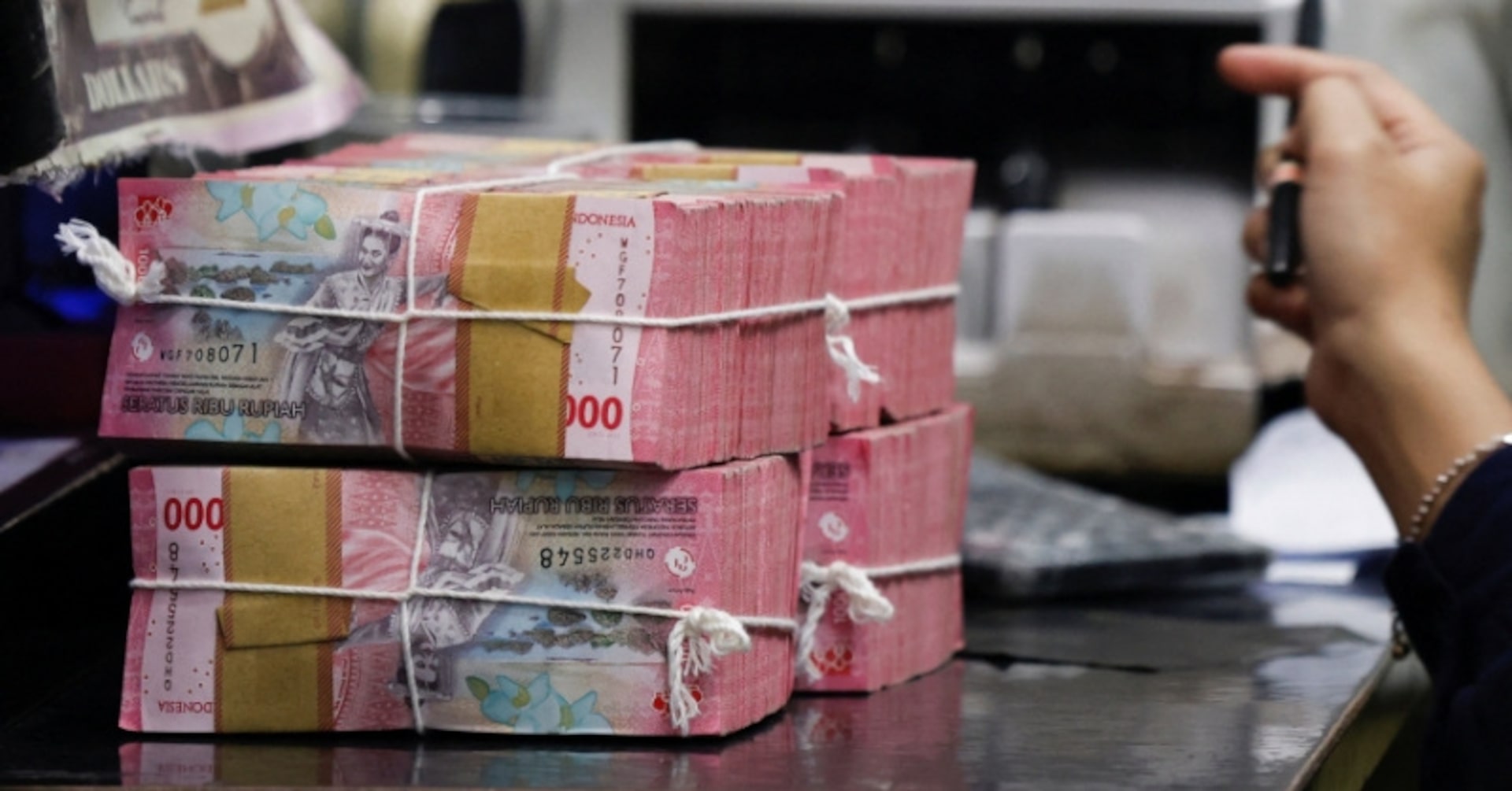
Indonesia stocks hit five-year low as rupiah sets record
Indonesia stocks fell 5.2% and the rupiah hit a record low as oil-driven inflation pressure forced a harder EM rates trade.
Indonesia’s Jakarta Composite Index fell as much as 5.2 per cent on Wednesday to its lowest level since May 2021, while the rupiah weakened 0.5 per cent to a record low as foreign outflows and oil-driven inflation pressure hit Southeast Asia’s largest economy.
The joined slide in stocks and the currency points to tighter funding conditions across Indonesia’s markets. Global funds have pulled $3.2bn from local shares this year and the Jakarta Composite is down about 32 per cent in 2026, Bloomberg reported. That left the market exposed to another shock in oil, rates or sovereign-credit expectations. After months of repricing, the new low moved the argument from valuation to liquidity. The index and the rupiah are both showing that offshore capital wants a larger risk premium before it returns.
Mohit Mirpuri, a partner at SGMC Capital Pte, said investors remained cautious because of Indonesia’s fiscal path, speculation about a potential sovereign-rating downgrade and continued rupiah weakness, according to Bloomberg’s report. Each pressure point makes the next one harder to absorb. A weaker currency lifts imported-price risk, higher inflation narrows the space for rate cuts and a falling equity market gives foreign investors less reason to finance the gap.
Consumer prices rose 3.08 per cent in May from a year earlier, Bloomberg said. Higher oil prices have also raised the cost of defending currencies across import-dependent emerging markets. Bank Indonesia surprised investors with a half-point rate increase in May to intensify support for the rupiah. Wednesday’s market action showed that the move bought policy makers time without resetting the asset-price story. Traders are still weighing whether the next defence comes through rates, intervention, fiscal signals or a mix of all three.
That is the policy trap now showing up in Jakarta prices. A harder currency defence may steady the rupiah at the margin. It can also tighten domestic financial conditions and add to pressure on equities. Cheap shares are a weak draw if the currency has no credible floor.
Indonesia’s move fits a wider emerging-market rates trade. At least 10 emerging and frontier-market central banks have raised interest rates since late February as the war in Iran reignited inflation pressure, Bloomberg Economics reported. Developing-world policy makers have moved ahead of many richer-economy peers because currencies are carrying the first shock from energy prices and dollar demand. For equity investors, that blocks the usual relief valve of easier local policy.
India is being pulled into the same debate, though from a stronger starting point. Venugopal Garre, managing director and head of India research at Bernstein, told CNBC it would be “more logical” for India’s central bank to chart a different course and raise rates if currency pressure worsens. The comparison matters for Indonesia because a broader Asia FX-defence cycle would make Jakarta’s tightening look less isolated. It would also raise the cost of capital across the region.
Chart signals have offered little comfort. Herditya Wicaksana, an analyst at MNC Sekuritas in Jakarta, said the JCI remained in a broader downtrend and had yet to show valid signs of a reversal, according to Bloomberg. Dip buyers have little near-term confirmation beyond the size of the fall. Currency stability may be the cleaner signal that forced selling is easing.
The next test is whether policy makers can separate the rupiah from the equity drawdown. If oil prices keep inflation expectations elevated, Bank Indonesia may have to defend the currency while shares are falling. If the rupiah stabilises, foreign investors may treat Wednesday’s five-year low as a stressed entry point. Until then, Indonesia is trading less like a local correction and more like the live edge of the emerging-market inflation shock.
Avery Lin
Markets editor covering US equities, single-name stocks and quarterly earnings. Reports from New York.