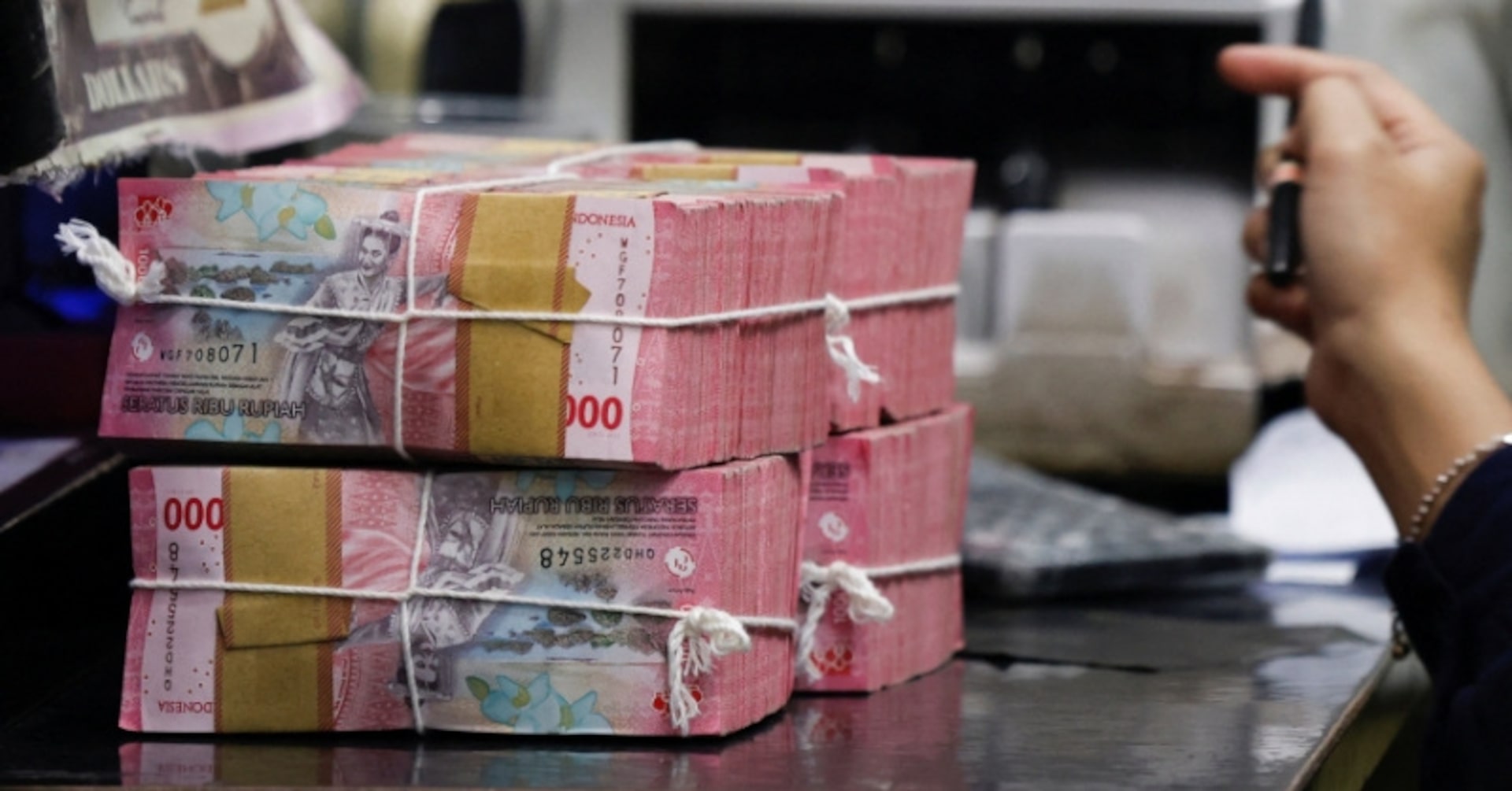
Danantara bond sale raises $1.5bn after Indonesia rout
Danantara bond sale raised $1.5 billion, drawing orders even as Indonesia’s bonds, rupiah and policy mix stayed under pressure.
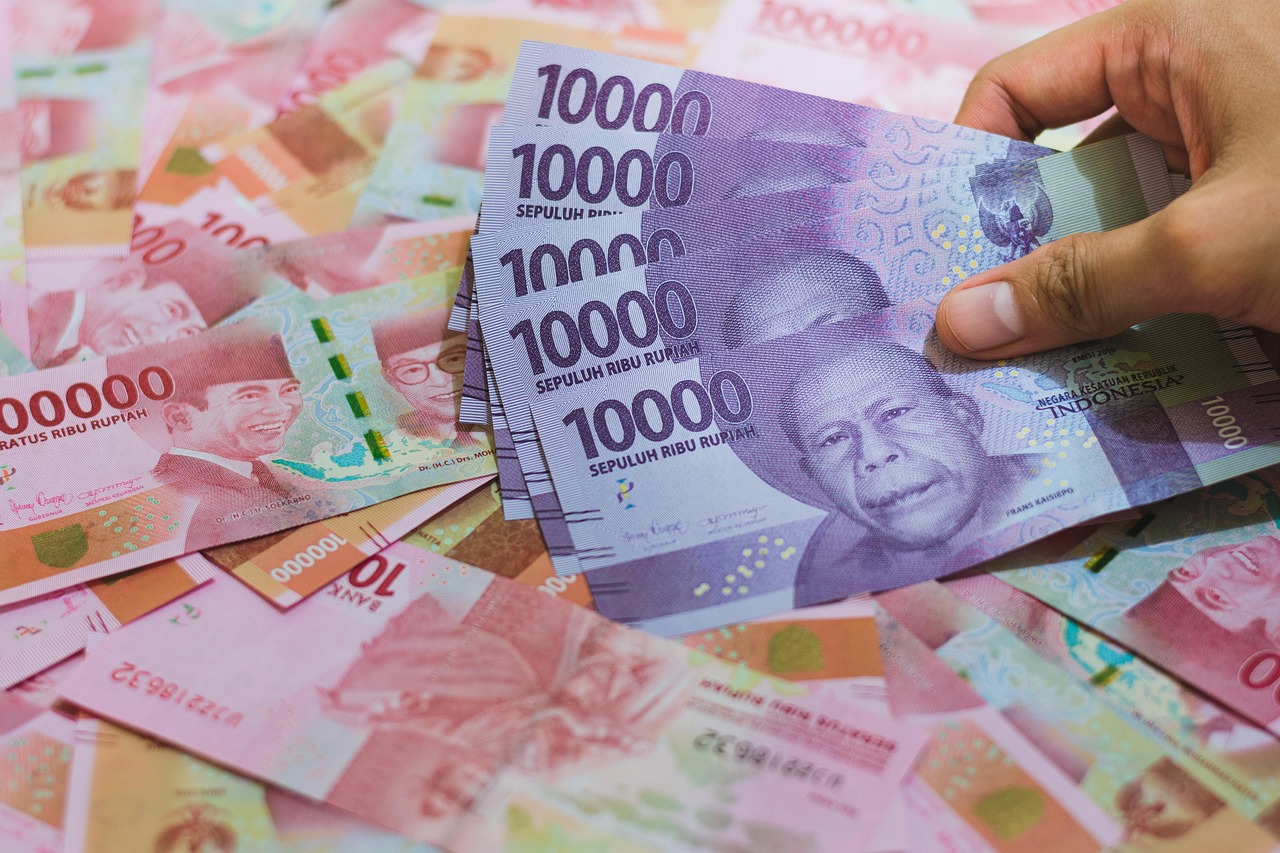
Danantara raised $1.5 billion in its first dollar bond sale, drawing enough orders to cut final yields even as Indonesian bonds, the rupiah and local shares stayed under pressure after Bank Indonesia’s surprise rate increase.
The sovereign wealth fund’s unit sold five-year and 10-year notes at 5.35 per cent and 5.95 per cent, respectively, after orders peaked at about $4.6 billion, Reuters reported. Final yields tightened by 35 basis points from initial guidance. For President Prabowo Subianto’s new investment vehicle, the order book was enough to clear its first offshore funding test without paying the full stress premium visible in local markets.
That counts as a win. It does not settle the question investors were asking before the sale opened.
Indonesian bonds resumed declines this week as investors questioned whether a 25-basis-point off-cycle rate increase to 5.50 per cent would steady the rupiah and rebuild confidence in Southeast Asia’s largest economy. Danantara kicked off the sale after that pressure had spread across local assets. Bloomberg said the offering tested demand as domestic bond losses restarted; regional commentary has also pointed to worries over fiscal direction, central bank independence and the larger role Prabowo wants the state to play in investment.
A funding test for Prabowo
Danantara was set up as a sovereign wealth fund with a wider development mandate. A June presidential decree created an investment arm intended to support national development and public services with social and economic impact, Reuters reported. The structure gives the fund two units and makes it a visible part of Prabowo’s economic program.
The order book matters because it separates two markets that are moving on different clocks.
Global credit buyers are still willing to take Indonesia exposure when the coupon compensates for political and currency risk. Equity investors, local bond holders and rupiah traders are making a broader judgement about the policy mix. Dollar-credit funds can buy a specific issuer and maturity; domestic investors have to price the whole macro package, including how far Bank Indonesia is willing to lean against outflows.
The new notes also give Danantara some distance from Indonesia’s domestic liquidity problem. A hard-currency bond offers a defined claim, a fixed coupon and dollar settlement. Local sovereign debt carries the added question of where the rupiah trades next.
Bloomberg quoted Lakshmanan R as saying the outcome beat his expectations. “The final pricing was much stronger than we expected,” he said, according to Bloomberg.
Rates remain the pressure point. Bank Indonesia raised rates by 25 basis points in a surprise move after rupiah weakness and global volatility intensified. Governor Perry Warjiyo told reporters to “please wait for next week” when asked whether another policy move could follow, according to Reuters. That answer left traders focused on the next central bank signal rather than on one stabilising move.
The policy backdrop matters because Danantara is more than another state borrower. Its remit puts it near the centre of Prabowo’s attempt to mobilise state assets for development, and the pricing on its debt will help define the cost of that plan. A lower premium would give the fund room to finance projects without looking like an added strain on the sovereign balance sheet.
Bloomberg’s separate report on the bond selloff carried the same caution. Jessica Tasijawa said there was still room for yields to rise until rupiah pressure stabilised, according to the report. For Danantara, the message is mixed: the debut bond attracted cash, but the benchmark for future Indonesian borrowing has not stopped moving.
The next test is whether the sale becomes a floor for sentiment or only a well-priced exception. If the rupiah steadies and local yields stop rising, Danantara’s $1.5 billion issue will look like an early proof point for Prabowo’s funding model. If the selloff deepens, the deal will look more like a credit-market carve-out from a broader repricing of Indonesia risk.
Avery Lin
Markets editor covering US equities, single-name stocks and quarterly earnings. Reports from New York.