Federal Reserve minutes show split over 2026 rate path
Federal Reserve minutes from June showed stronger inflation concern and no immediate support for cuts, keeping the 2026 rate path divided.
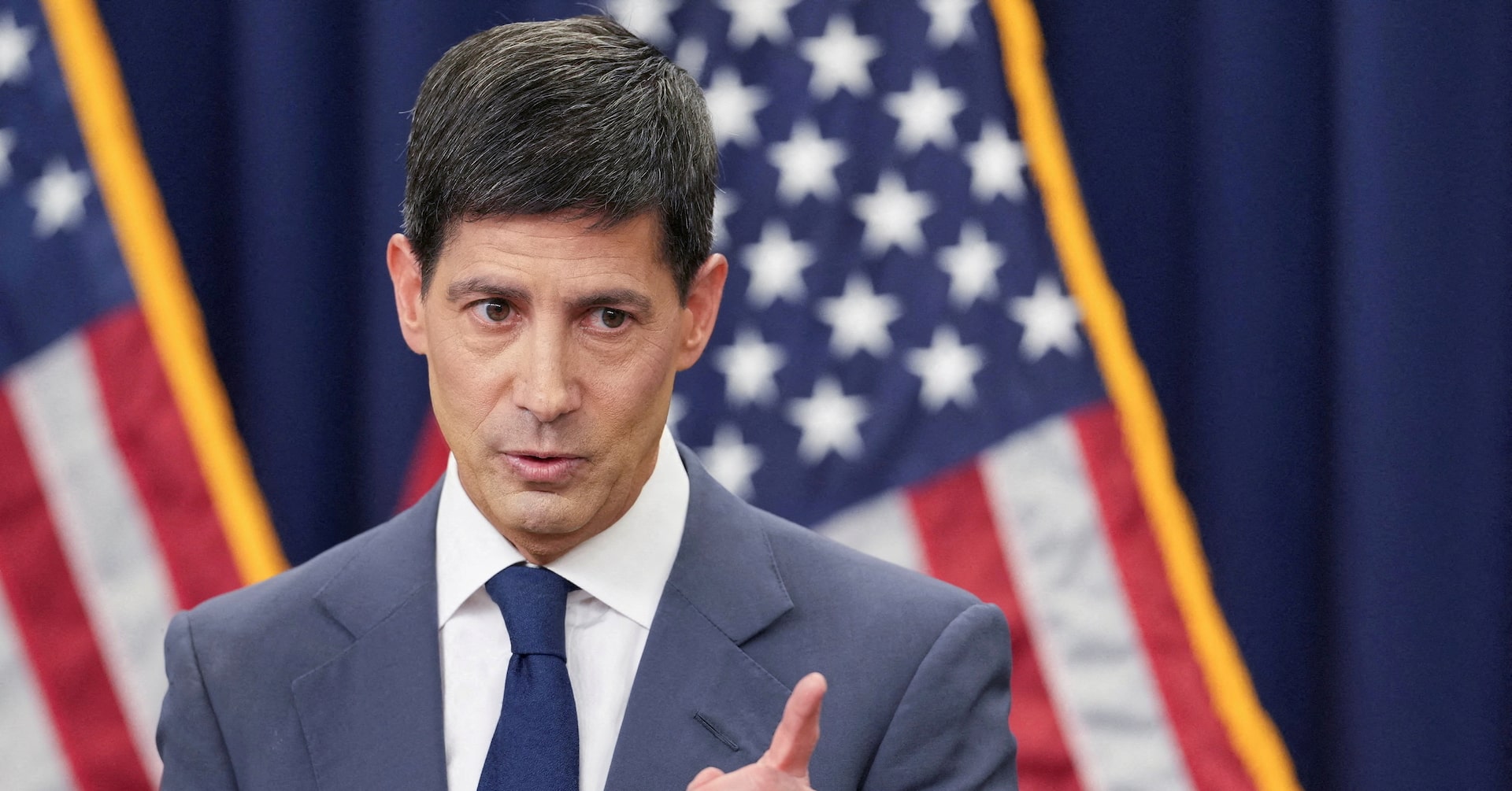
Federal Reserve officials left their June meeting more uneasy about inflation, according to the minutes from the June 16-17 session, giving investors the first detailed look at how Kevin Warsh’s Fed is lining up: united on holding rates steady, but split over the 2026 path.
The market question was not the decision itself. Officials had already kept the federal funds target range at 3.5 per cent to 3.75 per cent. The minutes mattered because they showed a committee that is still reluctant to reopen the door to near-term cuts while inflation remains above target.
The Federal Reserve minutes said all participants backed leaving the target range unchanged in June. No bloc was ready to push for an immediate pivot after Warsh took the chair. The record also kept the inflation language plain, saying price pressures were still above the central bank’s 2 per cent goal.
“All participants supported maintaining the current target range for the federal funds rate.”
Federal Reserve minutes
The agreement on the hold did not settle the next move. Reuters reported that nine of 18 policymakers, in projections released with the meeting, saw rates ending 2026 slightly higher than they had expected earlier. That left the middle of the committee less comfortable betting on a smooth disinflation path.
The same message appeared in the minutes’ wording. Inflation “remains elevated relative to the Committee’s 2 percent goal,” the record said. For investors looking for an early-cut signal from the first Warsh meeting, the document read tighter than the unchanged rate decision did on announcement day.
Jeffrey Roach, chief economist at LPL Financial, said the record still allowed more than one reading as officials weigh stubborn inflation against the risk of leaving policy restrictive for too long. “There’s some ambiguity in the minutes, suggesting several competing views on policy,” Roach told Reuters.
What changed under Warsh
Before the release, analysts had been watching whether the new chair would change how much of the Fed’s internal debate reaches the public record. Reuters noted that the June minutes were about 20 per cent shorter than the prior set, roughly 1,000 words lighter. That may give markets less detail on how individual camps argued their case, even though the main policy message survived.
A shorter document does not alter the vote. It can still make it harder for traders to judge how close officials are to forming a common view. In this version, Warsh’s first set of minutes did not offer a clean easing cue: the committee held its range steady, treated inflation as the binding problem and left a rate path that still sits higher for half of policymakers than it did in their earlier projections.
That is the policy signal investors now have to trade around. The June minutes answered one question: the new chair inherited a committee that is not ready to cut together. They left another unresolved. Markets still do not know how much softer inflation or labour data would need to become before that split narrows.
Helena Brandt
Macro reporter covering the Federal Reserve, ECB, inflation prints and jobs data. Reports from Washington.