SK Hynix US listing demand tops 7x as AI-memory trade holds
SK Hynix US listing demand topped seven times the shares on offer, signaling investors still want AI-memory exposure after the chip selloff.
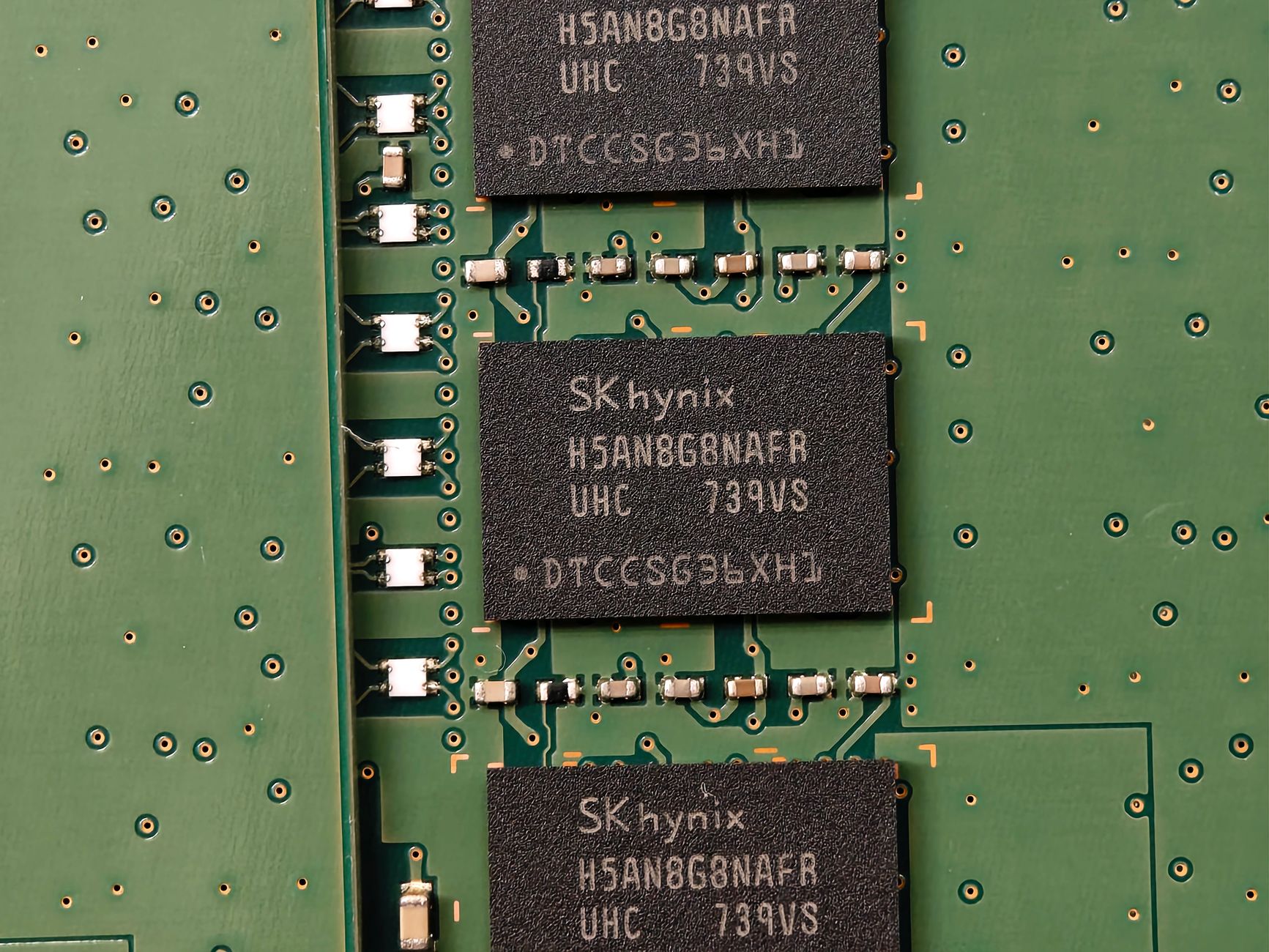
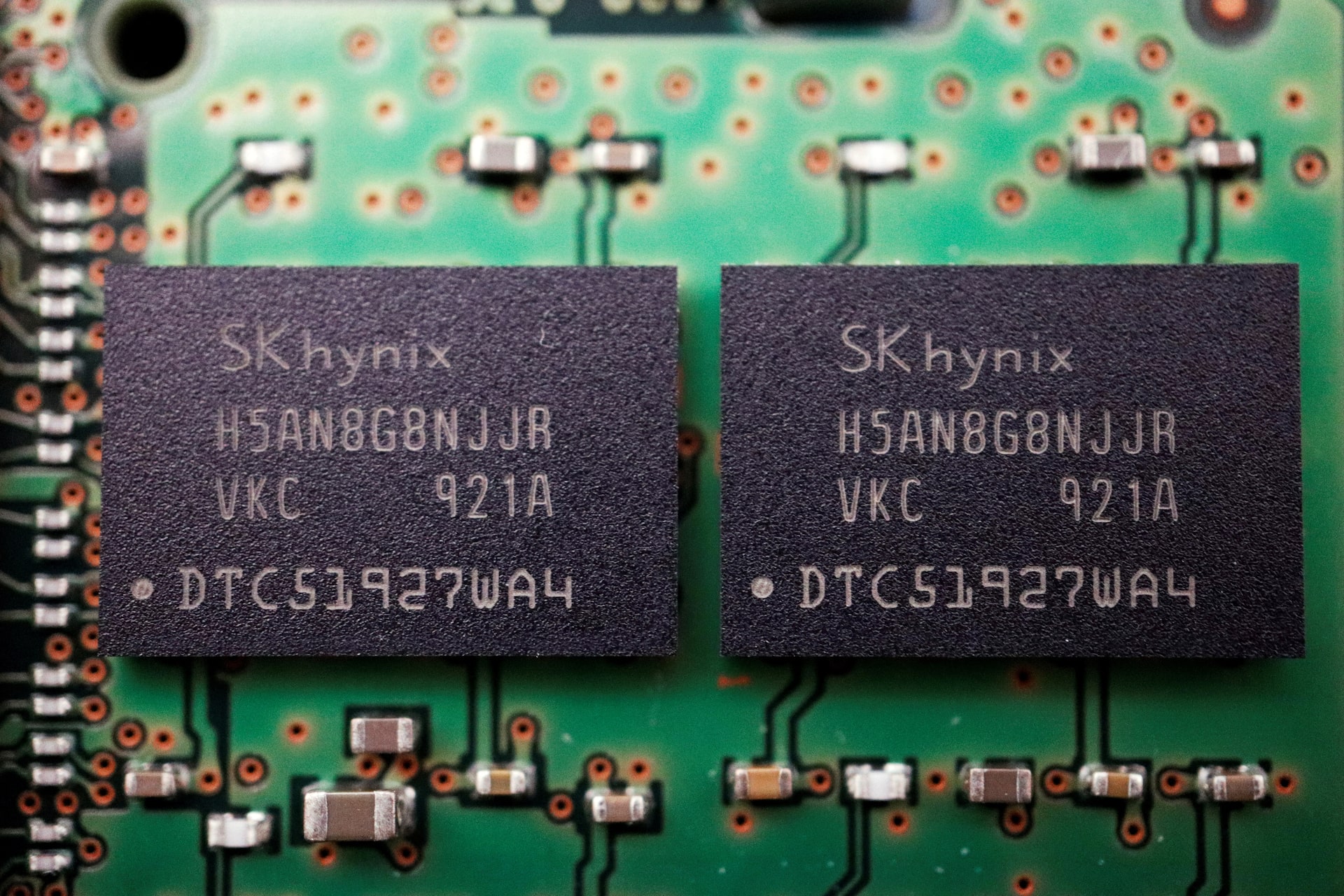
SK hynix Inc. (000660.KS) drew orders for more than seven times the shares available in its planned $28 billion U.S. ADR sale, Reuters reported, giving the market a cleaner gauge of demand for AI-memory exposure before Thursday’s pricing.
The book filled after a rough week for semiconductor shares. CNBC reported that chip stocks sold off after Samsung Electronics missed the market’s high AI bar, and MarketWatch noted that South Korea’s benchmark market had fallen into bear-market territory. The heavy demand for SK hynix therefore says something narrower and more useful: investors are still willing to pay for the part of the AI trade linked to memory shortages.
Yahoo Finance said the offering covers 177.9 million American depositary shares, equal to 17.79 million common shares, and is meant to give U.S. investors easier access to a company many have had to buy in Seoul. A separate Reuters report called the sale one of the largest new share offerings on record and said the bookbuild would close Wednesday, putting attention on the final price and the first day of trading.
The ADR structure also changes the audience for the stock. U.S. funds seeking direct exposure to the HBM shortage have generally had to buy in Korea or reach SK hynix through broader semiconductor baskets. A clean U.S. listing would give them a more direct way to express the view that AI infrastructure spending is still flowing first to bottleneck suppliers.
Why the book filled
The demand rests on a product story rather than broad chip enthusiasm. Yahoo Finance reported that SK hynix cited a 56.4 per cent share of the high-bandwidth memory market in its SEC filing, a dominant position in the chips used alongside Nvidia’s AI processors. Buyers appear to be treating HBM as a scarce near-term asset even as valuations elsewhere in the chip complex cool.
Patrick Moorhead, founder and chief executive of Moor Insights & Strategy, told Yahoo Finance that the memory cycle now looks very different from the last downturn:
“Let’s not forget a few years back these memory makers were negative gross margins, not negative … net income, but negative gross margins.”
“They were literally selling stuff below costs, and then they rapidly pulled back on capex and … here we are.”
Patrick Moorhead, Moor Insights & Strategy, via Yahoo Finance
His argument is that the industry’s earlier retrenchment left less slack just as AI server demand began pulling HBM into tighter supply. That is a cleaner thesis than the old boom-bust memory trade, and it helps explain why the deal found buyers in size.
Investors kept leaning into the sale even after SK hynix shares had risen 193.1 per cent over the past six months, according to Yahoo Finance, and despite the roughly 7 per cent drop cited by CNBC earlier this week. The order book suggests buyers were paying for earnings visibility tied to AI infrastructure, rather than treating the company as a plain cyclical DRAM name.
What it means for listings
Some of that conviction showed before the book closed. MarketWatch reported earlier this week that Baillie Gifford, Coatue Management and Situational Awareness had indicated they could buy up to $7 billion of ADRs, giving the transaction a heavyweight anchor base before final allocations. Those names point to demand from specialist growth investors, not only fast-money accounts chasing an opening print.
The read-through goes beyond one stock. Reuters said SK hynix plans to use the proceeds for new factories and equipment, while Semafor argued that investors are increasingly willing to fund the chokepoints of the AI supply chain. If a Korean memory champion can fill a $28 billion U.S. book in this tape, bankers will take it as evidence that capital-intensive AI suppliers still have access to deep equity pools.
Whether that demand becomes a sustained premium will depend on the final price, the relationship to Seoul-traded shares and the first few sessions. Those tests are still ahead. For issuers and bankers, the book’s size has already answered the immediate question: large AI-linked hardware deals can still draw serious capital when the broader chip tape turns volatile.
That does not mean the stock will sail once trading begins. Oversubscription measures order-book demand, not how shares behave after allocations are set and hedge funds start rotating. The immediate signal is still hard to miss. After the chip selloff, investors were prepared to queue for scarce AI-memory exposure.
Naomi Voss
Banks and deals reporter covering bank earnings, fintech, M&A and IPOs. Reports from New York.