Apple tests CXMT chips for China devices as costs rise
Apple tests CXMT chips for China devices as rising memory bills force the iPhone maker to weigh lower costs against U.S. policy risk.

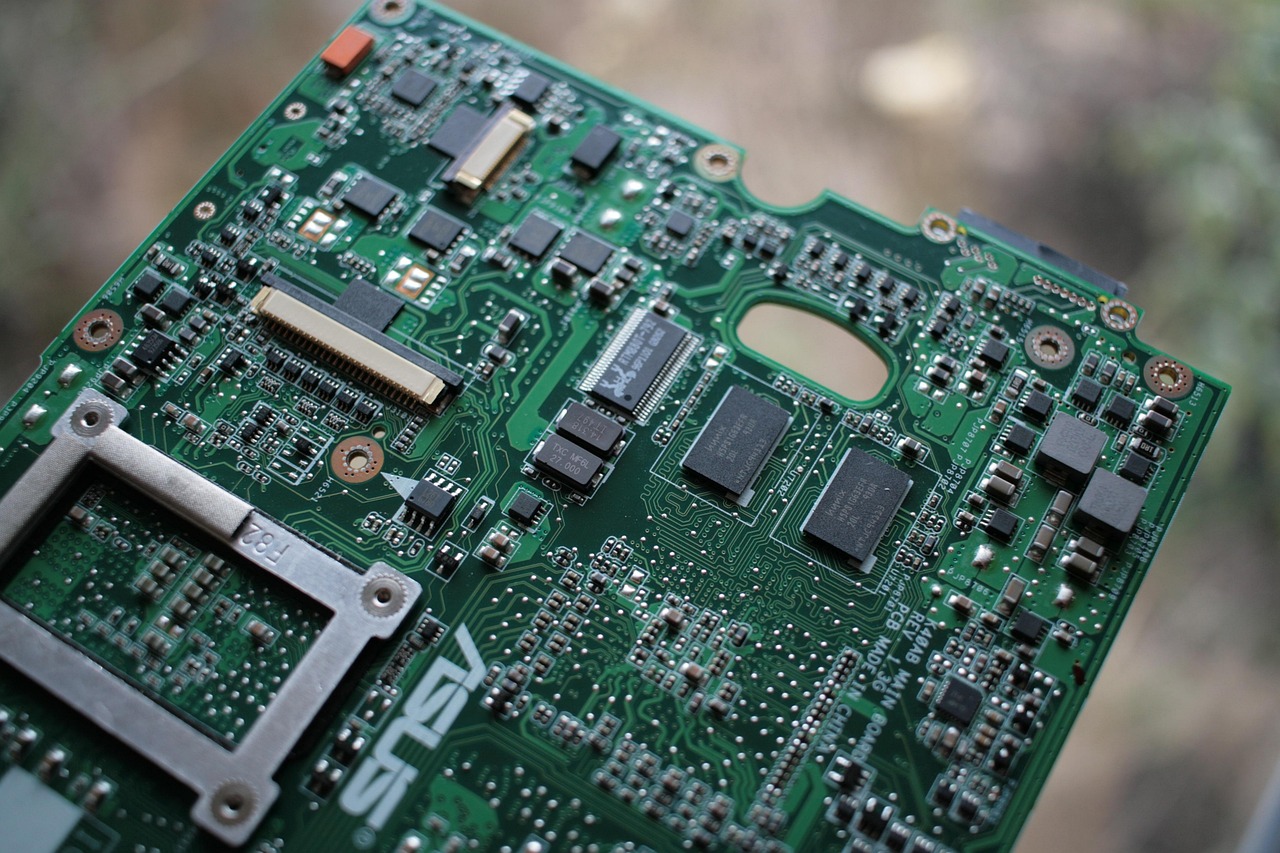
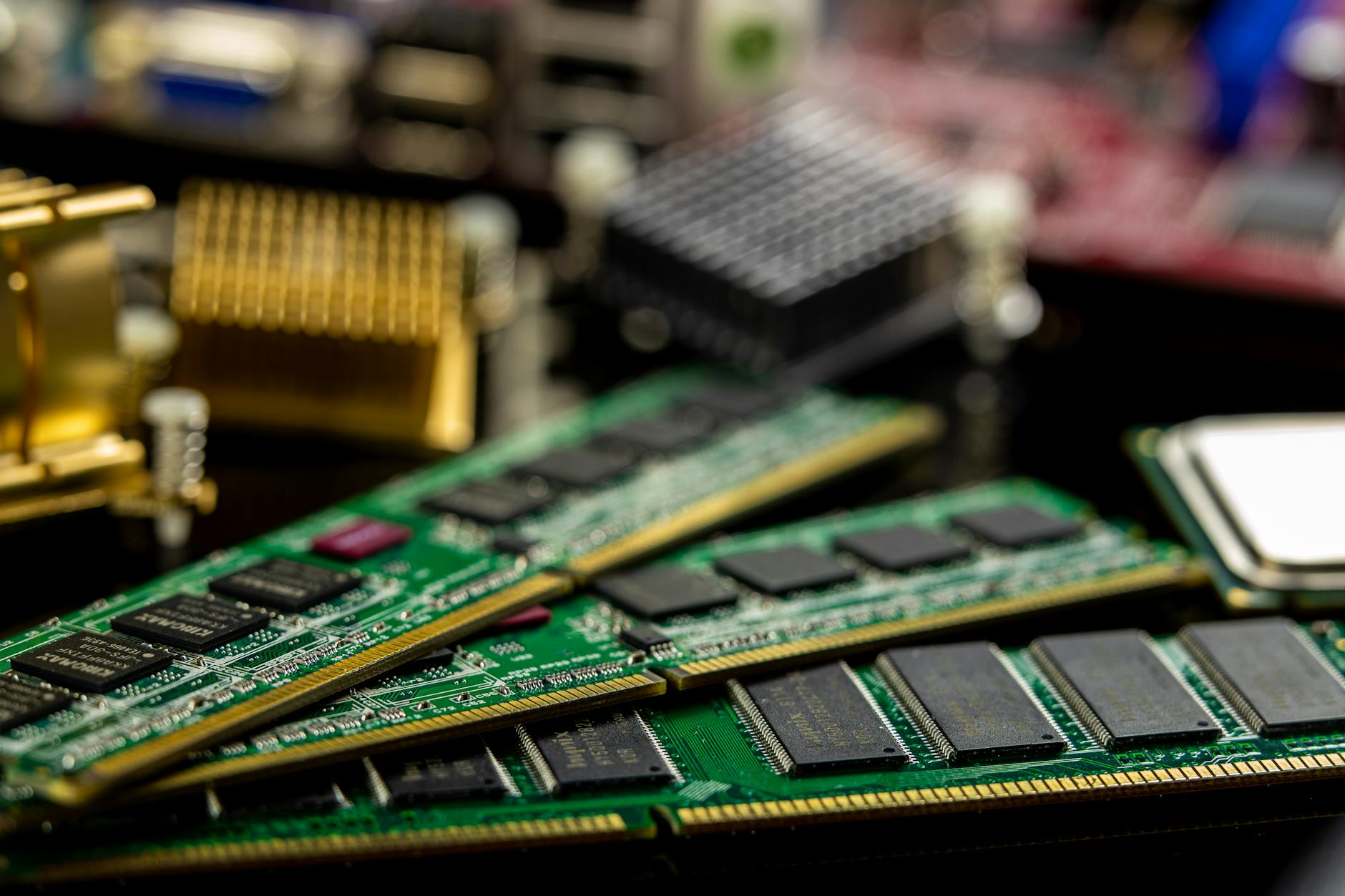
Apple has begun testing DRAM chips from Chinese supplier ChangXin Memory Technologies for devices sold in mainland China, the Financial Times reported on Wednesday. The limited trial puts a procurement problem inside Washington’s long-running fight over Chinese semiconductor capacity.
The test matters because the CXMT question has moved from lobbying into product qualification. A late-June FT account of Apple’s push for approval described Apple as seeking room to work with the Chinese memory producer more broadly. The latest report goes one step further, placing CXMT parts inside the component review that determines whether a chip can ship in an Apple device. If the parts pass for China-only models, Apple gets another way to manage costs in a market where pricing, manufacturing relationships and political access are tied together.
The politics are not theoretical.
Apple wants to defend margins and share in China. Washington wants to limit the Chinese chipmakers that can gain credibility through links with global technology groups. Testing a local supplier for mainland devices does not resolve that conflict, but it forces a more specific set of questions: which parts can be qualified, for which market, and under whose approval.
The cost pressure is already showing up in Apple’s product line. In a Reuters report on the company’s June price increases, Apple lifted the starting price of its Neo laptop to $699 from $599 as memory costs climbed.
We have never seen a component price increase this much, this quickly
Apple, via Reuters on June 25
That quote explains why a China-only supplier test would be attractive to Apple’s procurement team, even with the politics around CXMT. Memory inflation has moved from the bill of materials into consumer prices, where Apple has less room to hide it.
Analysts are not treating CXMT as a quick fix. In comments carried by CNBC’s report on the testing effort, Ray Wang said a capacity expansion would not immediately flood the market with cheap chips.
CNBC cited a planned 29.5 billion yuan ($4.3 billion) Shanghai initial public offering for CXMT and said at least 15 state-owned shareholders collectively hold 36 per cent of the company. The same report said CXMT’s share of the DRAM market is projected to reach 15 per cent by 2028, from roughly 11 per cent last year. That is enough scale for Apple to pay attention, not enough to make substitution simple.
Why China matters
From Apple’s side, the experiment looks deliberately narrow: devices sold in China, not the global hardware lineup. A local memory source could help in a market where manufacturing, regulatory relationships and retail pricing increasingly overlap.
Nothing in the reporting suggests Apple is close to a full supplier swap. Qualification comes before volume commitments. Still, testing is the point where a political headline starts to matter to engineers, procurement teams and investors, because it places a debated source inside the internal process that decides whether a component can ship in a finished device.
China’s importance makes the distinction meaningful. Apple still needs to protect margins in one of its biggest markets while staying within U.S. policy boundaries that keep shifting. A trial confined to China-sold devices would let the company say it is responding to local commercial conditions, not rewriting the memory stack for every iPhone and Mac it ships.
Tim Cook had signaled the pressure earlier this year. In February, he said in a Reuters report on the global memory crunch that Apple expected “significantly higher memory costs.” Set beside the current testing, that warning reads less like a cyclical complaint from a buyer in a tight market and more like the commercial case for widening Apple’s options, even when those options sit inside a geopolitical fight.
Investors and regulators will now watch whether testing stays at qualification or turns into procurement. If it does, Apple will have shown that the shortest route through a memory crunch may run through the policy line Washington has spent years trying to harden.
Avery Lin
Markets editor covering US equities, single-name stocks and quarterly earnings. Reports from New York.