Apple price rises 2026: chip costs force product hikes
Apple price rises in 2026 are being driven by higher memory and storage chip costs as AI server demand tightens supply, Tim Cook said.
Apple plans to raise prices on some products after memory and storage chip costs climbed, with Tim Cook saying the squeeze had become unavoidable as AI data-centre demand tightened supply. The warning puts a consumer price tag on the infrastructure boom that has lifted chipmakers this year. For investors, it is another sign that the AI spending cycle is moving past server racks and into everyday electronics.
In interviews reported by Reuters and BBC News, Cook did not say when increases would take effect or which devices would be affected. His comments still point to a squeeze running from memory suppliers to phone and PC makers. Those suppliers have been able to command better terms from AI server customers, leaving consumer-hardware groups to decide how much of the higher bill they can absorb. Since Apple sets the pricing tone for much of the premium handset market, the decision will not sit only on its own shelves.
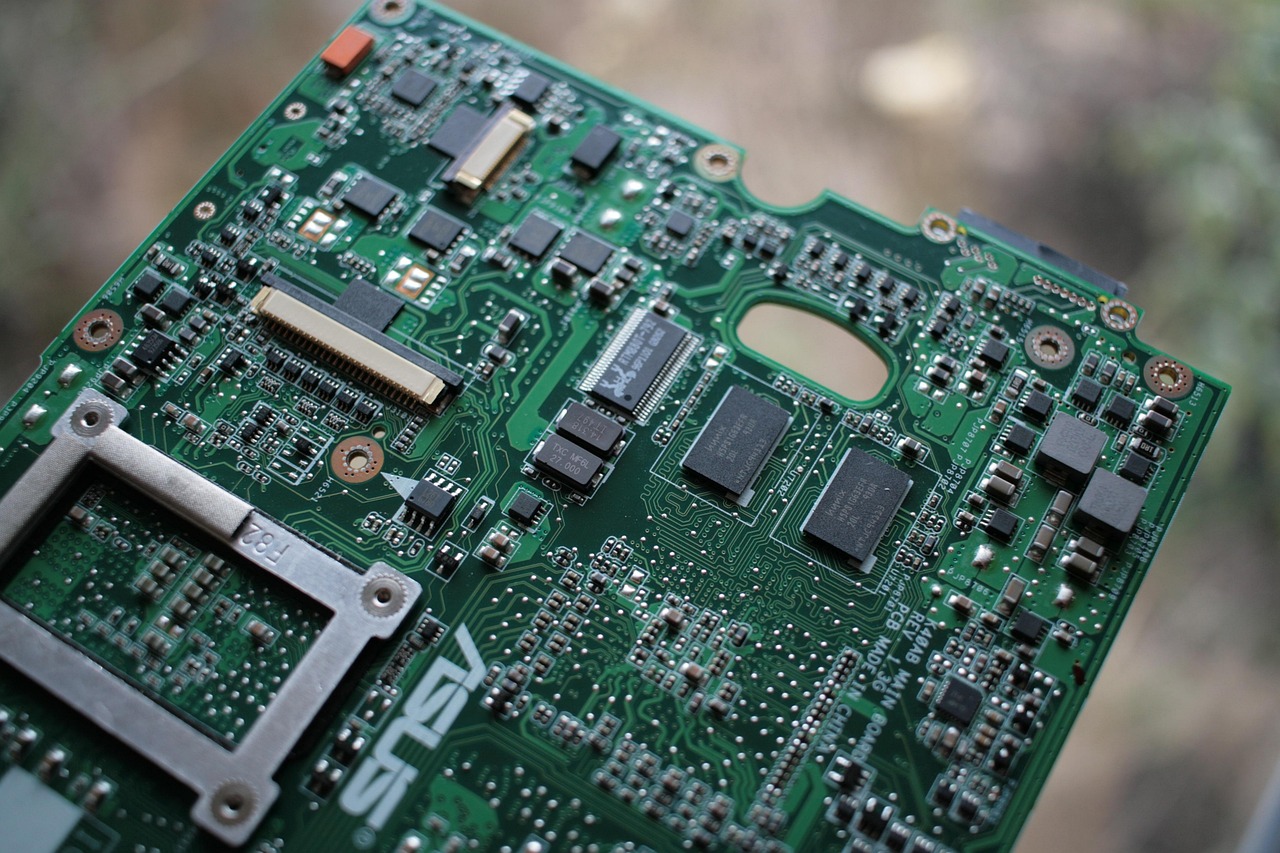
The pinch is already visible in the components Apple buys, Cook told BBC News.
“There’s less supply at a time when consumers want devices and the memory guys are passing along huge price increases.”
Tim Cook, BBC News
He separately told Reuters that “price increases are unavoidable”. Large electronics companies seldom talk so directly about passing input inflation to buyers unless cost assumptions inside the business have already moved.
Timing and product scope are still missing. Apple sells phones, Macs, tablets and wearables, and each line gives the company a different lever: higher sticker prices, changed storage tiers or a shift in product mix. A selective rise on premium models would read as margin defence. A broader move would signal that the chip-cost shock has reached more of the portfolio. Either route would be a harder version of the quieter pricing adjustments tech groups prefer when higher-end configurations can do the work.
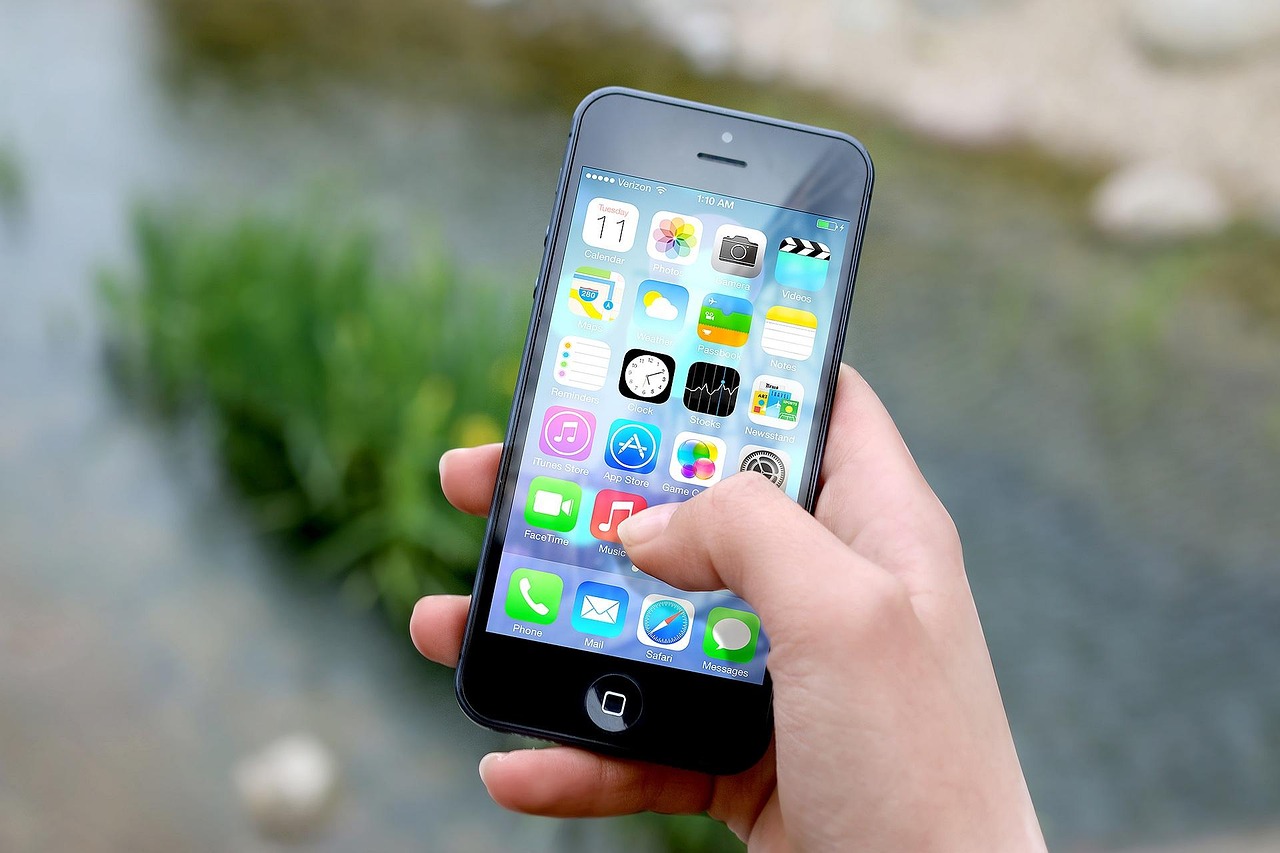
BBC cited Omdia smartphone market analyst Chiew Le Xuan as saying global smartphone average selling prices were expected to rise 20 per cent in 2026 to an all-time high. She estimated Apple’s next phone cycle could cost buyers an extra $150 against the iPhone 17 line. Apple, on that view, is not describing a procurement nuisance unique to Cupertino. It is warning about a market already moving higher.
“This is the new pricing reality, not a temporary spike.”
Chiew Le Xuan, BBC News
Demand gives Apple some room to test the reset. BBC said the company sold 17 per cent more devices in the first three months of 2026 than a year earlier, leaving management to judge how much higher-end buyers will tolerate before upgrade demand softens. Strong unit momentum does not remove the cost problem. It does give Apple more confidence than weaker peers would have when choosing between protecting margins and chasing volume.
What the pressure means for margins
MarketWatch framed the episode as evidence that the AI build-out is no longer confined to Nvidia server orders and hyperscaler capital spending. If memory makers can get better pricing from data-centre customers, consumer hardware groups lose bargaining power, particularly ahead of major launch windows. That is the margin transmission story behind Cook’s warning: capacity being bought for AI systems is now showing up in the bill of materials for phones and PCs.
There is already a pricing precedent. Earlier this year Apple raised the starting price of the Mac Mini by $200 after removing the entry-level option, according to BBC. A wider increase across phones, tablets or Macs would go further because it would be a direct pass-through of input inflation rather than a configuration change. Investors will also watch whether the company leans more heavily on storage upgrades, where pricing can move with less headline shock than a flat increase to the sticker price.
For consumers, the issue is simple enough: the AI investment boom could make everyday devices more expensive even for buyers with little interest in data centres or generative software. For investors, the test is whether Apple can lift prices without dulling demand in categories that still anchor its earnings base. If buyers accept the move, the company may preserve margins while suppliers keep passing through higher memory costs. If they resist, the same AI boom that boosted chip earnings will start testing pricing power at the consumer end of the technology chain.
Avery Lin
Markets editor covering US equities, single-name stocks and quarterly earnings. Reports from New York.