CXMT IPO approval sets up China’s biggest listing since 2022
CXMT’s exchange approval puts the chipmaker on course to raise at least 29.5 billion yuan in what could become mainland China’s biggest listing since 2022.
ChangXin Memory Technologies is seeking to raise at least 29.5 billion yuan ($4.3 billion) after the Shanghai Stock Exchange approved its IPO application on Wednesday, a step that Bloomberg reported puts the chipmaker on course for mainland China’s biggest listing since 2022. Bloomberg said the minimum raise would come from selling at least 10 per cent of the company and could top $5 billion if over-allotment options are exercised.
The approval gives public investors a direct route into one of China’s main memory-chip suppliers just as AI servers are driving demand across the sector. It also turns Beijing’s semiconductor push into a capital-markets story, not only a policy one.
Reuters reported in October that CXMT was targeting a valuation of about 300 billion yuan ($42.12 billion) in a Shanghai share sale. The news agency reported on May 18 that a renewed prospectus projected first-half revenue of 110 billion yuan to 120 billion yuan as memory-chip demand surged.
On those numbers, a 29.5 billion yuan raise from a 10 per cent sale implies a valuation floor of roughly 295 billion yuan. That is close to the level Reuters cited months ago and suggests CXMT is trying to price the deal alongside a stronger memory cycle, not as a discounted policy listing.
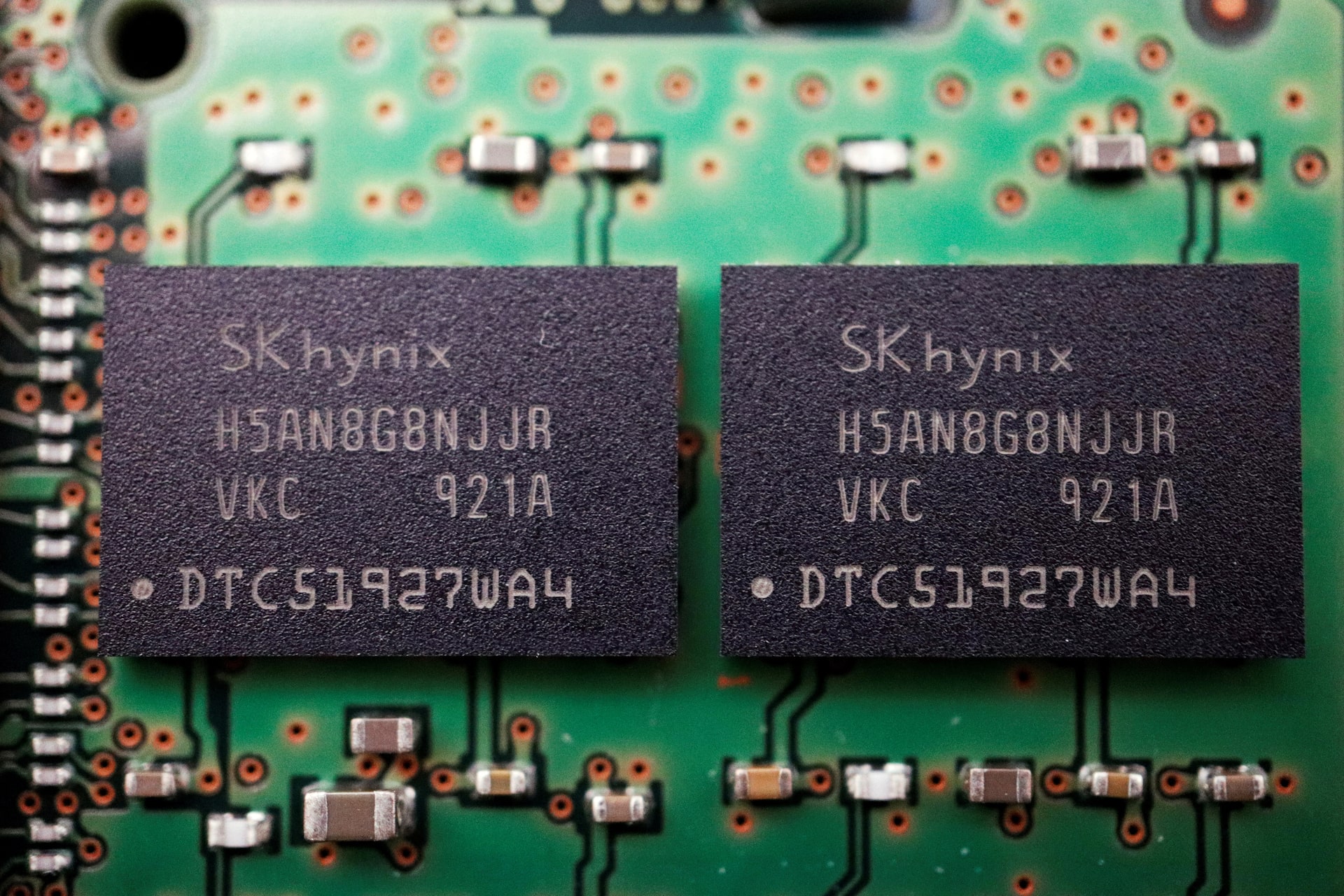
The timing also lines up with a wider rally in memory names. CNBC reported that SK Hynix’s market value topped $1 trillion after an 11 per cent jump on Wednesday, while Bloomberg quoted Micron chief executive Sanjay Mehrotra as saying the memory shortage could last beyond 2026. CXMT is smaller and still private, but the same AI-driven shortage that is lifting global peers could help Beijing’s biggest chip float in years find demand.
The technology gap
The company is still trying to close the gap in advanced memory. Reuters has reported that CXMT was founded with government backing as part of China’s push into domestic DRAM, while high-bandwidth memory has become a key product for AI servers.
In Reuters’ earlier reporting, TechInsights analyst Choe Jeongdong said even a successful float would still leave CXMT behind SK Hynix in advanced memory.
“If it succeeds in the fourth quarter of 2026, they will use the G4 (16nm) generation for HBM3, which is still four years behind SK Hynix”
— Choe Jeongdong, senior analyst, TechInsights
That gap is one reason the IPO reads as a financing step as much as a milestone. Proceeds can support process upgrades, product work and customer qualification rather than simply reward an established leader.
What investors are buying
Reuters has said domestic demand for the offering is likely to reflect support for China’s self-sufficiency drive as well as interest in the company’s growth. Semafor wrote this week that the rise of Chinese memory suppliers is creating a dilemma for US technology companies that still need chips but face tighter geopolitical limits.
The next tests are final terms, bookbuilding demand and whether exchange approval leads to a fourth-quarter 2026 listing. If it does, CXMT would give mainland China a rare semiconductor deal at national scale and offer a fresh reading on how far the AI buildout can carry valuations for companies still catching up technologically.
Naomi Voss
Banks and deals reporter covering bank earnings, fintech, M&A and IPOs. Reports from New York.