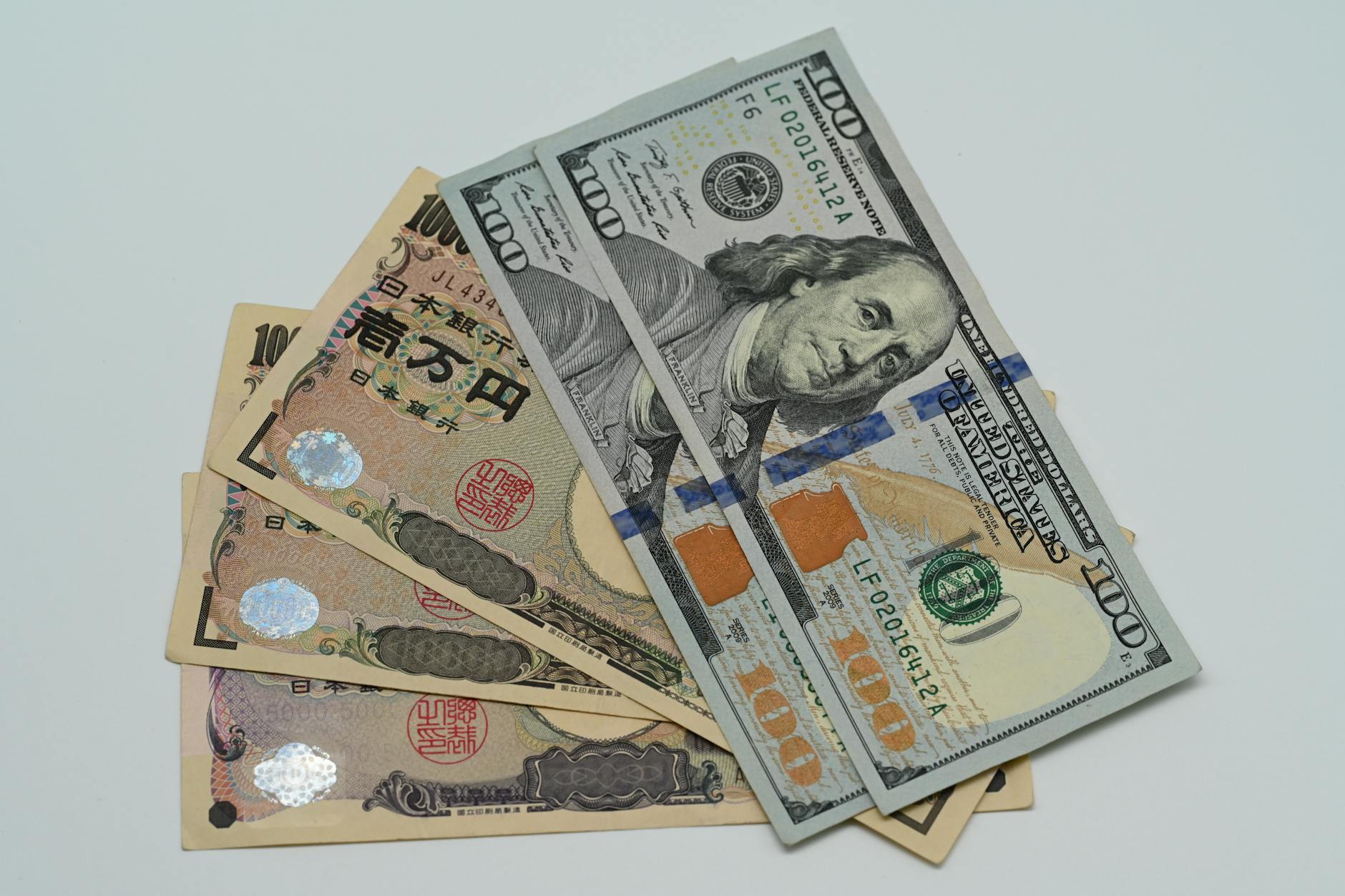
Yen undervalued by 20% puts Japan intervention back in play
Yen undervalued by 20 per cent is how former FX chief Tatsuo Yamasaki reads Japan's currency slide, sharpening the risk of surprise intervention.
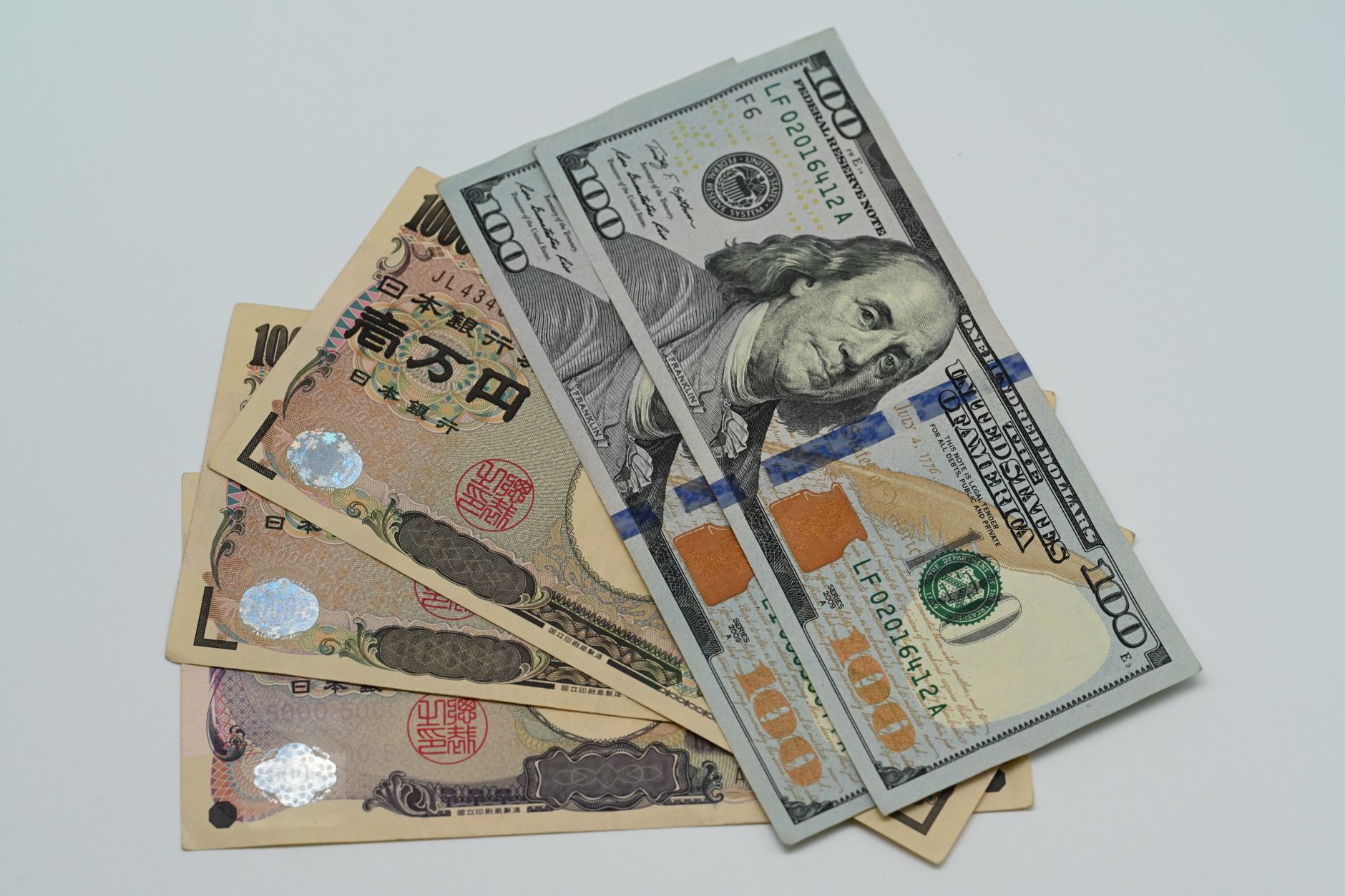
The yen may be about 20 per cent undervalued against the dollar, Tatsuo Yamasaki, Japan’s former vice finance minister for international affairs, said, putting a fair-value marker near 130 per dollar against a market still built around weak-yen assumptions. Spot USD/JPY was at 162.2640 on Monday, according to market data cited in the research bundle, more than 32 yen away from the level Yamasaki described as justified by fundamentals.
Yamasaki’s old job gives the comment its force. He was part of the currency-policy machinery, rather than a strategist adjusting a year-end target. With USD/JPY having touched 162.8360 this year, his argument is that the market has moved outside a defensible valuation range.
In a Bloomberg interview, Yamasaki tied the move to positioning as much as economics.
This isn’t about fundamentals anymore — it’s about how people’s expectations have shifted.
Tatsuo Yamasaki, Bloomberg Economics
That is an uncomfortable line for a trade that has looked one-way for much of the past year. Expectations can hold a trend together for longer than valuation models suggest. They can also turn fast.
The 130 level is better read as a yardstick than a forecast. It gives traders a way to measure the distance between spot and what a former top official regards as equilibrium. The policy question then becomes whether the gap is wide enough to make intervention more likely.
The rate backdrop still explains much of the pressure. Wide US-Japan differentials have encouraged investors to fund in yen and buy higher-yielding assets elsewhere, giving each dollar advance a self-reinforcing feel. Yamasaki’s narrower claim is that the gap between spot and fair value has become too large to wave away with carry-trade logic alone.
Intervention risk stays live
Tokyo has kept the policy threat in view. Finance Minister Satsuki Katayama said last week that Japan remained ready to respond to excessive foreign-exchange moves and was in close touch with US authorities, Reuters reported, even after the currency slid through 162 per dollar to a 40-year low. Officials have tried to keep the trigger ambiguous, stressing rapid and speculative moves rather than one published exchange-rate line.
Reuters also reported that officials have shifted toward more targeted, “ambush” intervention tactics against yen short sellers instead of warning the market well in advance. That change raises the cost of treating USD/JPY as a simple carry trade. A crowded market betting on slow Bank of Japan normalization and continued dollar support could still be hurt by a limited surprise operation.
For traders, the difference is practical. Routine jawboning is easy to fade. A finance ministry trying to catch the market leaning the wrong way is harder to price, and a small operation can move sentiment more than the actual amount of yen deployed.
Yamasaki’s valuation call gives officials a public argument that the market has overshot. It also gives macro funds a number they cannot dismiss as casual rhetoric. A currency in the low 160s looks different when a former currency czar says fair value is closer to 130 than to 160.
The research bundle shows no sign that Tokyo is preparing an immediate, large-scale intervention. Nor does one interview erase the forces weighing on the yen, including wide rate differentials and the Bank of Japan’s cautious policy path. It does change the near-term risk profile. When policymakers keep the threat of action live and a former insider says the market is roughly 20 per cent out of line, the weak-yen consensus starts to look more crowded.
Japan’s finance ministry has long argued that volatility matters more than a precise line in the sand. Above 160, that distinction is harder for the market to keep neat. A former intervention chief sketching a level around 130 gives the debate a sharper edge.
Yamasaki told Bloomberg that the market may be reaching “a climax”. The question for traders is whether another push beyond 162 can still be treated as a free ride when valuation and intervention rhetoric are both turning less forgiving.
Helena Brandt
Macro reporter covering the Federal Reserve, ECB, inflation prints and jobs data. Reports from Washington.