Yen carry trade risk rises as Stephen Jen sees rebound
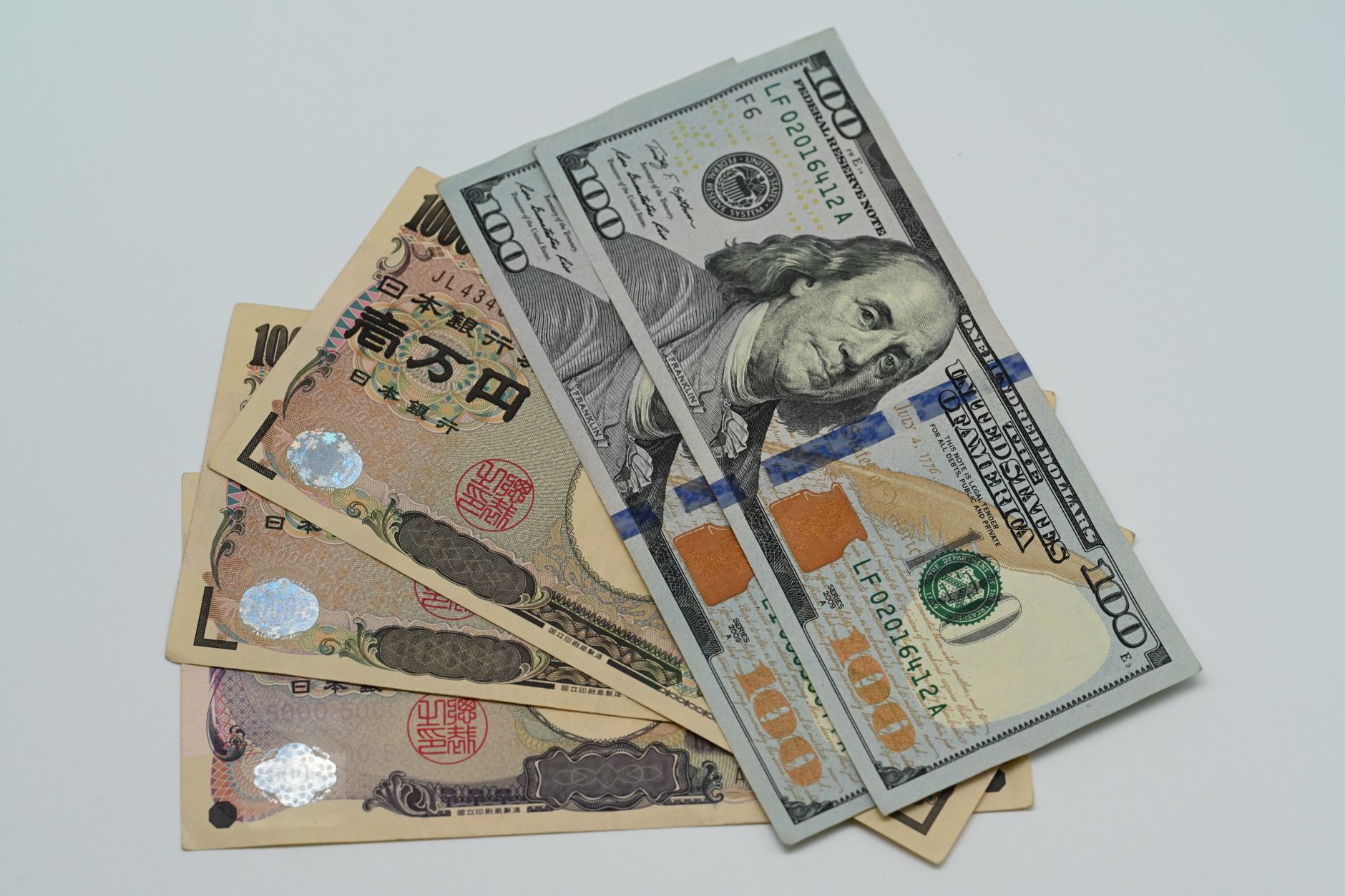
Yen carry trade risk is rising as Stephen Jen, BofA and Japan's ¥11.73 trillion intervention point toward a stronger currency.
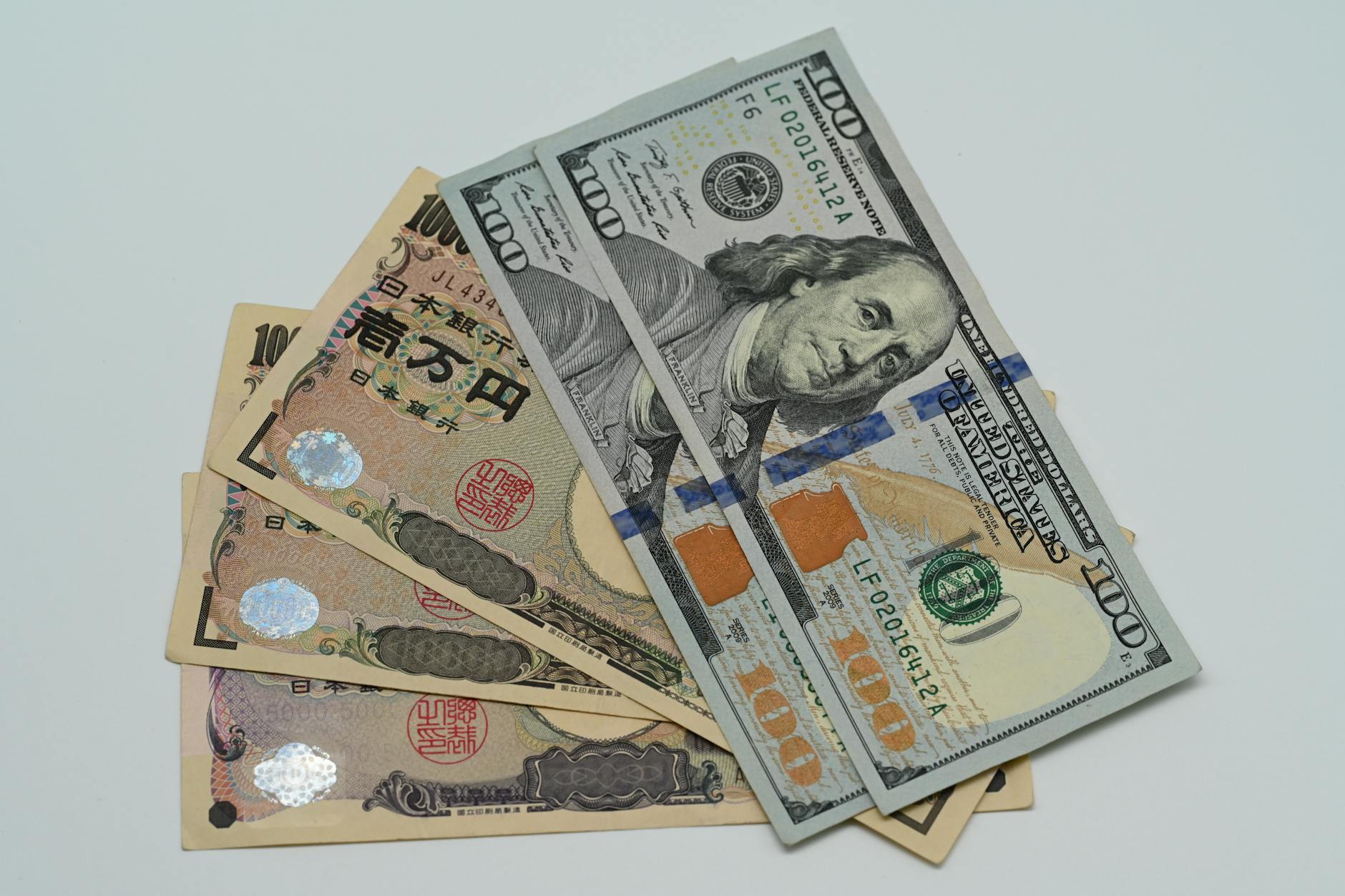
Stephen Jen’s stronger-yen call lands with dollar-yen already at 159.33 in New York afternoon trading, close enough to 160 to turn a routine foreign-exchange view into a test of global carry books.
For Jen, the Eurizon SLJ Capital strategist who has long argued that dollar weakness could reshape capital flows, the warning is sharper than a plain yen forecast. A rebound would run into a market structure built on the opposite assumption: borrow cheaply in yen, buy higher-yielding currencies and assets elsewhere, and trust low volatility to keep the funding leg quiet. Stephen Jen and Joana Freire put it more bluntly in their note.
“Carry trades look stable until they are not,” they wrote.
Stephen Jen and Joana Freire, Eurizon SLJ Capital
Tokyo is only part of the story. Reuters reported this month that rate-based G10 carry bets had made a comeback, lifted by wide interest-rate gaps and a market backdrop that rewarded selling low-yielding currencies. The trade works best when the funding currency drifts lower or stays pinned. A yen that rises quickly changes both the arithmetic and the psychology.
The trade is crowded
One bullish strategist does not break a carry trade. The trouble starts when enough investors share the same cheap funding leg, the same volatility assumptions and the same stop levels, so a currency reversal turns into a forced-positioning event.
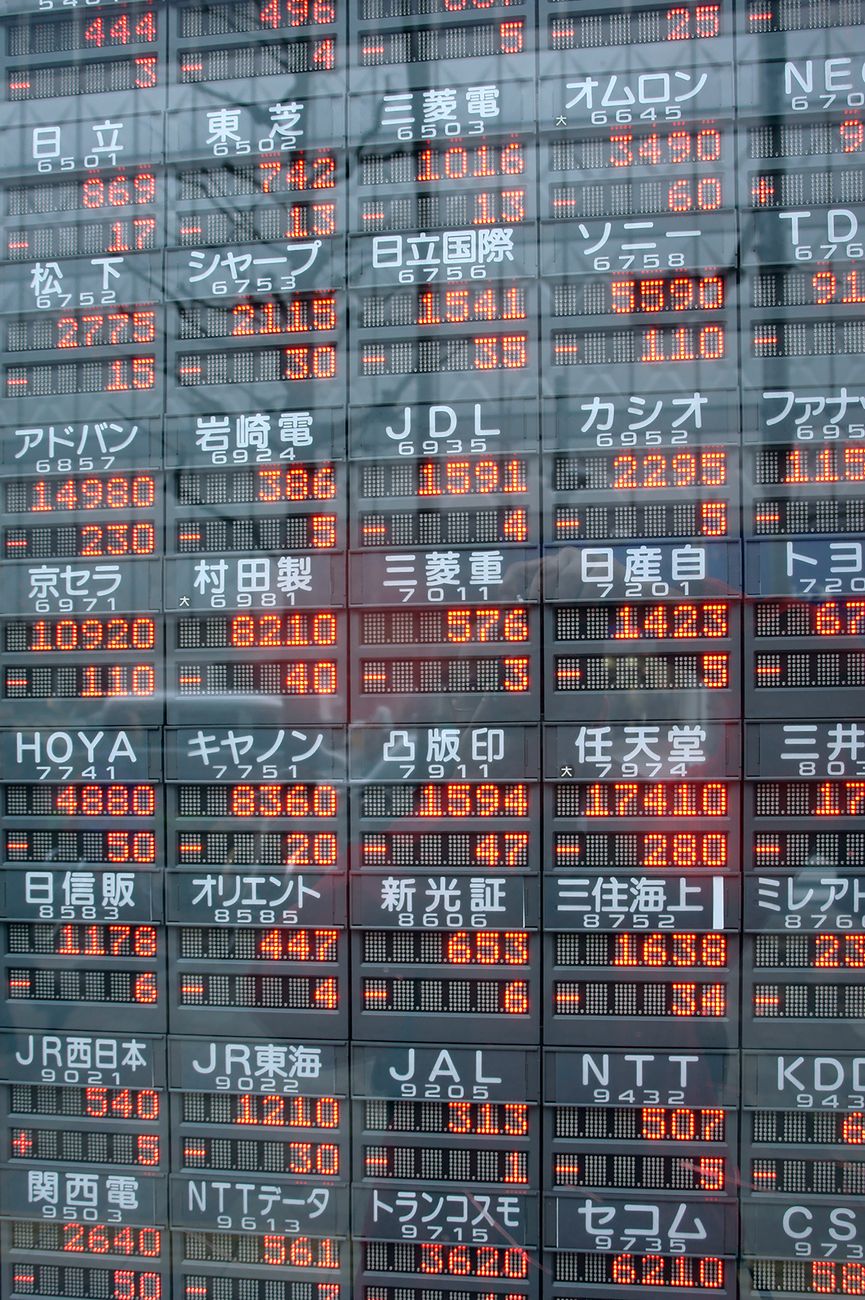
Relative returns sit at the centre of Jen’s argument. Japan no longer looks like a one-way funding market if growth improves, benchmark rates rise and domestic policies keep capital closer to home. Yen strength would not require a crisis in Tokyo. For funds using the currency as financing, that is the uncomfortable part: the first leg of the trade can move against them while the assets bought with borrowed yen also reprice.
Markets have already shown how quickly they react when officials are suspected of stepping in. The yen jumped briefly in early May, sparking speculation that Japan had acted against speculators. Later Finance Ministry data showed Japan had used ¥11.73 trillion, or $73.6 billion, to support the yen over the past month, the first confirmed intervention since 2024.
Size is not the only point. A carry book can tolerate a verbal warning. It has a harder time ignoring intervention, higher Japanese yields and a currency level that keeps attracting official attention.
Why 160 has become the line
At 160 per dollar, policy, positioning and public signalling start to feed on one another. Traders begin to price the possibility that Japan’s Finance Ministry will not allow weakness to run unchecked. The Bank of Japan does not need to promise a large tightening cycle for the carry calculation to change. It only needs to make the cost of shorting yen less predictable.

BofA’s Shusuke Yamada framed the bullish-yen case as a three-part setup: better currency flows, a narrower gap between bank loans and deposits, and higher real rates. BofA’s end-2026 forecast puts dollar-yen at 152, with 10-year Japanese government bond yields near 3 per cent as one threshold for a more constructive view.
“improving JPY flow dynamics, a narrowing bank loan-deposit gap, and rising real rates,” Yamada said.
Shusuke Yamada, BofA Securities
Yamada is making a different argument from a simple intervention call. The yen could strengthen because its domestic support is improving, not only because officials dislike the exchange rate. For carry traders, that distinction matters. Intervention can produce a short, sharp squeeze that fades if rate differentials remain wide. A persistent shift in flows and real yields changes the funding appeal of the yen itself.
Between those two stories sits the bond market. CNBC reported that Japanese bond yields are the highest in 40 years, with the budget outlook and Prime Minister Sanae Takaichi’s comments sending a red flag to bond markets. Higher yields can support the yen by making domestic assets more attractive. They can also make policy harder, since sharp moves in JGBs raise financing questions for the world’s most indebted major economy.
Viewed that way, the 160 area is more than a round number. FX traders, rates traders and officials are all watching one another there.
The oil delay
Energy prices complicate the timing. Japan is a large energy importer, so higher oil prices usually worsen the terms of trade and weigh on the currency. Jen and Freire’s view is that the oil move may have postponed, rather than erased, the yen correction.
“The oil shock may have delayed the probable correction in USD/JPY,” they wrote.
Stephen Jen and Joana Freire, Eurizon SLJ Capital
That hedge matters. A stronger yen is not automatic if crude prices rise, the dollar regains broad support or the BOJ signals caution. Carry trades can last longer than the fundamental case implies when realised volatility stays low and investors are paid to wait.
Oil cuts both ways, though. If crude stops rising, one of the clearest arguments against yen strength weakens. Traders would then look harder at domestic rates, Japan’s current-account position and the willingness of officials to keep leaning against disorderly currency moves.
The cross-asset read
For global macro funds, the most exposed positions are those that treated yen weakness as background noise rather than an active risk. Selling yen to own dollars, pesos, reais or other higher-yielding assets can still earn carry. The loss profile changes when the funding currency can rise several yen in a short window and force a reduction in leverage.
Stress would not stay in currency books. A rising yen can tighten financial conditions by forcing investors to cut profitable positions elsewhere, especially when those positions were financed with borrowed yen. Equities, emerging-market debt and commodity-linked currencies do not need Japan-specific news to feel the shock. They only need the funding leg to move quickly enough that risk managers ask for less exposure.
Jen’s call is therefore a volatility argument as much as a currency forecast. A slow move from 159 toward BofA’s 152 target would squeeze returns but leave funds time to adjust. A disorderly move, especially after another official warning or suspected intervention, would be a different event. The trade would become less about rate carry and more about balance-sheet control.
A practical question follows for investors: which positions depend on a weak yen but are not labelled as yen trades? The answer may include high-yielding currencies, long equity baskets and relative-value trades that assume foreign-exchange volatility remains contained. Those positions can all be right on their own fundamentals and still get cut if yen funding turns unstable.
What would break the trade
The cleanest answer is a sequence, not one trigger. Dollar-yen first fails to hold above the high-150s despite strong US yields. Japanese officials then keep intervention risk live near 160. JGB yields continue to climb enough that investors begin to question the assumption that yen funding remains cheap in real terms.
Any one of those can create a pullback. Together, they would point to a broader repricing.
A strong counterargument remains. Japan has spent decades fighting low inflation and weak domestic demand. The BOJ cannot tighten too quickly without risking damage to households, banks and government financing. If US rates stay higher for longer and oil remains elevated, the yen may struggle to turn Jen’s thesis into a sustained rally.
For now, this is a positioning story rather than a clean macro forecast. Jen is flagging a market that has grown comfortable with one direction. BofA is identifying the flow and yield conditions that could change it. Japan’s Finance Ministry has shown the official tolerance for weakness is not unlimited.
The carry trade can keep paying. It just no longer looks free.
Sloane Carrington
Markets columnist. Analytical pieces and deep-dives on monetary policy, capital flows and corporate strategy. Reports from New York.