
Yen 40-year low keeps Japan intervention risk in focus
Yen 40-year low levels near 162.41 per dollar have pushed Japan intervention risk back to the centre of FX markets as the Fed-BoJ gap stays wide.
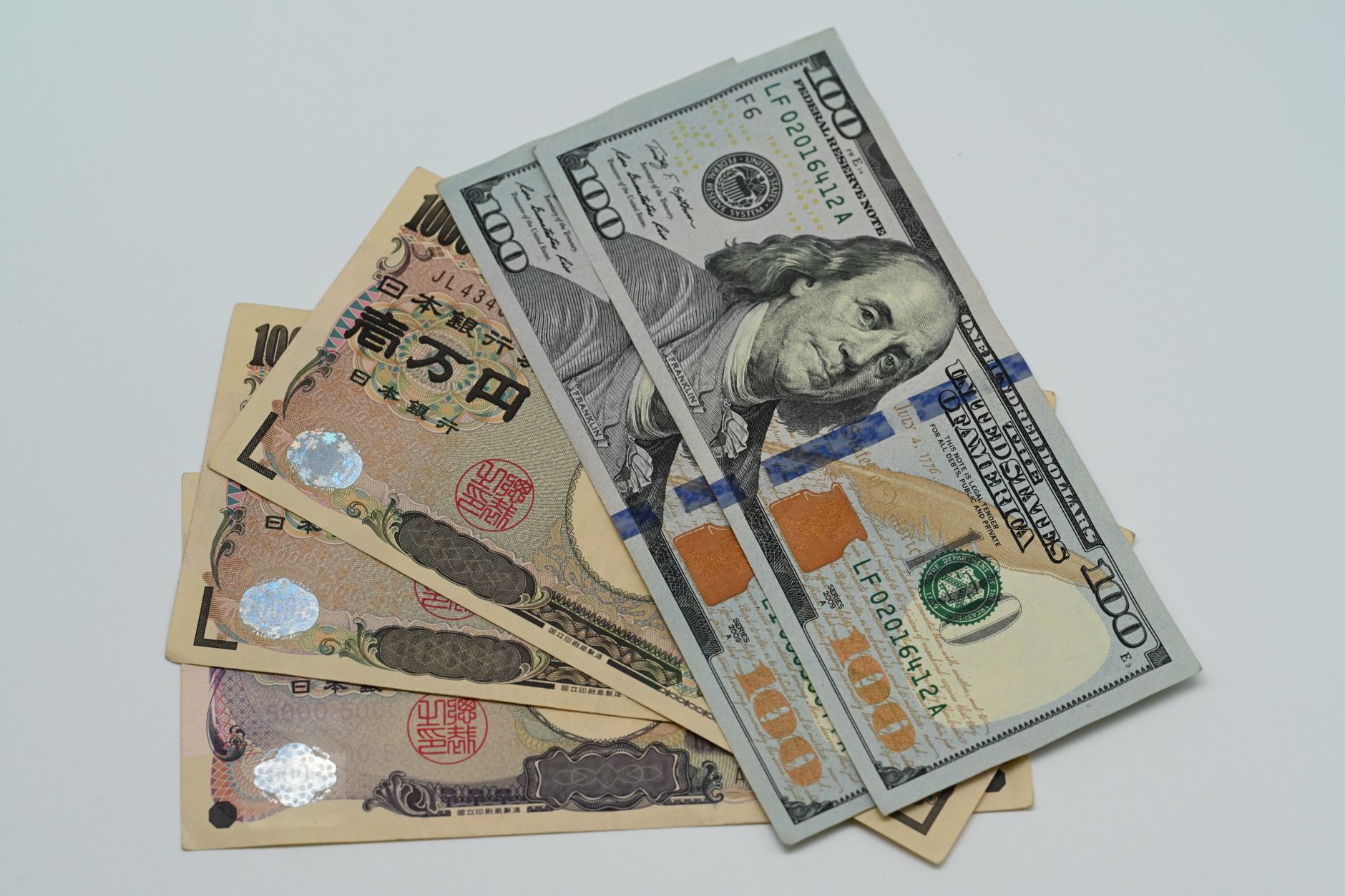
The yen slid to 162.41 per dollar on Tuesday, its weakest level since 1986, after traders pushed Japan’s currency through another sensitive line. The drop kept intervention risk in view and extended a slide fed by the gap between US and Japanese interest rates.
A four-decade low is not just a foreign-exchange milestone. It raises import costs for Japanese households and companies, complicates the Bank of Japan’s cautious exit from ultra-loose policy and forces global funds to reassess dollar-yen carry trades. Traders already know officials dislike the exchange rate. They are testing whether warnings still matter when no cash is entering the market.
Tokyo did not harden its public line after the fall. Japan’s latest official comments stressed resilience and readiness, not a fixed currency level, while dealers watched for possible action during Asian trading. Finance minister Satsuki Katayama said authorities were prepared to respond if swings became disorderly.
“It all comes down to being ready to respond appropriately to currency moves at any time.”
Satsuki Katayama, Japan finance minister
That wording gives Tokyo room to act without defending one public number. Once a level becomes official doctrine, markets tend to test it. May is still fresh in the trade: Japan disclosed intervention worth 11.7 trillion yen, or $72.17 billion, earlier in the year, proof that officials can spend heavily when volatility and political pressure meet.
Why the market keeps testing Tokyo
Rate differentials are still doing the work. The Federal Reserve has kept US yields high enough to preserve the dollar’s carry advantage, while the Bank of Japan has moved more cautiously even after ending negative rates. That leaves the yen exposed whenever Treasury yields firm or risk appetite steadies. Scramnews has already tracked the currency near 161; the break to a fresh 40-year low suggests verbal warnings are losing force against speculative pressure.
Some investors doubt a yen-buying operation would become a broader market shock. Julia Wang of Nomura said the threshold matters less than the nature of the move, matching Tokyo’s emphasis on volatility rather than a formal red line.
“Intervention shouldn’t be dependent on a certain level. It depends on the nature of the currency move.”
Julia Wang, Nomura North Asia chief investment officer
Wang said a new round of official buying probably would not derail risk assets.
“I don’t think it will be a material factor that derails the market.”
Julia Wang, Nomura North Asia chief investment officer
For traders, direct intervention can jolt positioning, squeeze short-yen bets and reset momentum for a while. It cannot erase the yield logic drawing money into dollars. Unless US rates fall more sharply, or the Bank of Japan points to a steeper tightening path, any official defence of the yen may look more like a pause than a reversal.
Dollar-yen is now a test of Tokyo’s tolerance. If it holds above 162 and volatility quickens, officials’ patience will be judged minute by minute. If the pair steadies, warnings may remain the preferred tool. Either way, a familiar currency drift has turned into a live policy risk for Japan and a fresh watchpoint for global macro desks.
Helena Brandt
Macro reporter covering the Federal Reserve, ECB, inflation prints and jobs data. Reports from Washington.