Foreign selling in JGBs tests Japan's higher-rate reset
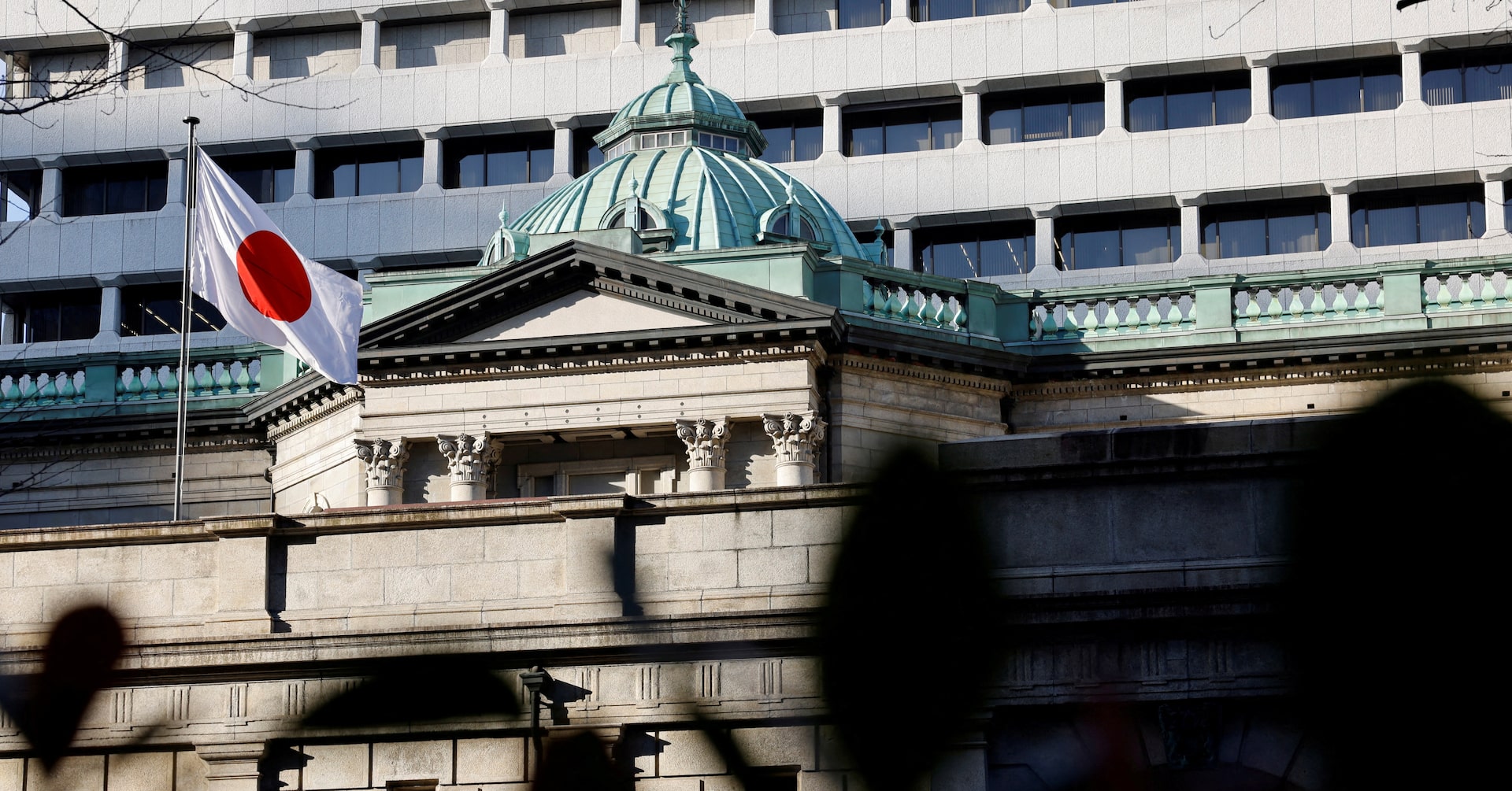
Japan bond selling hit a three-year high in June, showing BOJ rate rises may unsettle foreign buyers before they draw capital home.
Foreign investors sold the largest amount of Japanese bonds in three years in June, according to Ministry of Finance data, and the move landed badly for Tokyo desks that had expected the Bank of Japan’s exit from ultra-loose policy to make local debt look more normal rather than more fragile. A market built for decades around anchored yields is now asking overseas buyers to absorb price risk again.
Bloomberg’s reporting on the June flows made the immediate point: Japanese government bonds trailed most global peers after a weak run into month-end. The broader read is tougher. Japan’s rate normalization was supposed to restore market signals and, in time, coax domestic capital home. It is doing that. It is also exposing how little cushion remains for foreign accounts that used Tokyo as a stable funding market instead of as a high-conviction duration trade.
Rates strategists read the same tape through arithmetic. The BOJ’s June move to a 1 per cent policy rate ended an era and put short-end money back in motion. The gap with US yields remains wide, and hedged Japanese duration still looks thin for many overseas buyers. With the yen still under pressure and hedging costs high, a more normal Japan can still feel like a poor carry trade.
Market participants inside the JGB complex have a narrower question. They want to know whether June was a messy month around one weak auction or the start of a broader reduction in foreign risk appetite. Bloomberg’s separate report on the 10-year sale showed a bid-to-cover ratio of 3.13, the weakest since April, a number that matters because benchmark duration is where confidence shows up first. When the auction softens at the same time as foreign flow data turns sharply negative, the signal is harder to dismiss as noise.
Chris Turner, ING’s global head of markets research, put the currency side of that tension bluntly.
“The Japanese probably realise that FX intervention at the moment is an exercise in futility.”
— Chris Turner, Financial Times
A bond market does not reprice in isolation. Japan’s rate reset is happening under currency pressure, not apart from it. A central bank can welcome firmer yields as proof that inflation has returned. It faces a more complicated problem when those same yields coexist with a weak yen and patchy demand for long-dated paper.
When normalisation meets duration
June’s auction hiccup mattered because it suggested the pressure is not confined to offshore fast money. Tokyo inflation picked up for the first time in eight months in late June keeping the BOJ on course for further tightening, while Bloomberg Economics described the new 1 per cent policy rate as Japan’s first step into a higher-rate era not seen since 1995. For investors, that combination changes the shape of the curve. JGBs are no longer insulated by an institution willing to suppress volatility at almost any cost. They are being priced, again, as securities that can lose value if inflation runs ahead of policy.
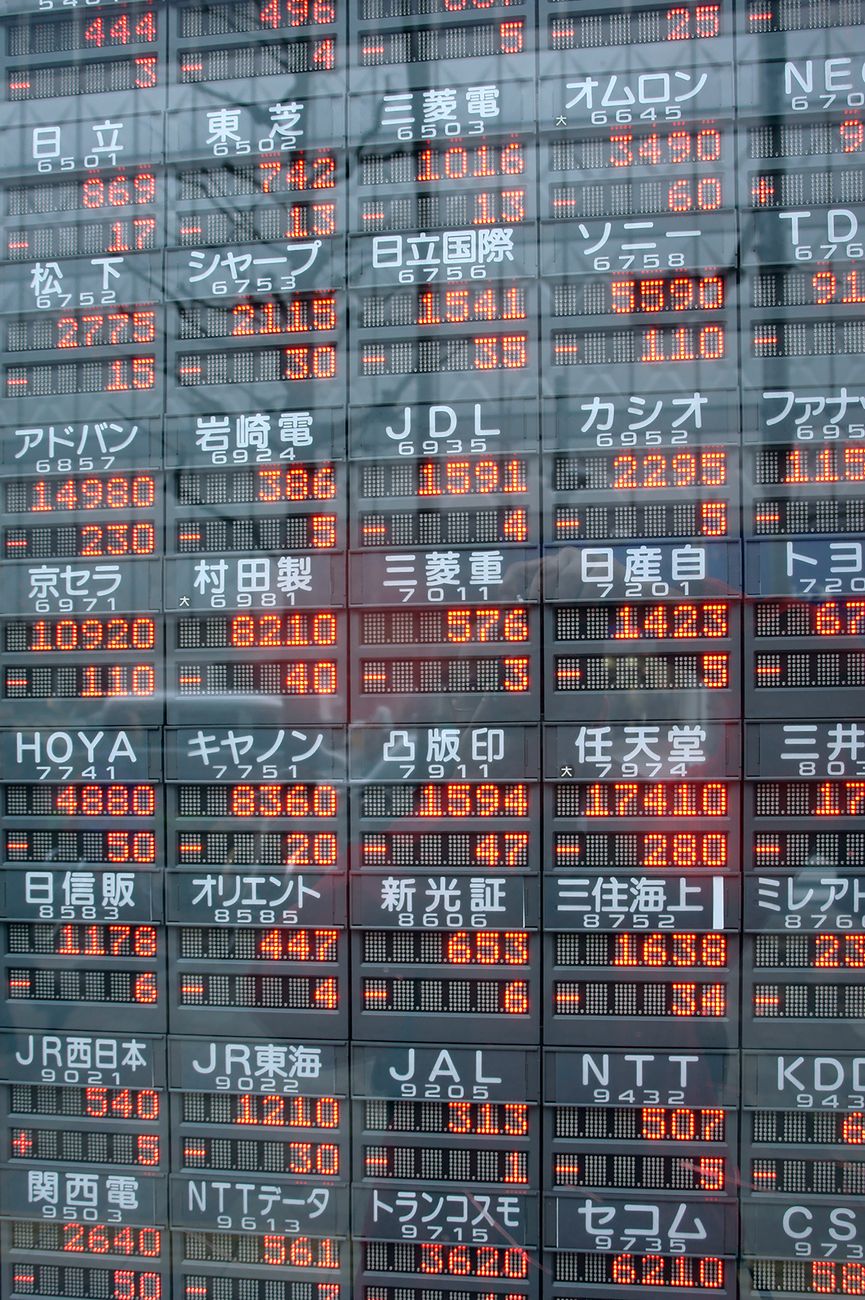
Policymakers have their own reading of the same move. Reuters reported in early June that the BOJ was set to raise rates, and another Reuters report days later said officials were considering whether to pause or slow the bond-buying taper. Viewed from the BOJ, the issue is narrower. The bank wants a healthier market and a less distorted yield curve. It also has to judge how much tightening the market can absorb before auction demand starts to require an implicit backstop again.
The homecoming thesis also looks messier in practice than it does in policy speeches. Rising Japanese yields should, over time, make it easier for domestic insurers and pensions to keep more money at home. The same Bloomberg flow story shows the transition can still scare off overseas buyers faster than it attracts new sponsorship. Domestic capital tends to move slowly. Foreign accounts can step back in a single month once auction tails widen and currency volatility stays elevated.
What has changed is not only the level of rates. The old JGB market offered meagre returns in exchange for stability. The new one asks investors to trust that Japan can generate enough inflation, wage growth and policy credibility to justify more volatility. Those are different propositions. The first suited reserve managers and relative-value desks. The second demands a more directional view on Japan itself.
Foreign selling therefore deserves more weight than a single monthly data point would normally get. If overseas accounts keep cutting exposure while domestic inflation data runs firmer, the market will be saying that normalization is lifting volatility before it is building conviction. For the BOJ, that would be a warning that policy is working mechanically before it is working politically.
Why Tokyo spills into Treasuries
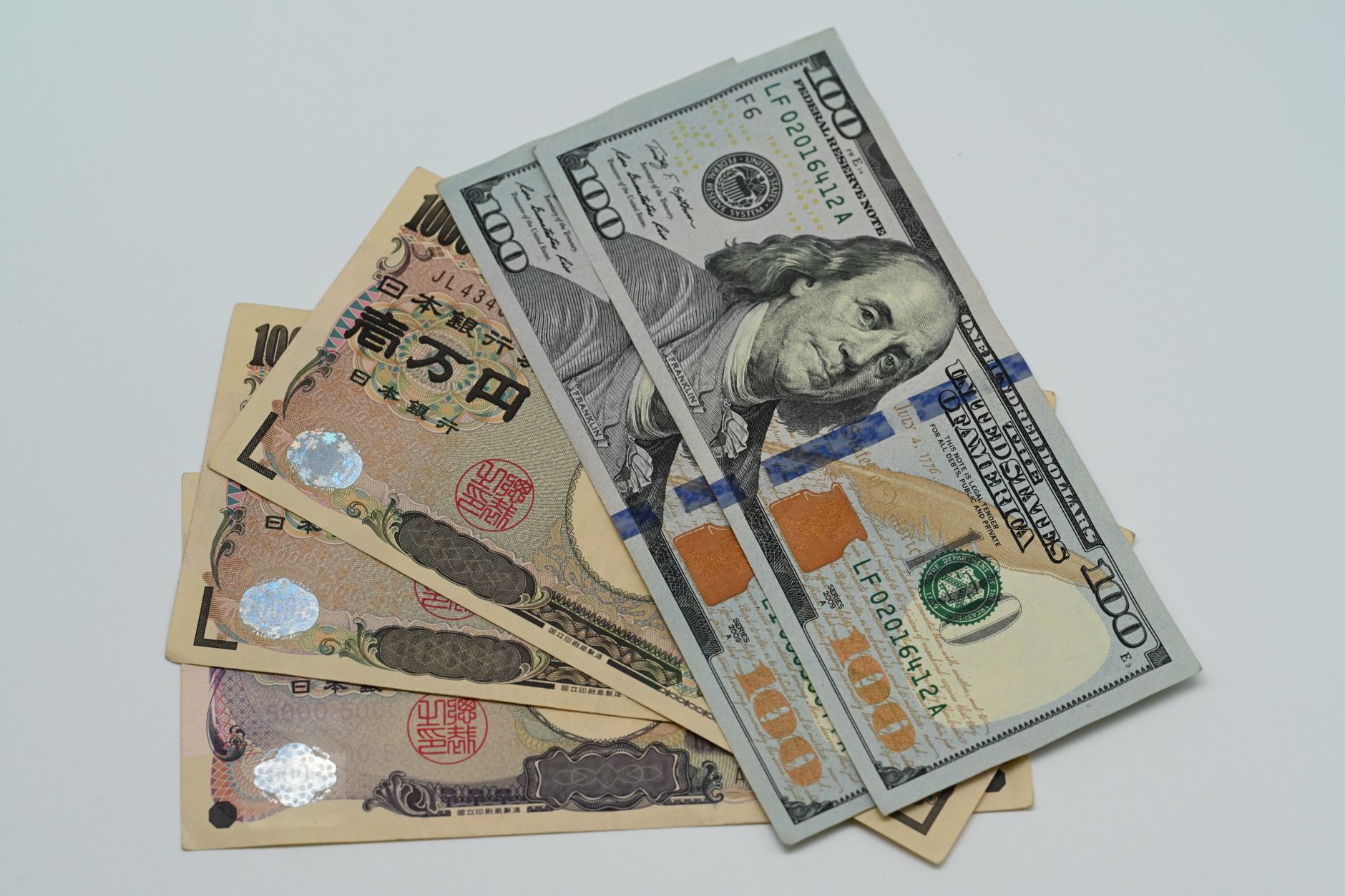
Tokyo matters well beyond Tokyo because Japan still sits at the hinge of global fixed-income allocation. Japanese institutions own large pools of foreign bonds, foreign investors use the yen as a funding currency, and every move in JGB yields forces a fresh calculation about where duration should sit in a global portfolio. When CNBC reported that the yen had fallen to ¥162.83 and that Japan had spent $74 billion supporting it, the point was not only about the currency. A weak yen beside a 1 per cent policy rate tells investors that Japan is still far from closing the gap with the Federal Reserve.

Analysts partly answer their own question from that gap. Hedged returns remain thin while US rates stay high, so higher JGB yields do not automatically pull global money back into Japan. Many funds can choose a wait-and-see stance until the BOJ proves it can tighten without destabilizing the curve. Volatility arrives first and conviction follows later.
Turner made the political risk of that sequence clear in the Financial Times analysis.
“But they don’t want to leave yen losses unchecked in case it triggers a ‘sell Japan’ mindset.”
— Chris Turner, Financial Times
That phrase is likely to keep turning up on bond desks. A sell-Japan mindset does not require panic. It can develop through a series of rational decisions: one weaker auction, one month of foreign selling, one inflation print that keeps the BOJ tightening, one more stretch in which Treasuries still offer better carry after hedging. None of those steps is fatal on its own. Together they shape whether Japan’s higher-rate era is seen as a genuine destination for capital or simply as a more volatile place to avoid.
June’s outflow does not settle that argument. It does sharpen the test. If the next few auctions stabilize and foreign demand returns, the BOJ can say the market is learning to live without emergency-era repression. If demand stays thin, the message will be less comfortable: Japan’s long-awaited normalization has succeeded in waking its bond market up, but not yet in persuading overseas buyers that the new regime pays them to stay.
Helena Brandt
Macro reporter covering the Federal Reserve, ECB, inflation prints and jobs data. Reports from Washington.