
Yen slides past 161 as Tokyo intervention bets return
Yen slides past 161 against the dollar, putting Tokyo back on intervention watch days after the Bank of Japan raised rates to 1 per cent.
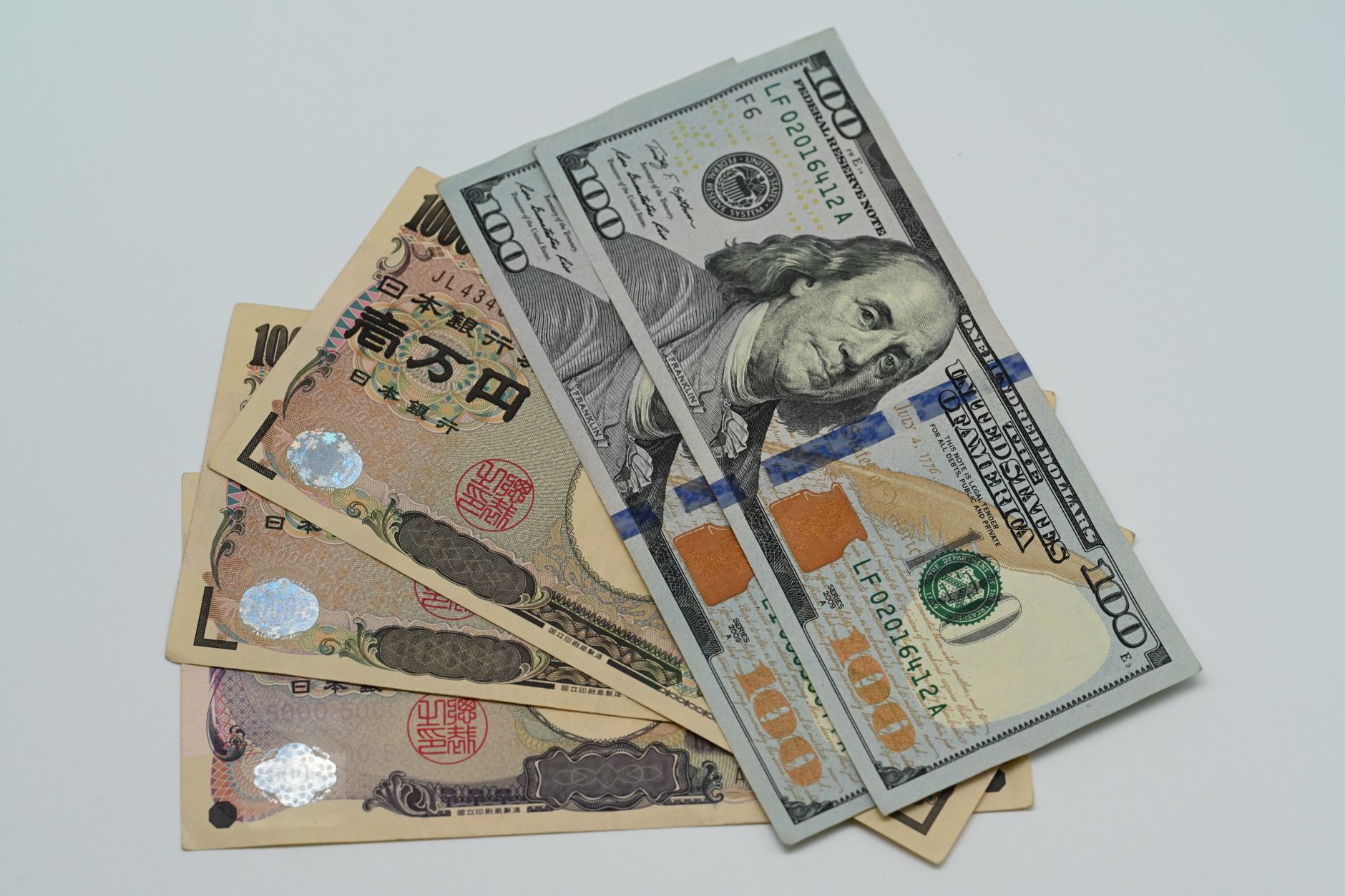
The yen weakened through 161 per dollar on Thursday, touching 161.80 at the session low and trading near 161.39 by 04:15 UTC. That put Tokyo back on intervention watch days after the Bank of Japan lifted its policy rate to 1 per cent from 0.75 per cent, and left traders asking whether the move was large enough to dent short-yen positions while U.S. yields remain high. It also made the rate rise look more like a first step than a currency stabiliser.
The next marker is close. CNBC reported that 161.96 would be the yen’s weakest reading since 1986. For dealers, that gives the market a visible line to trade around as they test how much further Japanese officials will let the currency fall after the BOJ’s June 16 shift to its highest rate setting in 31 years. The proximity leaves little room for benign interpretation if the slide keeps running.
Finance minister Satsuki Katayama kept the official warning language intact. In remarks reported in Japan, she said authorities would move forcefully if they judged the market action excessive.
“When we act, we will act decisively.”
Satsuki Katayama, Japan finance minister
Katayama also said Japan and the U.S. were in close contact on market moves, according to Reuters. That wording usually lands with investors as preparation for possible action, rather than a commitment to defend one exchange-rate level.
Tokyo has reasons to choose its moment carefully. Reuters reported that Japan’s foreign reserves fell 5.6 per cent in May after earlier yen-support operations, showing the cost of repeated currency defence against a wide rate gap. Intervention can interrupt a one-way market and force out short-term speculators. It does not erase the extra return still available on dollar assets over yen cash.
That is the BOJ’s problem. The central bank raised rates and Reuters reported that policymakers signalled more tightening if the economy and prices develop as expected. Still, a 1 per cent policy rate remains low in absolute terms, particularly beside tighter U.S. policy. In CNBC’s analysis, Masahiko Loo, senior fixed income strategist at State Street Investment Management, described intervention as a temporary patch.
“Band-Aid on a bullet wound.”
Masahiko Loo, State Street Investment Management
Why the line matters
The 160 to 162 zone carries tactical weight because previous yen declines around those levels drew official scrutiny. Bloomberg Markets wrote before the latest break that strategists were already watching for yen intervention after a hawkish Federal Reserve turn. Thursday’s move made that call less theoretical. If dollar-yen presses toward 161.96, traders will be asking whether officials see the move as disorderly enough to justify using reserves again so soon.
Japan’s data are not forcing a faster answer from the central bank. CNBC reported that May inflation broadly matched expectations, with headline inflation at 1.5 per cent after 1.4 per cent and a narrower core measure easing. The print keeps a gradual tightening path alive. It does not push the BOJ toward the kind of catch-up cycle that would quickly change the dollar-yen calculation. For currency desks, that means the timing of the next BOJ move may matter less than the gap with U.S. rates.
That leaves Tokyo balancing two costs. A weaker yen helps exporters and lifts nominal growth, while raising import bills and household pressure through energy and food prices. Officials can talk tough because those domestic costs are real. Markets can keep testing them because the rate story still favours the dollar.
Thursday’s break past 161 did more than extend a currency slide. It showed that the BOJ’s latest hike has not yet changed the basic pricing logic in dollar-yen, and it brought intervention risk back to the centre of the trade. If Japan steps in again, the test will be whether official buying does more than jolt the market for a day or two.
Helena Brandt
Macro reporter covering the Federal Reserve, ECB, inflation prints and jobs data. Reports from Washington.