SEC crypto rules put exchanges and broker-dealers on agenda
SEC crypto rules moved onto the agency's 2026 agenda, outlining proposals on exchanges, broker-dealers, custody and startup fundraising.
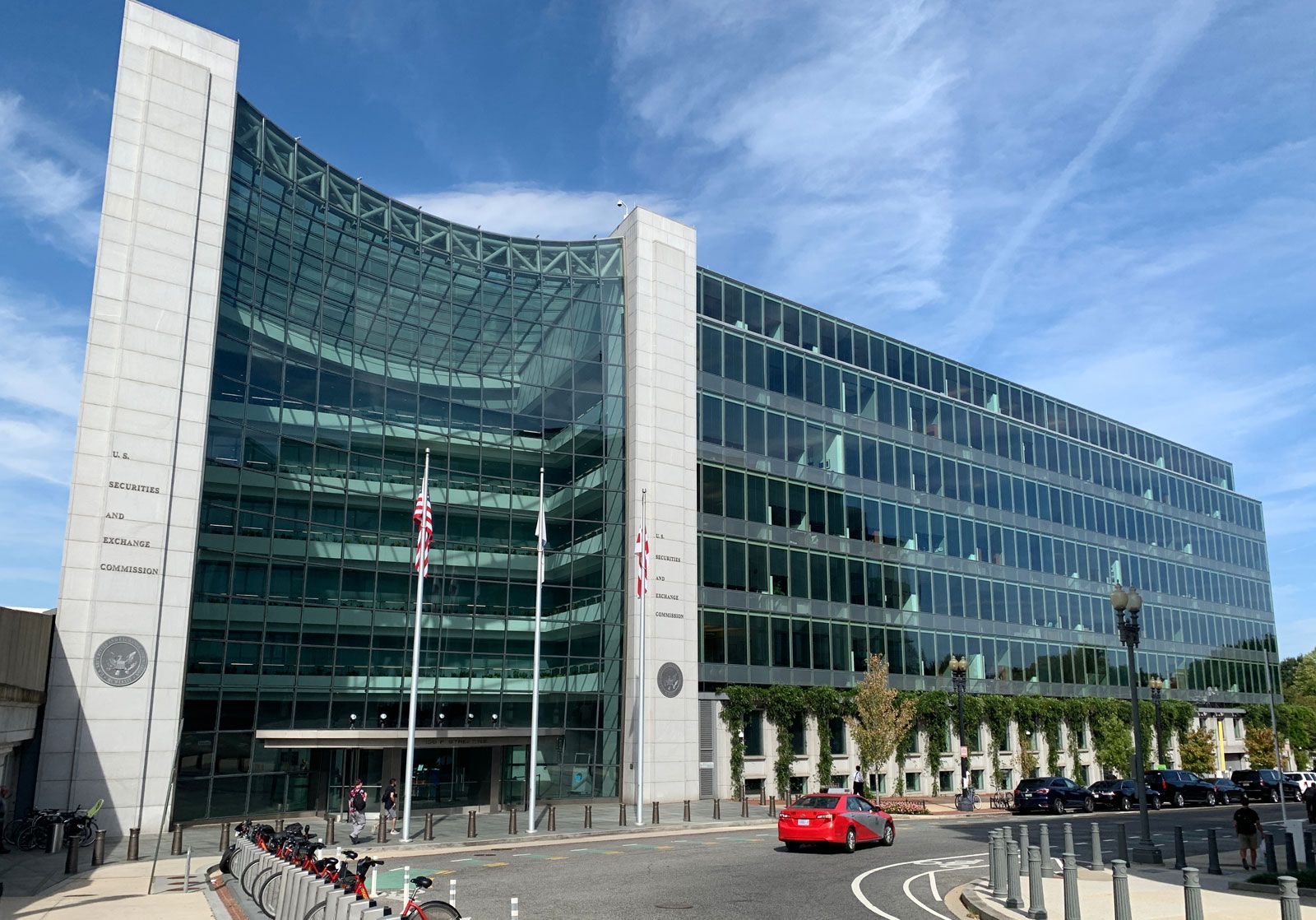
The Securities and Exchange Commission on Monday placed crypto exchange and broker-dealer rule changes on its 2026 agenda, moving the agency’s digital-asset push closer to formal market-structure proposals.
The filing reaches beyond token labels and into trading mechanics. In the RegInfo entry for the rulemaking, the SEC said it wants to propose measures covering capital raising, custody and the trading of tokenized securities onchain. It is still an agenda item, not a final rule. But the docket now has defined subjects and a rule identifier, 3235-AN38.
Chair Paul S. Atkins framed the move as an attempt to pull more crypto activity into U.S. regulatory channels. In a statement on the agency’s 2026 agenda, he said the SEC wants to “bring more products onshore” and set “clear rules of the road” for crypto-asset fundraising, custody and onchain trading.
Earlier fights at the SEC often turned on whether a token belonged inside securities law. This agenda asks a more operational question: what rules should apply to venues, intermediaries and settlement when tokenized securities trade inside a regulated market.
The fundraising proposal has been building for months. In March remarks on a possible crypto safe harbor, Atkins floated an exemption that could run for up to four years, with a $5 million startup cap and a separate $75 million ceiling for broader token offerings. CoinDesk reported this week that one part of the package, aimed at easing fundraising, could be proposed as soon as this month.
What the package could change
For crypto exchanges, the practical question is whether the SEC is moving toward a workable path for venues that want to list tokenized securities without waiting for a later enforcement fight. Broker-dealers face a different set of questions: custody, recordkeeping and how customer assets can be handled when the security itself lives onchain.
Crypto Briefing reported that the agenda breaks out broker-dealer and exchange changes as specific rulemaking targets, rather than treating them as a catch-all crypto review. A rule set for those intermediaries would give larger market participants a clearer starting point for deciding whether tokenized securities fit inside existing compliance systems or need separate operating lines.
The wording is cautious, though the policy direction is less vague than it was a year ago. The RegInfo notice says the SEC is weighing measures to give the market “greater certainty” while supporting capital formation and innovation in crypto-asset markets. That sounds like a regulator trying to write operating rules for a market, rather than only policing its edges.
The calendar still matters as much as the wording. A rule on the agenda can move quickly or get stuck in proposal drafting, public comment and revision. Any final framework would also have to fit around existing securities law, custody requirements and likely legal challenges from firms that reject the SEC’s reading of tokenized assets.
For crypto firms, the second half of 2026 now carries a mixed message. The agency is identifying the exchange, custody and broker-dealer questions the industry has been pressing it to answer, and it is doing so through an official rulemaking channel. Until the proposals are published and tested in comment, however, the market has a signal, not a settlement.
Tomás Iglesias
Financial regulation and legal affairs. SEC, CFTC, FCA, market-structure and enforcement. Reports from Washington.